

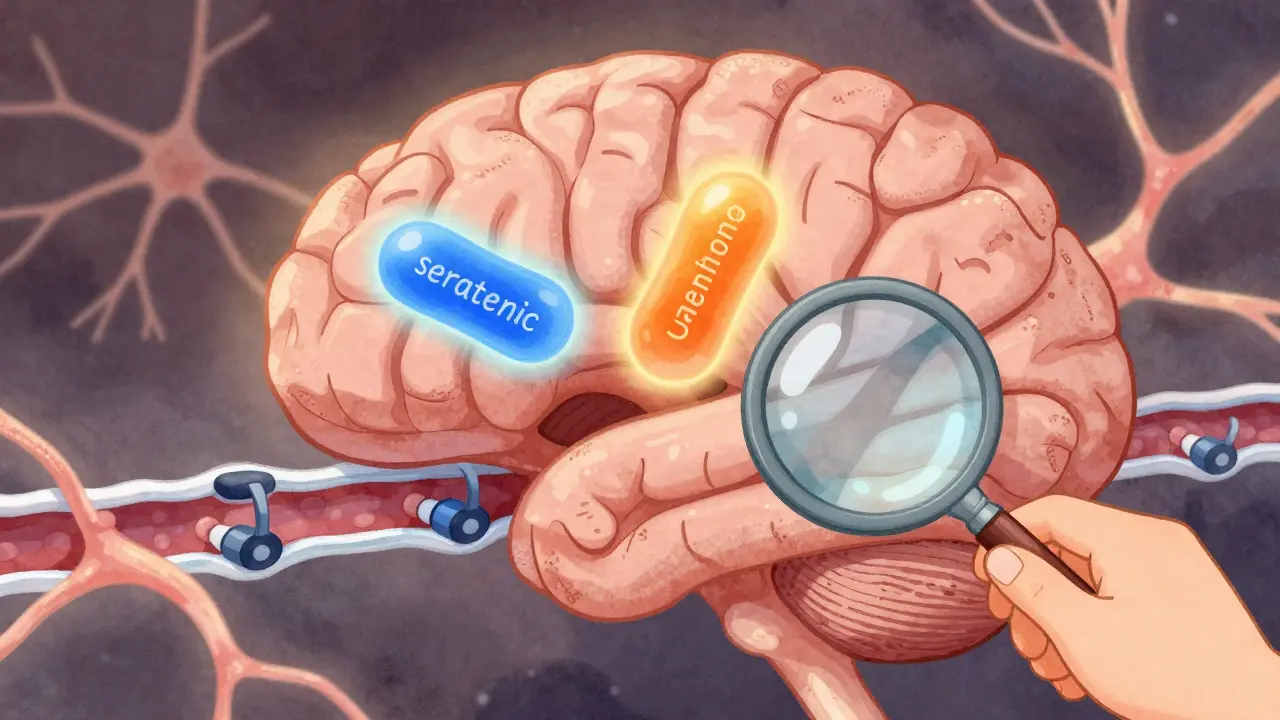

When antidepressants don’t work the first time, many people turn to SNRIs-not because they’re magic, but because they work differently. Unlike SSRIs that only target serotonin, SNRIs boost both serotonin and norepinephrine. That dual action makes them especially useful when depression comes with fatigue, brain fog, or chronic pain. If you’ve tried an SSRI and still feel stuck, SNRIs might be the next step-not the last resort, but a real option backed by years of clinical data.
What SNRIs Actually Do in the Brain
SNRIs stand for Serotonin and Norepinephrine Reuptake Inhibitors. That’s a mouthful, but here’s what it means in plain terms: your brain uses serotonin and norepinephrine to regulate mood, energy, focus, and even pain signals. After these chemicals do their job, they’re usually pulled back into nerve cells. SNRIs block that pull-back, leaving more of them floating around where they’re needed. It’s not about creating new chemicals-it’s about keeping the ones you already have active longer.
That’s why SNRIs like venlafaxine (Effexor XR), duloxetine (Cymbalta), desvenlafaxine (Pristiq), and levomilnacipran (Fetzima) can help with more than just sadness. They’re approved for generalized anxiety disorder, panic disorder, and even nerve pain from diabetes or fibromyalgia. Duloxetine, for example, reduces pain signals in up to 50% of fibromyalgia patients, according to Mayo Clinic’s 2023 review. That’s not a side effect-it’s the main reason it’s prescribed for some people.
How They Compare to SSRIs
SSRIs like sertraline or escitalopram are still the first choice for most doctors because they’re gentler on the body. But they don’t work for everyone. Studies show about 50-60% of people respond to SSRIs. SNRIs? Around 55-65%. That might not sound like a big difference, but for someone who’s tried three other meds and still can’t get out of bed, that 5-10% boost matters.
The real advantage shows up when pain or exhaustion is part of the picture. A 2022 meta-analysis in PMC found SNRIs were significantly better than SSRIs for patients with both depression and chronic pain. That’s because norepinephrine doesn’t just affect mood-it’s involved in how your body senses pain. SNRIs quiet those signals. SSRIs don’t do that as well.
But SNRIs aren’t better for everyone. If your depression is mostly about low mood, sleep issues, or appetite changes-with no physical pain-SSRIs may still be the better starting point. SNRIs come with more risks: higher chance of elevated blood pressure, more nausea early on, and a tougher withdrawal if you stop suddenly.
Side Effects You Should Know
No medication is free of trade-offs. SNRIs are no exception. About 25% of people starting duloxetine report nausea, especially in the first two weeks. For most, it fades. But for 1 in 5, it’s bad enough to consider quitting. Dizziness, dry mouth, and trouble sleeping are also common. Sexual side effects-like low libido or delayed orgasm-affect 20-30% of users, similar to SSRIs.
The biggest concern doctors watch for is blood pressure. SNRIs can raise it, especially venlafaxine at higher doses. That’s why your provider will check your BP every few weeks when you start. About 5-8% of users develop high enough pressure to need action. If you already have hypertension, this might push your provider to choose something else.
Then there’s withdrawal. Stopping SNRIs cold turkey can cause brain zaps, dizziness, flu-like symptoms, or even rebound anxiety. This happens in 20-30% of people who quit abruptly. The fix? Slow tapering. A 2021 study showed cutting the dose over 4-6 weeks dropped withdrawal risk from 28% to just 9%. Don’t skip this step-even if you feel fine.
When and How They’re Prescribed
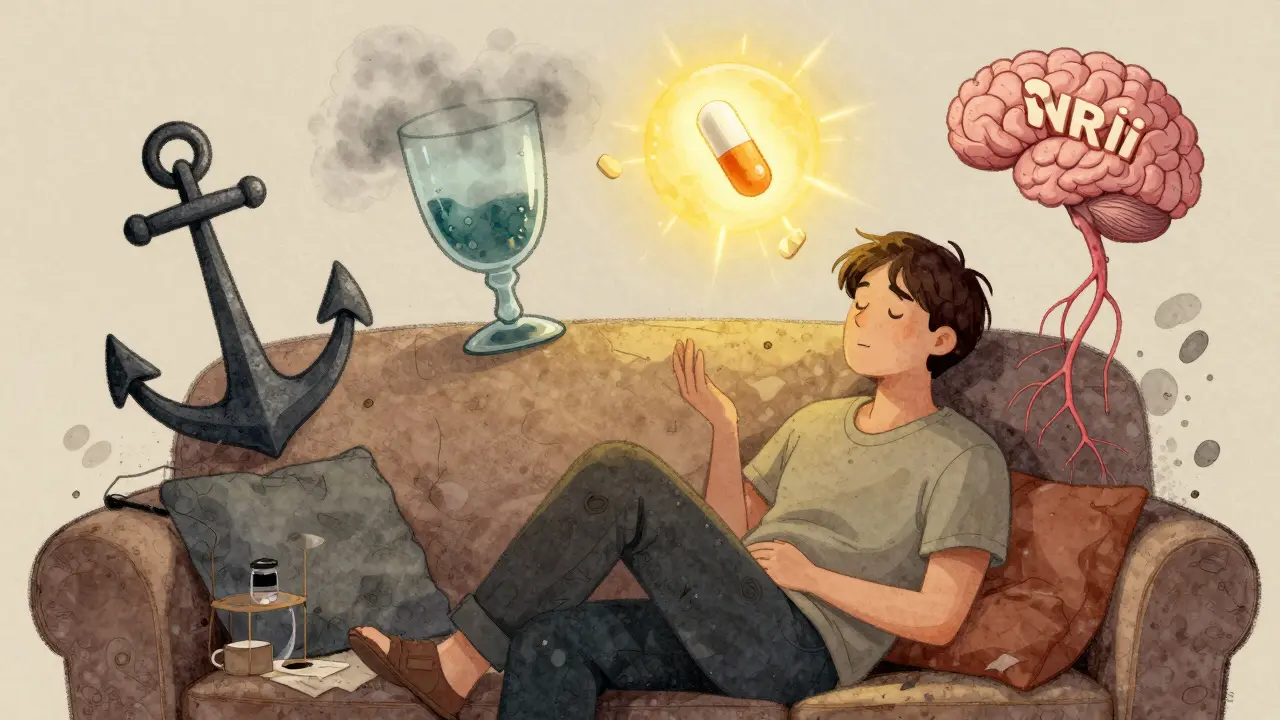
Doctors don’t start you on high doses. They begin low. For venlafaxine XR, that’s often 37.5mg once a day. You’ll stay there for a week or two to see how your body reacts. Then it’s slowly increased-usually every 4-7 days-until you hit the sweet spot. Most people reach their therapeutic dose in 2-4 weeks.
It takes time. Don’t expect miracles in a week. Most people notice small changes after 4-6 weeks. Full improvement can take 9-12 weeks. That’s why quitting early is so common-and so unnecessary. If you’re not feeling better by week 8, talk to your doctor. Maybe it’s the dose. Maybe it’s the med. Maybe it’s time to try something else.
For pain-related depression, duloxetine is often started at 60mg daily. For anxiety, desvenlafaxine might be chosen at 50mg. Levomilnacipran, the newest, starts at 40mg and can go up to 120mg. These aren’t guesses-they’re based on clinical trials and FDA labeling.
Real People, Real Results
On Reddit, users in r/mentalhealth share stories that don’t make it into medical journals. One person wrote: “Three SSRIs failed. Duloxetine gave me back my energy. I could finally clean my apartment again.” Another said: “I’ve been on venlafaxine for 5 years. It saved me from suicide. But the withdrawal? I cried for weeks when I tried to quit.”
On Drugs.com, duloxetine has a 6.1 out of 10 rating. The top positive reviews mention pain relief and renewed focus. The top complaints? Nausea at first and brutal withdrawal. These aren’t outliers-they’re the real experience of thousands.
A 2022 survey in the Journal of Affective Disorders found that 58% of SNRI users stayed on their meds beyond six months. That’s lower than SSRIs (65%), but still a majority. The main reason people quit? Side effects, not lack of effectiveness. That tells you something: if you can get through the first month, you’ve got a good shot at long-term benefit.
SNRIs and Therapy: A Powerful Combo
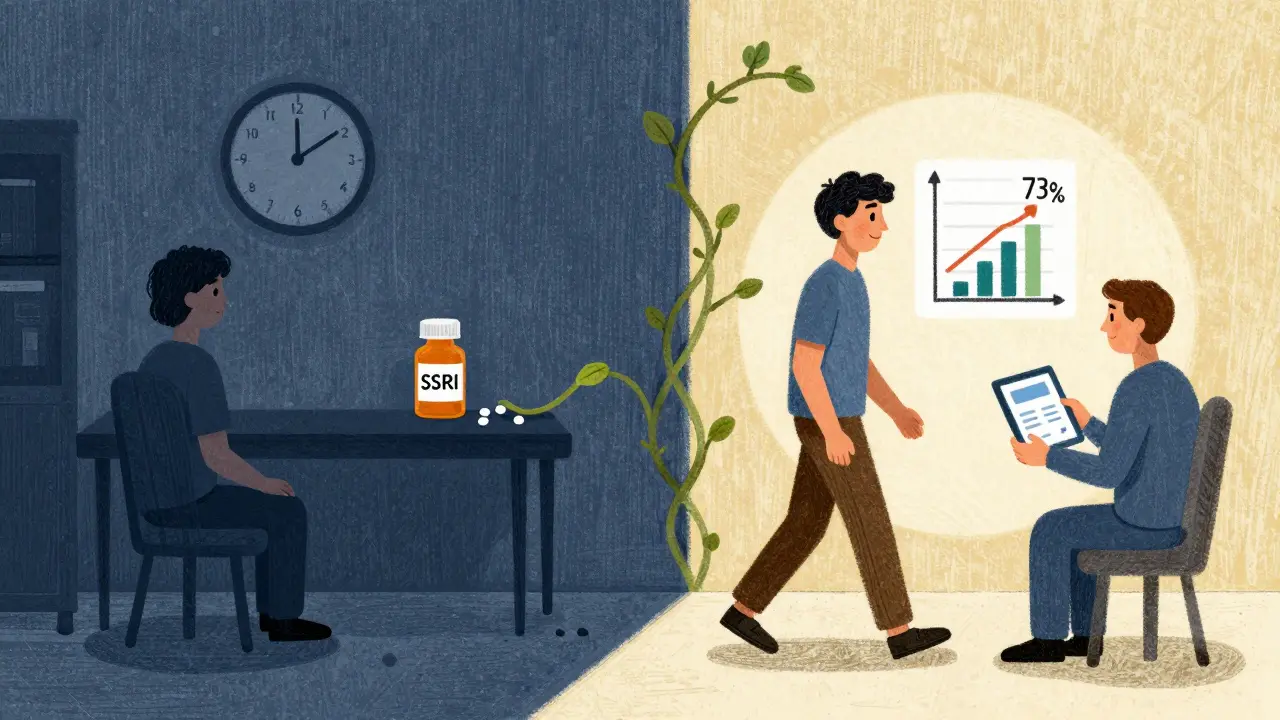
Medication alone isn’t the whole answer. Mayo Clinic’s 2022 trial showed that patients taking an SNRI plus cognitive behavioral therapy (CBT) had a 73% remission rate. Those on medication only? 48%. That’s a huge gap.
CBT helps rewire negative thought patterns. SNRIs help your brain respond better to those new patterns. Together, they’re stronger than either alone. That’s why top clinics now push for combined treatment-not just pills.
Even digital tools are helping. A 2023 JAMA Network Open study found that pairing duloxetine with a cognitive training app improved focus and memory in depressed patients by 35% compared to the drug alone. Apps aren’t replacements-but they’re useful teammates.
What’s New in 2026
The field is moving fast. In 2022, the FDA approved Drizalma Sprinkle-a new form of duloxetine with delayed-release granules. It’s designed for kids as young as 7 with anxiety disorders. That’s a big deal. SNRIs were once only for adults. Now they’re being tested in younger populations.
Genetic testing is also becoming part of the conversation. About 60-70% of people have gene variants (like CYP2D6 or CYP2C19) that affect how they metabolize SNRIs. Some people break down the drug too fast-so it doesn’t work. Others hold onto it too long-so side effects pile up. Testing can help avoid trial-and-error.
And then there’s esketamine. New Phase III trials are testing it alongside SNRIs for treatment-resistant depression. Early results show 45% remission rates-much higher than SNRIs alone. It’s not available yet, but it’s coming.
Who Should Avoid SNRIs
Not everyone is a candidate. If you have uncontrolled high blood pressure, severe liver disease, or a history of seizures, SNRIs might not be safe. People taking MAO inhibitors (like phenelzine) can’t use them at all-there’s a dangerous interaction.
Also, if you’re under 25, you’ll be warned about increased suicidal thoughts in the first few weeks. That’s a black box warning on all antidepressants. It’s rare-but real. That’s why close follow-up is required early on.
If you’re pregnant or breastfeeding, talk to your doctor. Some SNRIs cross into breast milk. The risks aren’t fully known, so decisions are made case by case.
Final Thoughts: Are SNRIs Right for You?
SNRIs aren’t the first answer. But they’re a powerful second one. If you’ve tried other antidepressants and still struggle with low energy, poor concentration, or physical pain, they might be worth a try. They’re not perfect. They have side effects. Withdrawal is real. But for many, they’re the key to finally feeling like themselves again.
Don’t rush. Don’t quit early. Work with your provider. Track your symptoms. Combine meds with therapy. Give it time. And remember: you’re not broken. You’re just waiting for the right tool.
Are SNRIs better than SSRIs for depression?
SNRIs aren’t clearly better for pure depression. Both classes have similar response rates-around 55-65%. But SNRIs have an edge when depression comes with fatigue, lack of focus, or chronic pain. That’s because they affect norepinephrine, which helps with energy and pain signaling. If SSRIs didn’t help, SNRIs are a logical next step.
How long does it take for SNRIs to work?
Most people start noticing small changes after 4-6 weeks. Full improvement often takes 9-12 weeks. Don’t give up if you don’t feel better right away. The brain needs time to adjust. If there’s no progress by week 8, talk to your doctor about adjusting the dose or switching meds.
Can SNRIs help with chronic pain?
Yes. Duloxetine and venlafaxine are FDA-approved for diabetic neuropathy, fibromyalgia, and chronic musculoskeletal pain. Studies show 30-50% of patients get at least 30% pain relief. That’s better than placebo and often better than other pain meds. They don’t cure the pain, but they make it manageable.
What are the most common side effects of SNRIs?
Nausea (affects about 25% of users, especially early on), dizziness, insomnia, dry mouth, and sexual dysfunction are the most common. Blood pressure can rise in 5-8% of users, so monitoring is important. Most side effects fade after 1-2 weeks, but sexual issues and blood pressure changes may last longer.
Is it safe to stop SNRIs suddenly?
No. Stopping abruptly can cause withdrawal symptoms like brain zaps, dizziness, nausea, anxiety, and flu-like feelings. These happen in 20-30% of people who quit cold turkey. The fix: taper slowly over 4-6 weeks. Studies show this cuts withdrawal risk by more than half. Always work with your doctor to create a safe stop plan.
Do SNRIs cause weight gain?
Unlike some older antidepressants, SNRIs don’t typically cause significant weight gain. In fact, some people lose a little weight early on due to reduced appetite or nausea. Long-term, weight changes are usually minimal. If you notice major changes, talk to your doctor-it could be related to diet, stress, or another factor.
Can I drink alcohol while taking SNRIs?
It’s not recommended. Alcohol can worsen dizziness, drowsiness, and liver stress. It can also increase the risk of high blood pressure and make depression symptoms worse. Even moderate drinking can interfere with how well the medication works. If you drink, talk to your doctor about limits-or consider cutting back while on treatment.
Are SNRIs addictive?
No. SNRIs are not addictive in the way opioids or benzodiazepines are. You won’t crave them or need more to get the same effect. But your body does adapt to them. Stopping suddenly causes withdrawal-not because you’re addicted, but because your brain has adjusted to having more serotonin and norepinephrine. That’s why tapering matters.



Stuart Shield
5 Jan 2026 at 15:20Man, I wish someone told me this five years ago. I was on sertraline for a year, felt like a zombie with a side of existential dread, then switched to venlafaxine and suddenly-my apartment didn’t feel like a war zone anymore. I could cook. I could shower. I could look at my cat without wanting to cry. It wasn’t magic, just… chemistry finally lining up. The nausea? Yeah, brutal for two weeks. But worth every second of puking into a bucket.