


Echinacea & Immunosuppressant Interaction Checker
Patient Profile Configuration
Why Check?
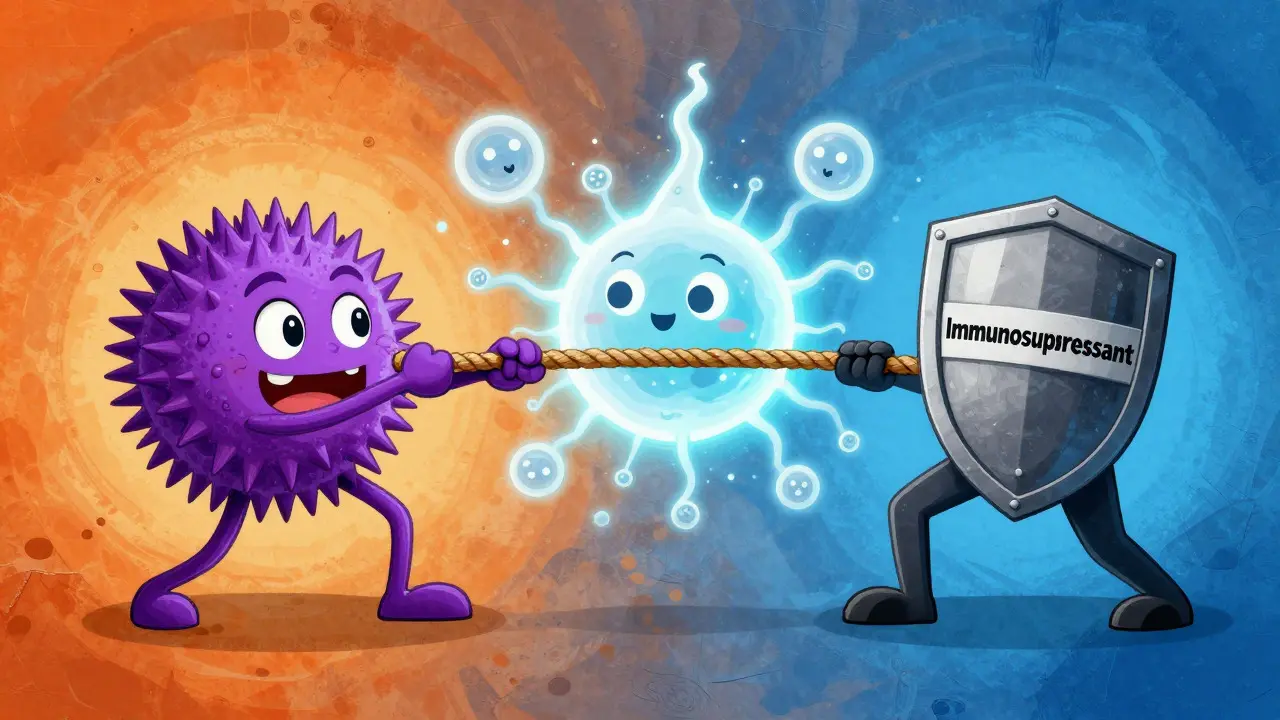
Echinacea stimulates the immune system, while immunosuppressants calm it down. Combining them creates a biological "tug-of-war" that can lead to organ rejection or disease flare-ups. Use this tool to understand your specific risk level.
Imagine spending years on a strict medication regimen to keep your body from attacking itself or rejecting a new organ. You follow every doctor's order. Then, you pop a bottle of Echinacea, a popular herbal supplement marketed for "immune support." It seems harmless. After all, it is natural. But for patients taking immunosuppressants, this simple act can trigger a biological tug-of-war with potentially life-threatening consequences.
The core problem is an immunological paradox. Echinacea is designed to stimulate the immune system. Immunosuppressants are designed to calm it down. When you take them together, you are essentially stepping on the gas and the brake at the same time. The result? Your prescribed medication may stop working, leading to disease flare-ups or organ rejection. This article breaks down exactly why this interaction happens, which drugs are involved, and what the latest medical data says about the risks.
The Biological Tug-of-War: How Echinacea Works Against Immunosuppressants
To understand the danger, we need to look at what these substances actually do inside your body. Echinacea is not just a generic "health boost." It contains specific chemical compounds, including alkamides, caffeic acid derivatives, and polysaccharides. These components actively recruit immune cells. They increase the mobility of leukocytes (white blood cells) and activate neutrophils, macrophages, and natural killer cells. In short, they wake up your immune system and tell it to fight.
Now consider the job of immunosuppressants. Drugs like cyclosporine, tacrolimus, and azathioprine are prescribed to dampen that exact activity. They are used by transplant recipients to prevent their bodies from destroying the new kidney, heart, or liver. They are also used by patients with autoimmune diseases like rheumatoid arthritis or lupus to stop the body from attacking its own tissues.
When echinacea enters the mix, it antagonizes-or opposes-the effects of these drugs. Memorial Sloan Kettering Cancer Center notes that echinacea may directly reduce the efficacy of immunosuppressive therapy. If your immune system gets stimulated by the herb while your medication tries to suppress it, the medication loses its power. The balance tips back toward inflammation and attack, undoing months or years of careful treatment.
| Substance | Primary Action | Target Cells/Pathways | Clinical Goal |
|---|---|---|---|
| Echinacea | Immunostimulatory | Activates macrophages, neutrophils, NK cells | Boost immune response (e.g., colds) |
| Cyclosporine | Immunosuppressive | Inhibits T-cell activation | Prevent organ rejection |
| Tacrolimus | Immunosuppressive | Blocks calcineurin pathway in T-cells | Prevent graft-versus-host disease/rejection |
| Methotrexate | Immunosuppressive/Antimetabolite | Inhibits DNA synthesis in rapidly dividing cells | Reduce autoimmune inflammation |
Real-World Consequences: Case Studies and Clinical Evidence
You might think, "It is just a herb; how bad could it be?" The clinical evidence suggests the stakes are high. While large-scale randomized trials specifically testing this combination are rare due to ethical concerns, case reports provide stark warnings.
Consider the case of a 55-year-old man with pemphigus vulgaris, an autoimmune blistering disease. He was stable on immunosuppressants until he started taking echinacea. His condition worsened significantly, requiring aggressive re-treatment to achieve only partial remission. In another instance, a 32-year-old man developed severe thrombotic thrombocytopenic purpura-a dangerous blood clotting disorder-after using echinacea for upper respiratory symptoms while on other medications.
Data from patient forums paints a broader picture. A 2022 analysis of posts on transplant patient communities identified 23 reports of suspected interactions. Of those, 17 patients found they needed higher doses of their immunosuppressants to stay stable, and six experienced acute rejection episodes shortly after starting echinacea. Although physicians did not formally diagnose every case as echinacea-related, the timing and pattern were too consistent to ignore.
The American Society of Health-System Pharmacists classifies the interaction between echinacea and immunosuppressants as "moderate," but recommends avoiding concomitant use entirely, especially in transplant patients. This is not theoretical fear-mongering; it is a precaution based on observed failures in therapy.
Who Is Most at Risk?
Not everyone needs to avoid echinacea, but certain groups face disproportionate danger. If you fall into one of these categories, the risk of mixing echinacea with your medication outweighs any potential benefit for fighting a cold.
- Solid Organ Transplant Recipients: For kidney, liver, heart, or lung transplant patients, even a slight drop in immunosuppression can lead to graft rejection. The American Society of Transplantation issued guidance in 2020 recommending complete avoidance of echinacea for all solid organ transplant recipients. By 2022, 87% of surveyed transplant centers had adopted this protocol.
- Autoimmune Disease Patients: Individuals with rheumatoid arthritis, lupus, Crohn's disease, or psoriasis often take drugs like methotrexate, mycophenolate mofetil, or corticosteroids. Echinacea can trigger disease flares, causing increased pain, swelling, and tissue damage.
- Cancer Patients on Immunomodulatory Therapy: Some cancer treatments rely on precise immune modulation. Introducing an unregulated stimulant like echinacea can interfere with chemotherapy agents such as cisplatin or etoposide, as seen in cases where patients developed profound thrombocytopenia (low platelet count).
The "Natural" Myth: Why Herbal Doesn't Mean Safe
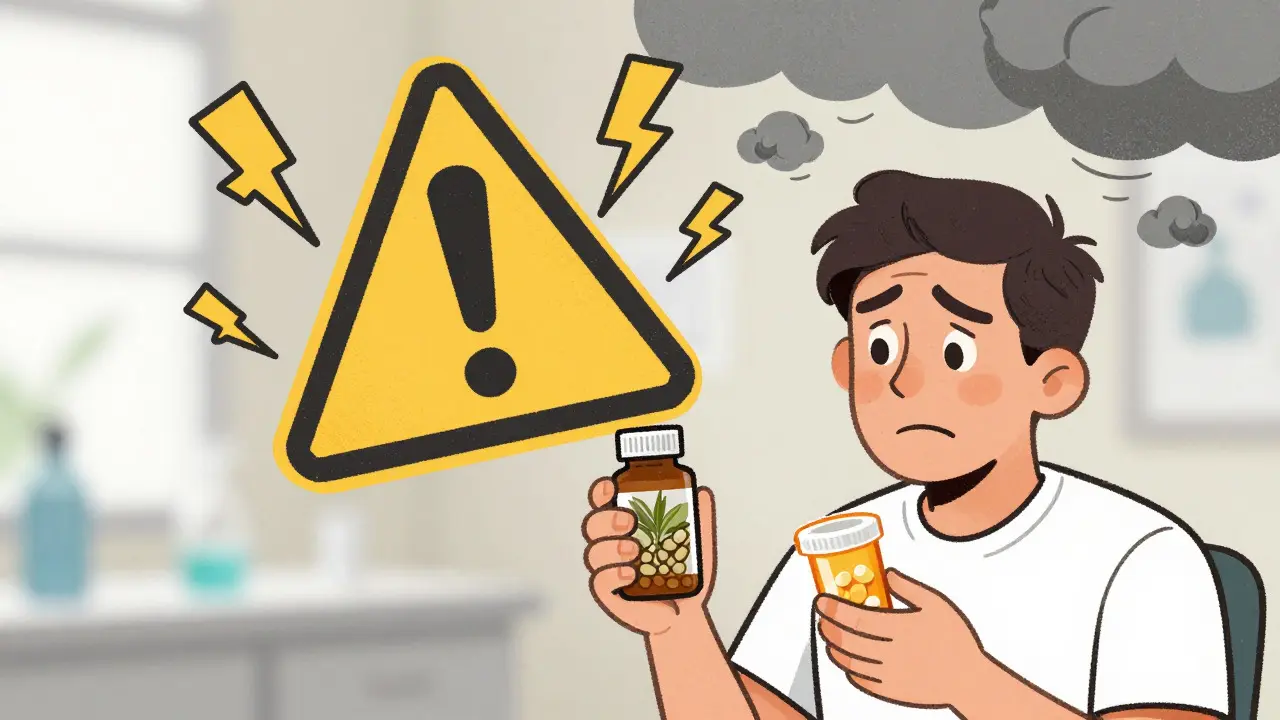
A major barrier to safety is the misconception that "natural" equals "safe." Echinacea is one of the top-selling herbal supplements globally, generating $142 million in revenue in 2022 alone. Nearly half of users take it for "immune support." However, the U.S. Food and Drug Administration (FDA) has not approved echinacea for any medical indication. It is regulated as a dietary supplement, not a drug, meaning manufacturers do not have to prove efficacy or safety before selling it.
In 2023, the FDA issued warning letters to three supplement manufacturers for making unproven claims about echinacea's benefits without disclosing interaction risks. This lack of regulation means label instructions are often vague. Unlike prescription drugs, which list specific contraindications, echinacea bottles rarely warn transplant patients to stay away.
Furthermore, the quality of echinacea varies wildly. Different species (like Echinacea purpurea vs. Echinacea angustifolia) contain different concentrations of active compounds. Alkamides, which bind to cannabinoid receptor type 2 (CB2), are key players in its immunomodulatory effects. Without standardized dosing, you never know exactly how much immune stimulation you are introducing into your system.
What About Long-Term Use? The Immunosuppression Paradox
Here is where it gets even more confusing. While echinacea is known for boosting immunity in the short term, some research suggests the opposite effect over time. The American Academy of Family Physicians (AAFP) noted in a critical analysis that long-term use of echinacea (more than eight weeks) may actually lead to immunosuppression.
This creates a dual threat for patients on immunosuppressants: 1. Short-term: Echinacea stimulates the immune system, counteracting the drug and risking rejection or flare-ups. 2. Long-term: Echinacea might suppress the immune system further, potentially increasing susceptibility to infections when combined with already compromised immunity from the drugs.
This unpredictable behavior makes echinacea particularly unsuitable for chronic conditions where stability is paramount. You cannot afford an immune system that swings wildly between overactive and underactive.

Alternatives to Echinacea for Immune Support
If you are on immunosuppressants, does that mean you have no way to support your health during cold season? Not necessarily. There are safer alternatives that do not carry the same risk of direct immune antagonism.
- Vitamin D: Many people on immunosuppressants are deficient in Vitamin D. Supplementation can help maintain bone health and general well-being without stimulating immune attacks. Always check your levels with your doctor first.
- Zinc: Zinc supports immune function but generally does not provoke the same aggressive inflammatory response as echinacea. However, moderation is key, as excessive zinc can cause copper deficiency.
- Probiotics: Gut health plays a role in overall immunity. Probiotics may help maintain a healthy microbiome without directly interfering with systemic immunosuppressive drugs.
- Ginger and Turmeric: These herbs have anti-inflammatory properties. Unlike echinacea, they do not primarily work by activating white blood cells. Still, always consult your provider, as ginger can have mild blood-thinning effects.
Remember, milk thistle is another common herb, but it primarily affects liver metabolism rather than direct immune modulation. While it has its own set of interactions (especially with drugs metabolized by the liver), it does not present the same direct "tug-of-war" conflict with immunosuppressants that echinacea does.
Practical Steps for Patients and Providers
Navigating supplement use while on medication requires open communication. Here is a checklist to ensure safety:
- Disclose Everything: Tell your healthcare provider about every pill, powder, and tea you take. The Cleveland Clinic emphasizes that providers "need to know if you have any of these conditions" and should be informed about all supplements. Don't assume your doctor knows you bought echinacea at the grocery store.
- Read Labels Carefully: Look for "immune support" claims. If a product promises to boost immunity, it likely contains ingredients that could interfere with immunosuppressants.
- Ask Before You Start: Never self-prescribe herbal remedies. Ask, "Will this interact with my tacrolimus/methotrexate/corticosteroids?"
- Monitor Symptoms: If you have accidentally taken echinacea, watch for signs of disease flare-up (increased joint pain, skin rashes, fatigue) or infection. Report these changes immediately.
- Stay Updated: Medical guidelines evolve. The European Medicines Agency updated labeling requirements in 2022 to reflect interaction risks. Ensure your care team is following the latest protocols.
The National Institutes of Health is currently funding a study (NCT04851234) examining echinacea's pharmacokinetic interactions with tacrolimus in kidney transplant patients. Preliminary results are expected in 2025, which may provide even clearer data. Until then, the consensus among major medical organizations-including the American College of Rheumatology-is clear: avoid echinacea if you are on immunosuppressive therapy.
Can I take echinacea if I am on low-dose steroids?
Even low-dose corticosteroids like prednisone are immunosuppressive. Because echinacea can stimulate the immune system, it may reduce the effectiveness of the steroid. It is safest to avoid echinacea or consult your rheumatologist or endocrinologist before combining them.
How long does echinacea stay in your system?
The active compounds in echinacea are metabolized relatively quickly, but their immunological effects can last for several days. If you have been taking echinacea regularly, allow at least two weeks after stopping before resuming immunosuppressive therapy, or vice versa, unless directed otherwise by your doctor.
Is there a safe brand of echinacea for transplant patients?
No. The issue is not the brand quality but the pharmacological mechanism of the plant itself. All forms of echinacea (capsules, teas, tinctures) contain the immune-stimulating compounds that can antagonize immunosuppressants. The American Society of Transplantation recommends complete avoidance regardless of brand.
Does echinacea interact with blood thinners?
While the primary concern is with immunosuppressants, echinacea may also have mild effects on blood clotting. If you are on anticoagulants like warfarin, monitor your INR levels closely if you choose to use echinacea, as it could potentially alter bleeding risk.
What are the symptoms of echinacea-induced immune flare?
Symptoms depend on your underlying condition. For autoimmune patients, this might mean increased joint swelling, skin rashes, or fatigue. For transplant recipients, signs could include fever, pain at the transplant site, or changes in lab values indicating organ stress. Seek immediate medical attention if these occur after starting a new supplement.


Write a comment