

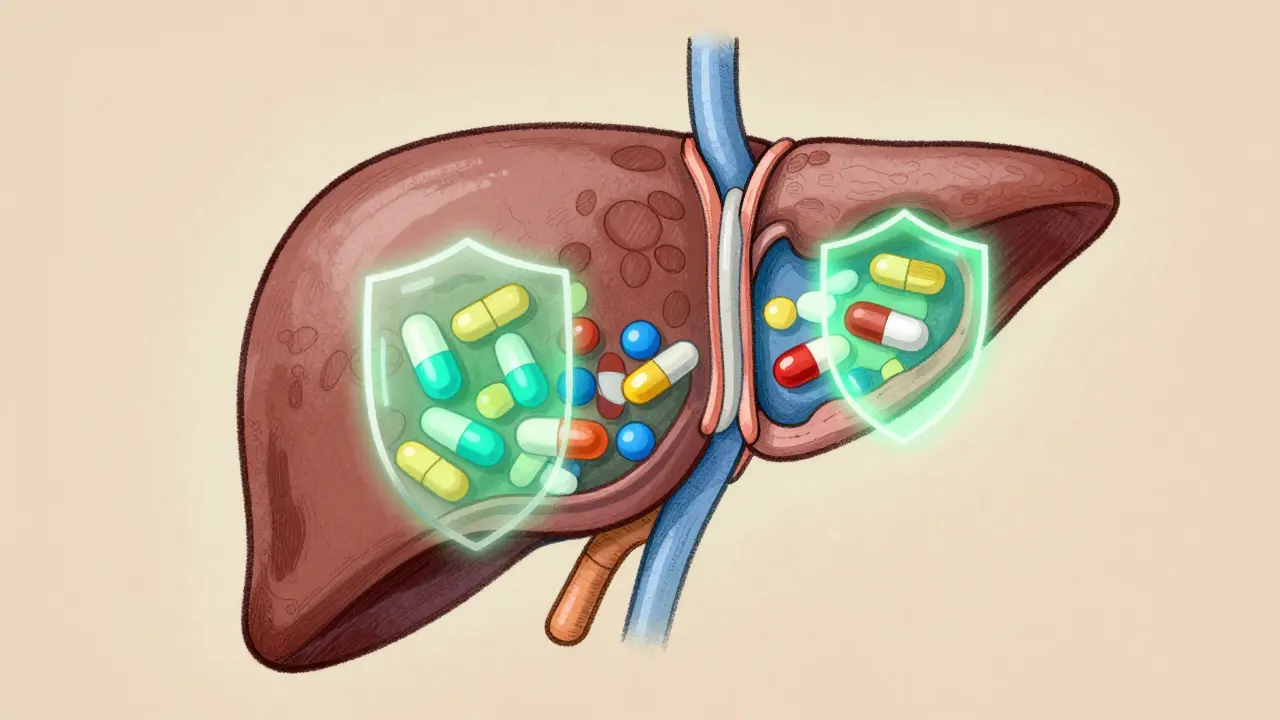
How to Avoid Liver Injury from OTC Pain Relievers
Every year, over 56,000 people rush to emergency departments because their livers have been overwhelmed by common medicine. It might surprise you to learn that the culprit isn't always a mystery illness or a rare disease. Often, it comes straight from the kitchen cabinet. According to recent data from the Centers for Disease Control and Prevention, acetaminophen is the leading cause of acute liver failure in the United States. For those outside the U.S., this drug is widely known as Paracetamol a ubiquitous pain reliever available over-the-counter. While it is a safe tool when used correctly, the line between relief and toxicity is thinner than most people realize.
Most individuals assume that because a medication does not require a doctor's signature, it cannot cause serious harm. That assumption is dangerous. Over-the-counter options represent a significant public health concern regarding liver safety. Understanding how these drugs work in your body is the first step toward preventing accidental damage.
The Mechanism Behind Drug-Induced Liver Damage
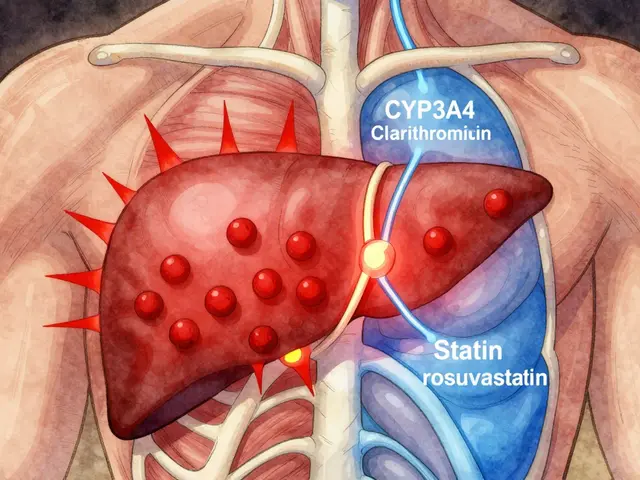
To understand why acetaminophen Tylenol can cause trouble, you need to look at how your liver processes chemicals. Your body metabolizes this drug through a complex pathway. Usually, the process is smooth. However, a small portion of the medication turns into a toxic substance called N-acetyl-p-benzoquinone imine, often abbreviated as NAPQI.
Under normal conditions, your liver has a defense system. A natural antioxidant called glutathione neutralizes NAPQI before it can hurt any cells. The problem arises when you take too much medication at once. When the dose gets too high, your glutathione stores get depleted. Without this buffer, NAPQI accumulates and attacks the liver cells directly. This oxidative stress leads to cell death and inflammation, clinically referred to as hepatotoxicity.
This process explains why timing matters just as much as total quantity. Taking multiple doses close together prevents the liver from clearing the previous load, causing toxic metabolites to build up faster than they can be removed. Research from UC San Diego Health notes that roughly 30 to 50% of hospitalizations result from unintentional overdoses, meaning most patients did not intend to hurt themselves.
Safe Dosage Limits and Risk Factors
Determining exactly how much is "too much" is crucial for preventing liver injury. Guidelines vary slightly depending on whether you have pre-existing conditions, but general rules exist for the average adult. The American College of Gastroenterology advises that healthy adults should not exceed 1,000 mg per single dose and 4,000 mg daily. However, regulations have evolved recently. In 2021, the U.S. Food and Drug Administration mandated maximum daily doses of 3,250 mg in prescription combination products, reflecting a lower tolerance for risk in clinical practice.
If you have existing liver issues, the math changes drastically. Patients with pre-existing liver conditions should limit intake to 2,000 mg daily according to Veterans Affairs guidelines. If you have advanced liver disease, some experts suggest stopping completely until a doctor gives approval. The presence of other factors can lower the threshold for toxicity significantly.
| Patient Type | Max Daily Dose | Key Restriction |
|---|---|---|
| Healthy Adult | 4,000 mg | Avoid alcohol entirely |
| Mild Liver Disease | 2,000 mg | Consult physician strictly |
| Heavy Alcohol Use | 2,000 mg or less | Risk of rapid failure |
| Pregnant Women | Varies | Strict medical supervision needed |
Hidden Sources of Acetaminophen
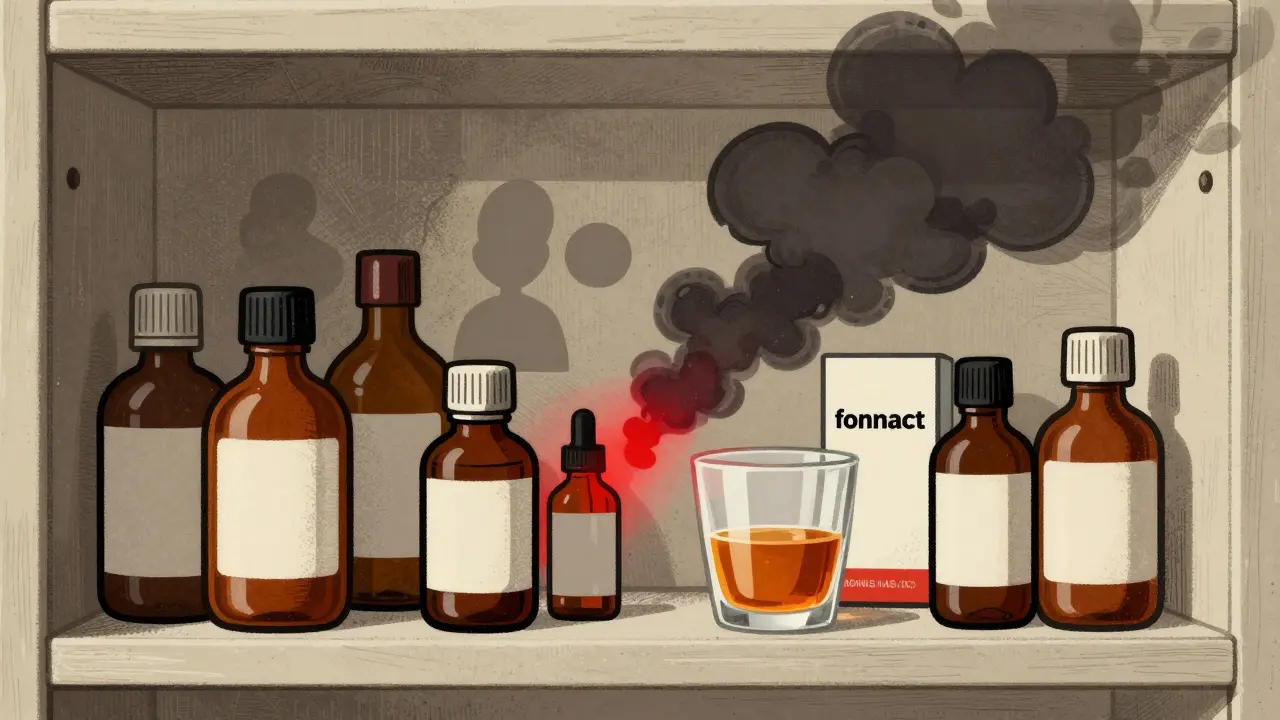
One of the biggest risks involves medications that aren't obvious painkillers. Many people grab a bottle for a headache, unaware that another product contains the same active ingredient. According to UC San Diego Health's analysis, there are over 600 prescription and OTC products containing this compound. This creates a high potential for accidental stacking.
Cold and flu remedies are the primary culprits. Many multi-symptom formulas designed for coughs, congestion, or fever contain acetaminophen alongside decongestants or antihistamines. If you treat a fever with one pill and then take a nighttime cold syrup for sleep, you may unknowingly double your dose. Data from the FDA indicates that combination products account for a quarter of unintentional overdoses.
Check every label you buy. Look specifically for the words "APAP," "para," or "acetaminophen." These abbreviations are used globally to denote the drug. Using a pill organizer with daily maximum indicators can help you track intake visually. Writing down every dose in a medication diary is also a highly effective strategy recommended by the Hepatitis Foundation International.
NSAIDs versus Acetaminophen
Not all painkillers hurt the liver equally. Nonsteroidal anti-inflammatory drugs, commonly known as NSAIDs, follow a different metabolic path. Drugs like ibuprofen and naproxen are metabolized differently and generally pose less direct risk to the liver compared to high-dose acetaminophen.
However, they carry their own set of severe risks. GoodRx's analysis of adverse event reports identifies diclofenac as one of the NSAIDs most likely to cause liver injury, though it remains rare compared to acetaminophen cases. The primary danger with NSAIDs usually targets the kidneys and the stomach lining. They can lead to gastrointestinal bleeding or kidney damage rather than acute liver failure.
For people with liver disease, NSAIDs are particularly discouraged. According to Cary Gastroenterology's clinical review, they can impair platelet function and cause fluid retention, which complicates cirrhosis cases. If you have liver concerns, topical NSAIDs may present a safer profile for pain management since less of the drug enters the bloodstream.
The Alcohol Interaction
Mixing pain relievers with alcohol is a recipe for disaster. Alcohol consumption depletes the very glutathione reserves your liver needs to fight off toxic metabolites. This synergistic toxicity can lower the dangerous threshold to as little as 2,000 mg daily for regular drinkers. The University Hospitals safety report emphasizes that absolute avoidance of alcohol during acetaminophen use is critical for safety.
Even moderate drinking can alter how your body processes medication. If you drink socially, waiting several hours before taking a dose helps mitigate risk. Chronic heavy drinkers are at the highest risk for rapid liver injury even with standard doses. Always consult a specialist if your lifestyle includes regular alcohol intake.
Recognizing Early Warning Signs
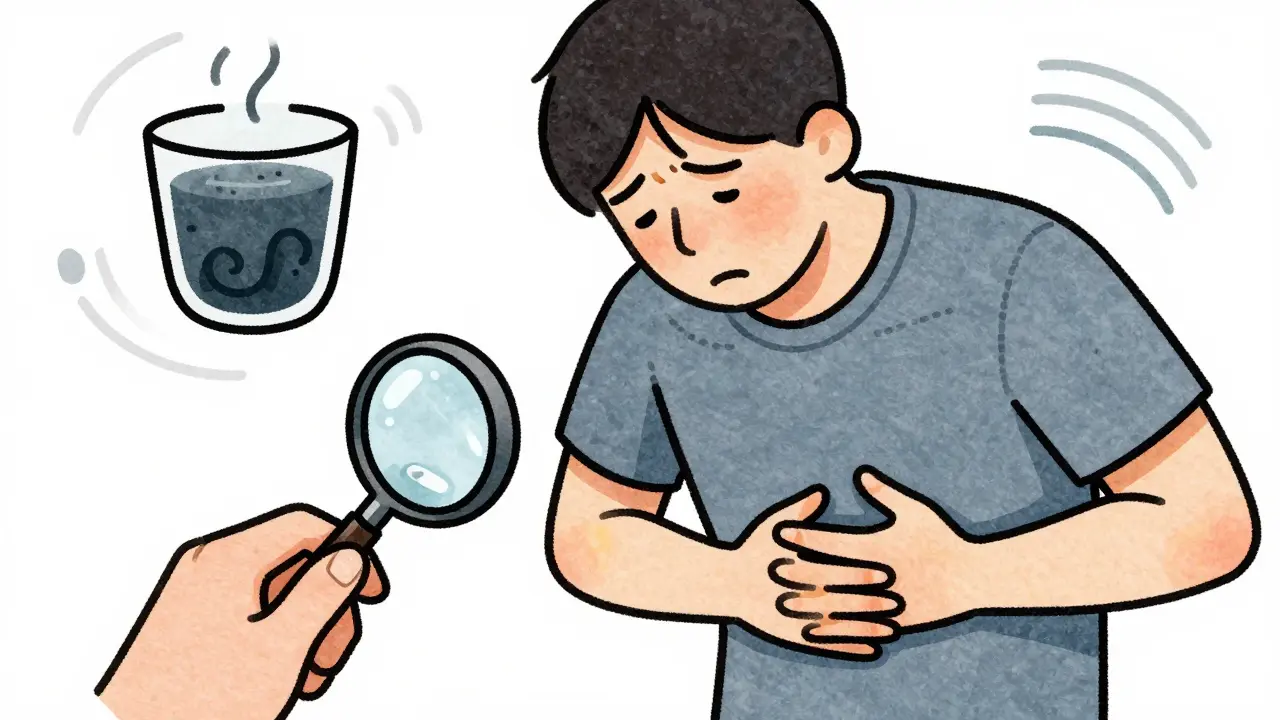
Your body often sends signals before the damage becomes irreversible. The National Institute of Diabetes and Digestive and Kidney Diseases reports that 93% of acetaminophen-induced liver failure cases present specific symptoms within the first 72 hours after an overdose. Being able to spot these early saves lives.
- Nausea and Vomiting: Persistent queasiness that doesn't resolve with rest.
- Appetite Loss: Feeling full quickly or having zero interest in food.
- Fatigue: Unexplained exhaustion despite adequate sleep.
- Abdominal Pain: Specifically in the upper right quadrant where the liver sits.
- Jandice: Yellowing of the skin or whites of the eyes.
- Dark Urine: Color resembling cola or tea rather than light yellow.
If you notice clay-colored stools along with these symptoms, seek emergency care immediately. The antidote for acetaminophen overdose is N-acetylcysteine (NAC). According to poison control protocols, this treatment must be administered within 8 hours for maximum effectiveness. Efficacy drops significantly after 16 hours post-ingestion, so speed is essential.
Strategies for Safer Pain Management
Prevention relies on discipline and awareness. For chronic pain management in at-risk populations, the American Liver Foundation recommends exploring non-pharmacological approaches first. Physical therapy, cognitive behavioral therapy, and acupuncture can reduce the need for medication.
When medication is necessary, space your doses out. Implementing a minimum 8-hour interval between doses prevents accumulation. Keep all medicines in their original bottles so expiration dates and warnings are visible. If you are taking other prescriptions, ask your pharmacist to cross-check interactions.
Personalized medicine is also emerging as a tool. Genetic testing for glutathione S-transferase polymorphisms is becoming available to identify individuals with increased susceptibility. Companies like 23andMe now offer insights that could explain why some people react poorly to standard doses. Knowing your genetic makeup allows for tailored dosing limits.
Conclusion
Medication safety is not just about following the instructions; it's about understanding how those instructions apply to your unique body and habits. By tracking your intake, avoiding hidden combinations, and respecting the limits of your liver's detoxification capacity, you can manage pain without paying the price in organ health. Stay vigilant, read labels, and prioritize your long-term well-being.
Is acetaminophen safe if I drink alcohol occasionally?
If you consume alcohol regularly, your safe dose is lower, around 2,000 mg daily. Occasional sipping reduces glutathione slightly, so it is safer to avoid mixing them completely or limit intake significantly to stay under safe thresholds.
Can Tylenol cause kidney damage instead of liver damage?
Acetaminophen primarily targets the liver. Kidney damage is more commonly associated with NSAIDs like ibuprofen or Naproxen. However, extreme overdose can lead to multi-organ failure affecting both systems.
What is the first sign of liver toxicity from painkillers?
Early signs include nausea, vomiting, loss of appetite, and abdominal pain in the upper right side. These often appear 24 to 72 hours after a significant overdose event.
Are there safer alternatives for people with liver disease?
Topical NSAIDs are often safer for liver health. Non-drug methods like physical therapy, heat packs, and acupuncture are recommended as first-line treatments by liver foundations before trying analgesics.
How do I know if my cold medicine contains acetaminophen?
Look for "APAP," "para," or "acetaminophen" on the active ingredients list. Combination cold medicines frequently hide it behind brand names like NyQuil or Excedrin, so always inspect the back label carefully.

-
OMG this article is absolutely life saving information!!! 😱 I never realized how many people end up in the hospital because of simple pain killers!!! You really need to check your labels every single time you buy something!!! It is not just about taking too much at once either!!! Sometimes you mix two cold medicines and boom!!! Your liver takes the hit instantly!!! We see this so often in my family actually!!! My cousin almost lost everything last winter because he drank alcohol with Tylenol!!! 😢 It is so scary to think about!!! Everyone thinks over the counter means safe automatically!!! But that is just plain wrong according to the science!!! Glutathione stores get depleted way faster than we imagine!!! NAC treatment helps but timing is everything!!! If you wait too long then you are basically screwed!!! Doctors say avoid alcohol completely while taking these pills!!! It sounds restrictive but your health comes first always!!! Read the back label for APAP or para words!!! Write down when you take doses in a little diary!!! Prevention is literally better than cure here folks!!! 💊⚠️❤️
-
wow you act like you know chemistry but its basic pharmacology 101
most people are clueless honestly -
i thik the body is complex and we ignore signals
listening to nature matters more than pills
hope everyone stays safe though -
That is a valid perspective regarding natural healing methods but sometimes medication is necessary for survival
We must find balance between intervention and caution -
It seems funny that people still do not read the labels after decades of warnings being printed everywhere
Maybe they simply refuse to understand basic biology
Do not expect sympathy when you poison yourself with cheap drugs -
Sympathy is irrelevant when the science is clear
Ignorance of medical guidelines leads directly to preventable suffering which is unnecessary
We must demand better education systems -
Stay strong and keep checking your meds
You got this guys lets stay healthy -
Truly terrifying news indeed
-
Great summary of the risks
I appreciate the detailed breakdown on glutathione levels -
Good info thank you
Spreading awareness is key


Tony Yorke
26 Mar 2026 at 14:47Honestly this stuff really scares me
never knew Tylenol could hurt so much