



Medical Decision Simulator
Select a Scenario
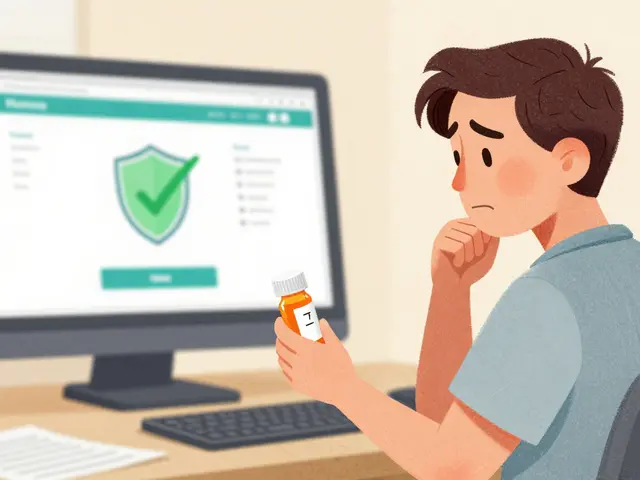
Imagine waking up in a hospital bed, unable to speak or move. A doctor stands over you, holding a prescription for a powerful new drug. You can't say yes. You can't say no. In that moment, your silence is deafening. Who speaks for you? Do they know if you hate the side effects of painkillers? Do they know you’d rather suffer than be kept alive by machines?
This isn't just a scary movie plot. It’s a reality for millions of people every year. Without a Medical Power of Attorney is a legal document that designates a trusted person to make healthcare decisions when you cannot communicate them yourself., the default decision-makers are often strangers-doctors following protocol-or family members arguing over what you "would have wanted." The stakes get even higher when it comes to specific medication choices. Antibiotics, blood thinners, psychiatric drugs-these aren't one-size-fits-all treatments. They require nuance, knowledge of your history, and an understanding of your values.
Planning ahead with a Medical Power of Attorney (MPOA) isn't about expecting the worst. It's about taking control of your narrative. It ensures that when the time comes, someone who knows you intimately-not just legally, but personally-is the one pulling the lever on your care. Let’s break down exactly how this works, why medication decisions are the trickiest part, and how to set it up so it actually protects you.
What Is a Medical Power of Attorney?
At its core, a Medical Power of Attorney is simple. You are the "principal." You pick someone else-the "agent" or "healthcare proxy." If you lose the ability to make decisions due to illness, injury, or surgery, your agent steps in. They don't just guess; they act based on what they know about you.
This document only kicks in when you can’t speak for yourself. As long as you’re conscious and capable, your word is law. But once capacity slips away, the MPOA becomes the voice in the room. According to data from the National Center for Health Statistics, only about 36.7% of American adults have completed these documents. That means nearly two-thirds of us leave our medical fate to chance or state default laws.
The authority granted here is broad. Your agent can decide whether you go to a nursing home, which treatments you accept, and crucially, which medicines you take. They can also access your medical records to understand the full picture. This isn't just about end-of-life care. It covers everything from routine antibiotic choices during a minor surgery to complex chemotherapy regimens.
Why Medication Decisions Are Different
You might think, "My spouse knows me best. They’ll figure it out." But studies show otherwise. Research published in the *Journal of Pain and Symptom Management* found that patients with designated proxies had significantly fewer conflicts, yet another study noted that agents misinterpret patient wishes regarding medications up to 32% of the time. Why? Because medication decisions are technical and highly personal.
Consider these scenarios:
- Pain Management: Do you prefer heavy opioids despite the risk of confusion, or do you want to stay clear-headed even if it hurts more?
- Antibiotics: If you develop sepsis, do you want aggressive IV antibiotics that might damage your kidneys, or palliative comfort care?
- Psychiatric Meds: If dementia sets in, do you want antipsychotics to manage agitation, knowing they increase stroke risk, or do you prefer natural behavioral interventions?
- Blood Thinners: After a fall, do you want anticoagulants to prevent clots, accepting the bleeding risk, or do you avoid them entirely?
A generic "do whatever is best" instruction fails here. "Best" is subjective. For some, longevity is king. For others, quality of life matters more. Without explicit guidance, your agent is left guessing, and doctors often default to standard protocols-which may not align with your values.
MPOA vs. Living Will: What’s the Difference?
People often confuse these two tools. They work together, but they serve different jobs.
| Feature | Medical Power of Attorney (MPOA) | Living Will | POLST/MOLST |
|---|---|---|---|
| Who Acts? | Your chosen Agent/Proxy | No person; written instructions only | Medical team follows orders |
| Flexibility | High. Agent adapts to new situations. | Low. Covers only listed scenarios. | Medium. Specific current orders. |
| Medication Detail | Agent decides based on conversation. | Limited to general preferences. | Very specific (e.g., "No antibiotics"). |
| When It Starts | When you lose capacity. | When you lose capacity. | Immediately (for seriously ill). |
A Living Will is a document stating your treatment preferences for specific medical conditions when you cannot communicate. is like a menu. You check boxes for things you want or don’t want (e.g., "No tube feeding"). But life doesn’t always follow the menu. What if a new drug comes out? What if your condition is rare? The living will stays silent.
The MPOA gives you a human interpreter. Your agent reads the room, talks to the doctors, and makes calls that fit your goals. A POLST (Physician Orders for Life-Sustaining Treatment) form is different again-it’s a medical order signed by a doctor, usually for those with serious illnesses. It travels with you to the ER. While helpful, it doesn’t replace the need for an agent to handle day-to-day medication tweaks.

Choosing the Right Agent
Picking your agent is the most critical step. Don’t just pick your oldest child or your spouse because it’s traditional. Pick the person who listens well, stays calm under pressure, and respects your boundaries-even if they disagree with you.
Ask yourself these questions:
- Do they ask tough questions now, or do they avoid hard conversations?
- Are they geographically close enough to visit hospitals quickly?
- Do they understand your religious or philosophical views on healing?
- Will they stand up to other family members who might push for "everything possible"?
It’s okay to choose a friend over a relative. It’s okay to choose a sibling over a parent. The goal is alignment, not obligation. Also, name a backup agent. People get sick too. If your primary agent is incapacitated at the same time you are, you need a Plan B.
How to Talk About Medications
Sitting down with your agent shouldn’t feel like a funeral pre-planning session. Frame it as a gift. You’re giving them clarity so they don’t carry the guilt of guessing later.
Start with the big values, then drill down into specifics. Here’s a framework for the conversation:
- Define "Quality of Life": What makes life worth living for you? Is it independence? Mental clarity? Social connection? If a medication keeps you alive but strips away your personality, would you take it?
- List Current Medications: Go through your current pills. Which ones do you love? Which ones make you miserable? Explain why. "I hate this antidepressant because it kills my libido" tells your agent something a checkbox never could.
- Scenario Planning: Use "If/Then" statements. "If I have advanced dementia and don’t recognize my kids, then I don’t want antibiotics for pneumonia." "If I’m in chronic pain, then I want opioids, even if I get groggy."
- Address Psychiatric Care: This is often overlooked. If you have a history of mental health issues, specify if you want maintenance meds continued or stopped if you become incapacitated physically.
Write these notes down. Attach them to your MPOA. Some states allow you to include specific instructions directly in the form. Others prefer a separate letter of intent. Either way, put it in writing.

Legal Requirements and Execution
The rules vary by state, but the basics are consistent. You must be mentally competent when you sign. This means you understand what you’re doing right now. You don’t need a lawyer, though it helps for complex families. Most states require either two witnesses or a notary public.
Witnesses usually cannot be:
- Your healthcare provider
- Someone related to you by blood or marriage
- Someone who stands to inherit from you
In the UK, where I live in Leeds, we use Lasting Powers of Attorney (LPA) for Health and Welfare. The concept is similar but registered with the Office of the Public Guardian. In the US, the Patient Self-Determination Act requires hospitals to ask if you have these documents. Make sure your agent carries a copy. Keep copies with your doctor, your lawyer, and in a fireproof box at home. Digital storage is great, but ensure your local hospital system can access it. Many EHR systems now integrate advance directives, but redundancy saves lives.
Common Pitfalls to Avoid
Even with the best intentions, plans fail. Here’s how to keep yours solid:
- Vague Language: Avoid phrases like "reasonable care" or "normal treatment." These mean nothing to a stressed doctor. Be specific.
- Outdated Info: Review your MPOA every few years or after major life events (divorce, new diagnosis, death of agent). A 2023 CDC report highlights that adoption rates drop sharply in younger demographics, but everyone needs one, not just seniors.
- Family Conflict: Tell your family early. If your siblings find out about your MPOA only when you’re in the ICU, they may challenge your agent’s authority. Pre-emptive communication prevents courtroom battles.
- Ignoring Psychiatric Directives: Standard MPOAs sometimes exclude mental health decisions unless specified. Check your state’s laws. Indiana, for example, has specific forms for psychiatric advance directives. Ensure your agent can handle both physical and mental health crises.
Next Steps for Your Safety Plan
Don’t let procrastination win. The process takes less than an hour to draft, but the value lasts a lifetime. Start by downloading your state’s official form-they are free. Then, schedule that coffee chat with your potential agent. Bring the list of questions above. Discuss your fears and hopes.
If you have complex assets or family dynamics, consult an elder law attorney. For most people, however, a clear conversation plus a signed form is enough. Remember, this document is a shield. It protects your dignity, your body, and your loved ones from the burden of uncertainty. When the unexpected happens, you won’t be silent. Your voice will still be heard, through the person you trust most.
Does a Medical Power of Attorney take effect immediately?
No, typically a Medical Power of Attorney is "springing," meaning it only activates when a physician certifies that you lack the capacity to make your own healthcare decisions. Until then, you retain full control over your body and medications.
Can my agent refuse life-saving medication?
Yes, if they believe it aligns with your previously expressed wishes. Your agent has the authority to refuse any treatment, including antibiotics, chemotherapy, or mechanical ventilation, provided the refusal is consistent with your known goals of care.
Is a Medical Power of Attorney valid in all states?
While all 50 states recognize the concept, the specific forms and legal requirements vary. Some states honor out-of-state documents, but others may require re-execution using their specific form. If you travel frequently or split time between states, check reciprocity laws or consider having forms for both jurisdictions.
How often should I update my Medical Power of Attorney?
Experts recommend reviewing your advance directives every three to five years, or immediately after major life changes such as divorce, the death of your agent, a new chronic diagnosis, or a significant shift in your health beliefs.
Can I change my mind about my agent later?
Absolutely. As long as you have mental capacity, you can revoke your current Medical Power of Attorney and appoint a new agent at any time. It’s best to destroy old copies and notify your healthcare providers of the change.







Anna Salamon
2 Aug 2026 at 15:32It is genuinely terrifying to think about losing that agency over your own body, yet so many of us treat it like an afterthought. I spent last weekend sitting down with my sister because we realized we had never actually discussed what 'quality of life' meant for either of us in a medical crisis. It wasn't easy, but having those conversations now feels like a gift to our future selves. The part about medication specifics really hit home for me because I know how sensitive I am to certain side effects.