


Medication Safety Checker for Seniors
Medication Safety Checker
Check if your medications are potentially inappropriate for older adults based on the Beers Criteria. Enter each medication individually and click 'Check Safety'.
Important: This tool is for educational purposes only. Always consult with your doctor or pharmacist before making any changes to your medication regimen.
Your Medications
Results
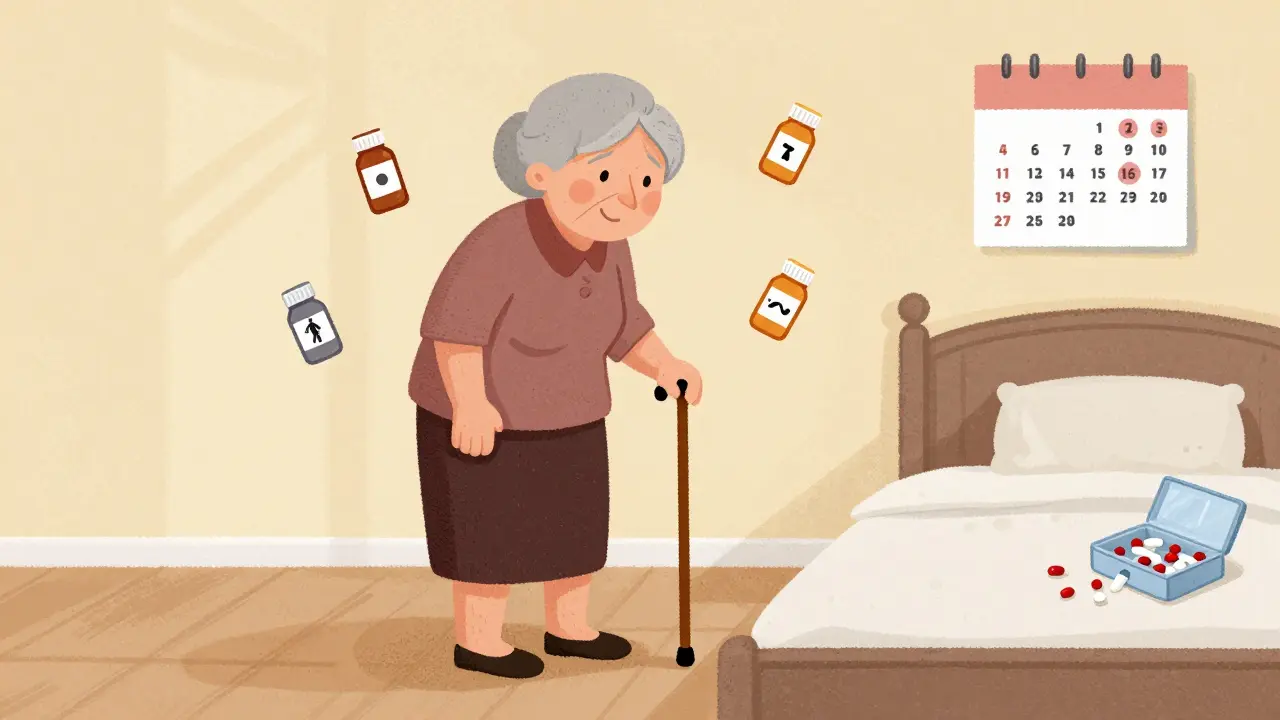
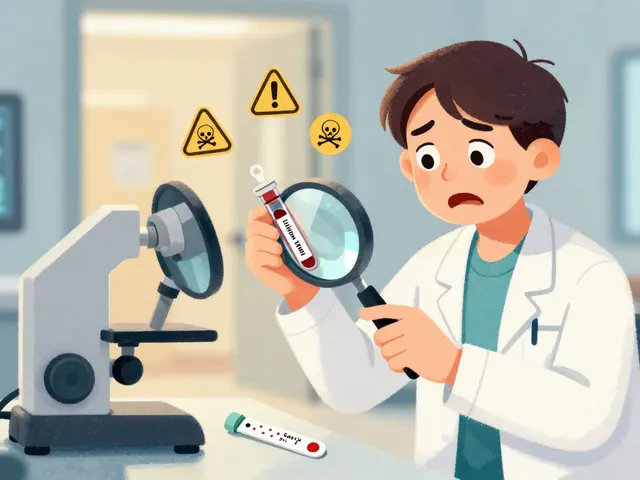
Older adults don’t just take more medications-they react to them differently. A 72-year-old taking a common painkiller might feel dizzy and stumble. A 68-year-old on a sleep aid might wake up confused, thinking she’s in a different room. These aren’t random accidents. They’re classic signs of age-related medication sensitivity, a quiet but dangerous reality for millions of seniors.
Why Older Bodies Handle Drugs Differently
Your body changes as you age-and those changes directly affect how medications work. It’s not about being "weak" or "fragile." It’s biology. By age 70, liver blood flow drops by 30-40%. That means drugs like diazepam or chlordiazepoxide, which used to clear from the body in a day, now linger for days. The result? Prolonged drowsiness, slower reactions, and a higher chance of falling. Kidneys also slow down. After 40, glomerular filtration rate declines by about 0.8 mL/min/1.73m² each year. Medications cleared by the kidneys-like digoxin, metformin, or certain antibiotics-build up faster. Even a normal dose can become toxic. Body composition shifts too. Fat increases while muscle and water decrease. That means fat-soluble drugs (like some antidepressants or benzodiazepines) get stored in fat tissue and released slowly, creating a delayed, prolonged effect. Water-soluble drugs, on the other hand, become more concentrated because there’s less fluid to dilute them. These aren’t theoretical concerns. They’re measurable. And they explain why a drug that’s safe for a 40-year-old can be risky for a 75-year-old.The Real Danger: Polypharmacy
Most older adults have multiple health conditions. Heart disease. Arthritis. Diabetes. High blood pressure. Each comes with its own medication. It’s common for someone over 65 to take five or more drugs daily. That’s called polypharmacy. But here’s the problem: each new drug adds risk. Not just from its own side effects, but from how it interacts with others. Take NSAIDs (like ibuprofen) and blood thinners (like warfarin). Together, they raise the risk of stomach bleeding by up to 15 times. Corticosteroids mixed with NSAIDs? Same danger. Or consider antidepressants-SSRIs like sertraline or fluoxetine. They’re often prescribed for depression or anxiety. But in older adults, they can cause low sodium levels, dizziness, and increased fall risk. And if someone’s already on a blood pressure pill that lowers heart rate, adding an SSRI can push them into dangerous bradycardia. The more medications, the higher the chance of a hidden interaction. And many seniors don’t even realize they’re taking something risky. Over-the-counter sleep aids, herbal supplements, or even cold medicines can contain ingredients that clash with prescription drugs.What Side Effects Do Seniors Actually Experience?
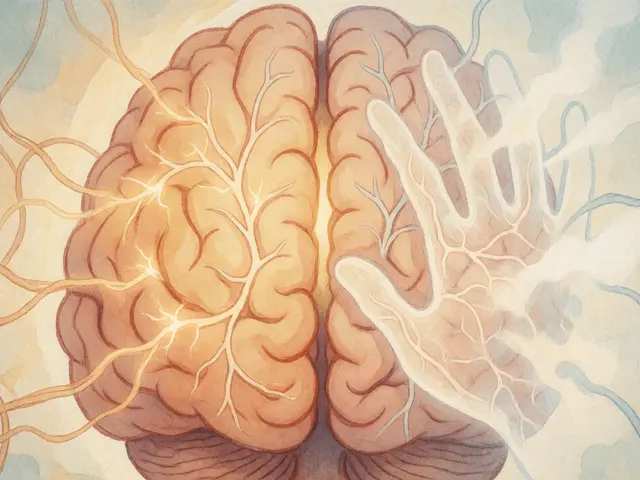
Younger people might get stomach upset or a rash from a bad reaction. Older adults? Their symptoms are subtler-and often mistaken for aging. - Falls: 20-30% of falls in seniors are directly linked to medication side effects. Dizziness from blood pressure meds, confusion from anticholinergics, or weakness from diuretics can all lead to a trip to the ER. - Confusion or memory problems: Is it dementia-or is it the antihistamine in their nighttime allergy pill? Many older adults are on drugs that block acetylcholine, a brain chemical vital for memory. That includes some sleep aids, bladder medications, and even certain antihistamines. - Weight loss or gain: A sudden 10-pound drop? Could be a side effect of an antidepressant or a poorly managed diabetes drug. Weight gain? Might be from steroids or certain antipsychotics. - Loss of appetite or nausea: Often dismissed as "just getting older," but could be from a new statin or antibiotic. - Urinary retention or incontinence: Common with anticholinergics or opioids. Seniors may not report it, thinking it’s normal. These aren’t "normal aging." They’re warning signs.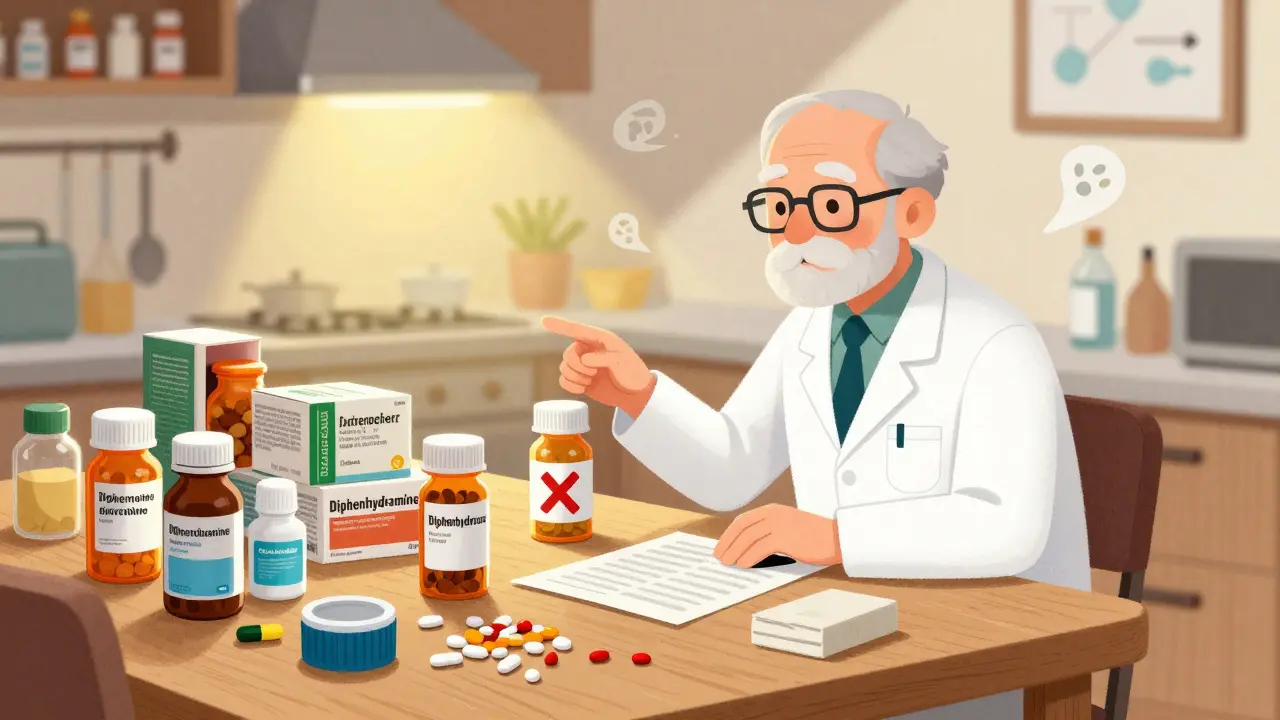
The Beers Criteria: A Lifesaving Tool
Since 1991, the American Geriatrics Society has published the Beers Criteria-a list of medications that are potentially inappropriate for older adults. It’s updated regularly, with the latest revision in 2019. The list isn’t just "avoid these drugs." It’s nuanced. For example: - Propoxyphene: Withdrawn in the U.S. for a reason-it’s weak for pain but strong for side effects. - Indomethacin: An NSAID with the highest rate of brain-related side effects in seniors-confusion, hallucinations, depression. - Glyburide: A diabetes drug that can cause dangerous low blood sugar in older adults, especially those with irregular eating habits. - Megestrol (Megace): Used for appetite stimulation, but linked to blood clots and death in frail seniors. - Sliding-scale insulin: A common but risky way to manage blood sugar in hospitals. It leads to dangerous highs and lows. The Beers Criteria also warn against using certain drugs in specific conditions: - Avoid acetylcholinesterase inhibitors (like donepezil) in people with slow heart rates or a history of fainting. - Don’t use glitazones (pioglitazone, rosiglitazone) if someone has heart failure. - Avoid SSRIs if the patient has already had a fall or fracture. These aren’t arbitrary rules. They’re based on decades of data showing real harm.What Doctors Miss-and What Patients Can Do
Many clinicians still rely on outdated practices. They see a symptom-say, confusion-and treat it as dementia. They don’t ask: "What did you start taking last month?" Patients can help change that. Keep a full list of everything you take: - All prescription drugs - Over-the-counter painkillers, sleep aids, antacids - Vitamins, herbal supplements (like St. John’s Wort, ginkgo, or garlic pills) - Even topical creams or patches Bring this list to every appointment-even if you see different doctors. Pharmacists are especially good at spotting interactions. Ask them to review your list at least once a year. If you notice new dizziness, memory lapses, or unexplained weight changes, say so. Don’t assume it’s just aging. Say: "Could this be from one of my meds?"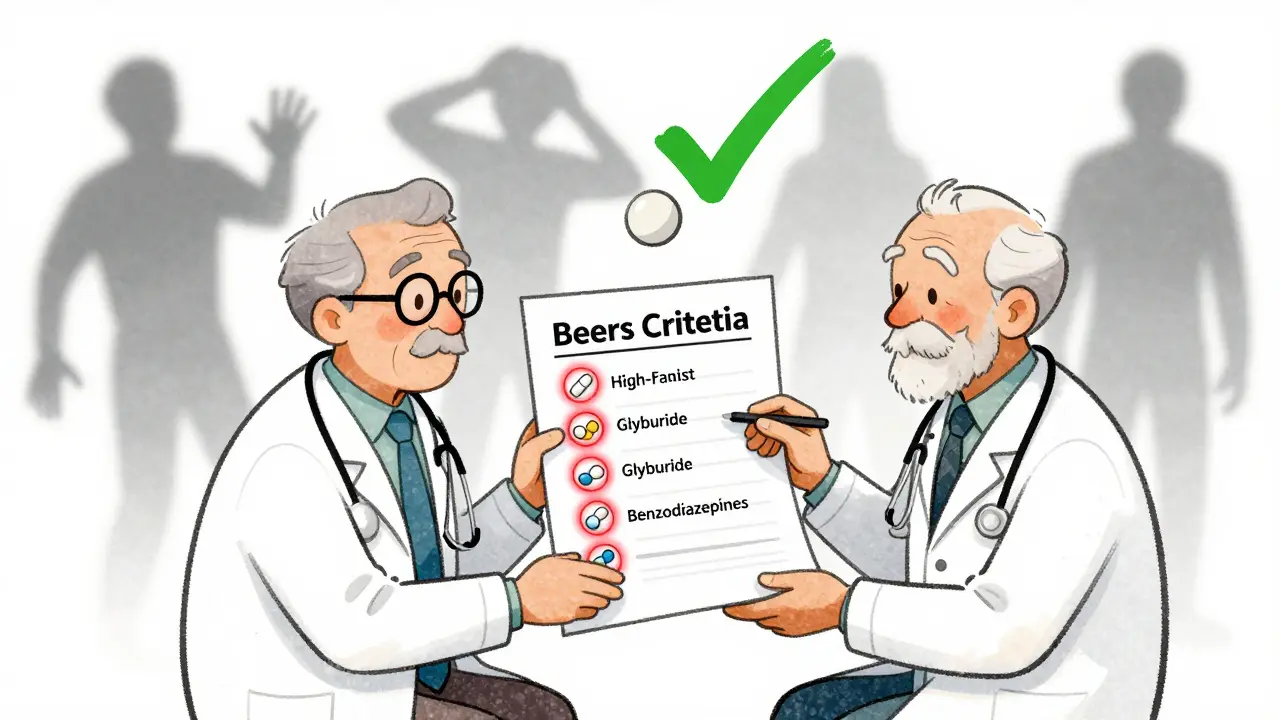
Deprescribing: Less Can Be More
Sometimes, the safest choice isn’t adding a new drug-it’s stopping one. Deprescribing means carefully reducing or stopping medications that may no longer be needed-or that do more harm than good. Examples: - A 78-year-old on a statin for high cholesterol with no history of heart disease-after age 75, the benefit drops sharply. - A 70-year-old on a daily benzodiazepine for sleep for 10 years-long-term use increases dementia risk. - A resident in a nursing home on multiple antipsychotics for "behavioral issues"-many of these drugs are prescribed without proper diagnosis. Deprescribing isn’t about stopping everything. It’s about asking: "Is this still helping?" Studies show that when done carefully-with monitoring and patient input-deprescribing reduces falls, confusion, and hospital visits. It improves quality of life.The Bigger Picture: Why This Matters
By 2030, nearly 1 in 5 Americans will be over 65. That’s 95 million people. Most will be on multiple medications. Adverse drug reactions send over 100,000 seniors to the hospital every year in the U.S. Half of those are preventable. The cost? Over $3.5 billion annually. This isn’t just a medical issue. It’s a systemic one. Hospitals, pharmacies, and clinics need better tools. But change starts with awareness. Seniors aren’t a burden. They’re people who deserve safe, effective care. That means matching drugs to their changing bodies-not treating them like younger patients with wrinkles.What to Do Next
If you or a loved one is over 65 and on multiple medications:- Make a complete list of all medications, including supplements and OTC drugs.
- Ask your doctor or pharmacist: "Are any of these on the Beers Criteria list?"
- Ask: "Is there a safer alternative?"
- Ask: "Could any of these be stopped safely?"
- Report any new symptoms-dizziness, confusion, falls, memory lapses-immediately.
Why are older adults more sensitive to medication side effects?
Older adults experience physiological changes that affect how drugs are absorbed, distributed, metabolized, and eliminated. Liver blood flow decreases by 30-40% between ages 25 and 75, kidney function declines steadily after 40, and body fat increases while water content drops. These changes cause medications to stay in the body longer, leading to higher concentrations and prolonged effects-even at normal doses.
What are the most dangerous medications for seniors?
According to the 2019 Beers Criteria, high-risk medications include propoxyphene (withdrawn but still found in some homes), indomethacin (causes confusion and hallucinations), glyburide (risk of severe low blood sugar), megestrol (linked to blood clots and death in frail seniors), and sliding-scale insulin (leads to dangerous glucose swings). Benzodiazepines, anticholinergics, and certain SSRIs also carry high fall and cognitive risks.
Can over-the-counter drugs cause side effects in the elderly?
Yes. Many OTC products contain anticholinergics-like diphenhydramine (Benadryl) or doxylamine (Unisom)-which can cause confusion, memory loss, urinary retention, and constipation. NSAIDs like ibuprofen increase bleeding risk, especially with blood thinners. Even sleep aids and cold medicines can interact dangerously with prescription drugs. Always check labels and talk to a pharmacist before taking anything new.
What is deprescribing, and is it safe?
Deprescribing is the planned, gradual reduction or stopping of medications that may no longer be beneficial or may be causing harm. It’s not about stopping all drugs-it’s about removing those that are unnecessary or risky. When done under medical supervision, with monitoring and patient input, deprescribing reduces falls, confusion, and hospitalizations. Many seniors report feeling clearer-headed and more energetic after removing inappropriate medications.
How can I help an elderly loved one manage their medications safely?
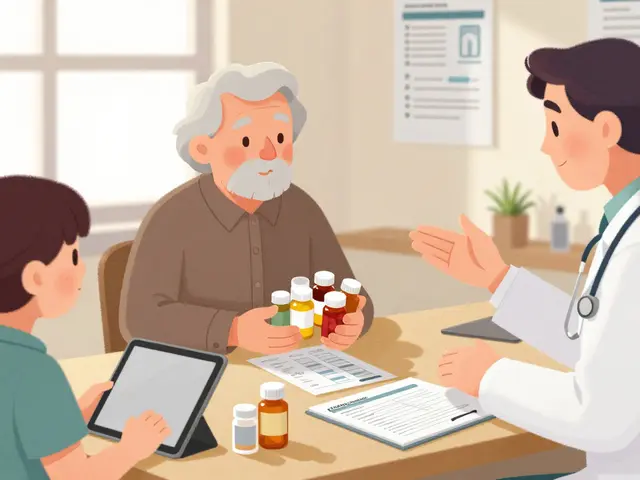
Help them keep a complete, up-to-date list of all medications, including supplements and OTCs. Accompany them to appointments and ask the doctor: "Is this still necessary?" Encourage them to report any new symptoms like dizziness, confusion, or falls. Consider using a pill organizer and setting reminders. Talk to their pharmacist about potential interactions. Most importantly, don’t assume new problems are just "part of aging."


Alexandra Enns
25 Jan 2026 at 06:44This article is laughably naive. You act like doctors are just clueless drones who don’t know what they’re doing. In reality, we’ve been overprescribing because the pharmaceutical industry funds half the studies and half the guidelines. The Beers Criteria? More like the Beers Corporate Propaganda List. I’ve seen 80-year-olds on 12 meds-yes, 12-and when we cut it down to 3, they started walking like they were 50 again. Stop blaming the system and start blaming the profit-driven machine behind it.