


NSAID Medication Safety Checker
Check Your Medication Safety
Enter the name of any medication (prescription or over-the-counter) to see if it contains NSAIDs and is unsafe for heart failure patients.
Enter a medication name and click "Check Safety" to see if it contains NSAIDs and is unsafe for heart failure patients.
Every year, millions of people reach for over-the-counter painkillers like ibuprofen or naproxen for a headache, back pain, or arthritic flare-up. But if you have heart failure, that simple pill could be setting off a chain reaction in your body - one that leads to swelling, weight gain, shortness of breath, and even a trip to the hospital. The connection isn’t just theoretical. It’s backed by decades of research, real-world hospital data, and warnings from global health agencies. And yet, many patients still don’t know the danger.
How NSAIDs Turn Up the Pressure on a Weak Heart
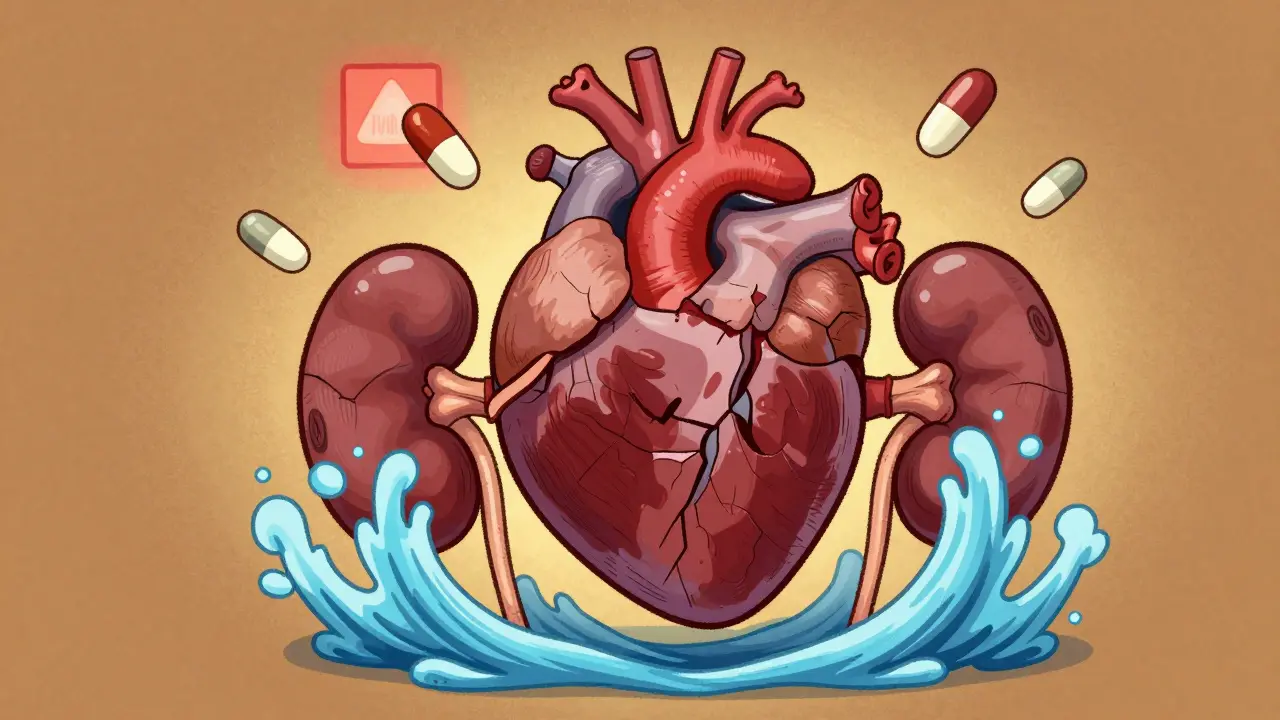
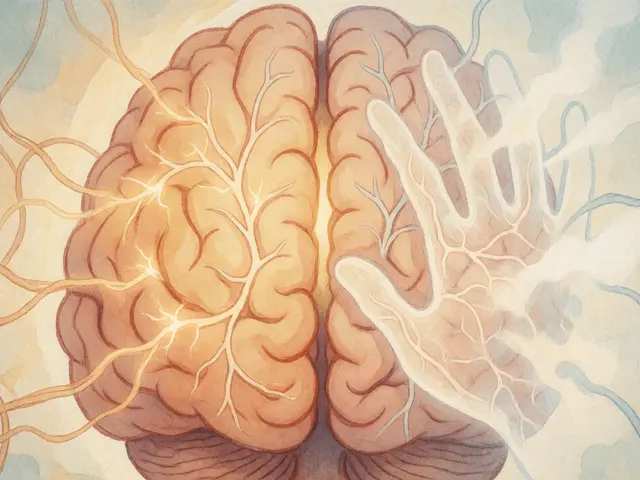
NSAIDs - non-steroidal anti-inflammatory drugs - work by blocking enzymes called COX-1 and COX-2. These enzymes help produce prostaglandins, chemicals that cause pain and inflammation. But prostaglandins also play a key role in keeping your kidneys functioning properly, especially when your heart is struggling.
In heart failure, the heart doesn’t pump blood effectively. Your body responds by holding onto fluid and salt to maintain blood pressure. Your kidneys rely on prostaglandins to help them filter out excess sodium and water. When you take an NSAID, you shut down those prostaglandins. The result? Your kidneys start holding onto even more fluid. That extra fluid doesn’t just sit around - it piles up in your lungs, legs, and abdomen. This is called fluid retention, and it’s a major trigger for heart failure decompensation.
Studies show that NSAIDs can reduce kidney blood flow by 20-30% in people with heart failure. That’s enough to cause measurable drops in kidney function, even in someone who’s been stable for months. And when kidney function drops, your heart has to work harder to push blood through. It’s a vicious cycle: weaker heart → more fluid → worse kidney function → more fluid → more strain on the heart.
It Doesn’t Take Long - Or Much
You might think you’re safe if you only take an NSAID once in a while. Think again. A 2022 study from Denmark tracked over 100,000 people with type 2 diabetes and heart failure. The results were startling: even a single dose of ibuprofen, naproxen, or celecoxib increased the risk of hospitalization for heart failure. The highest risk? The first week of use.
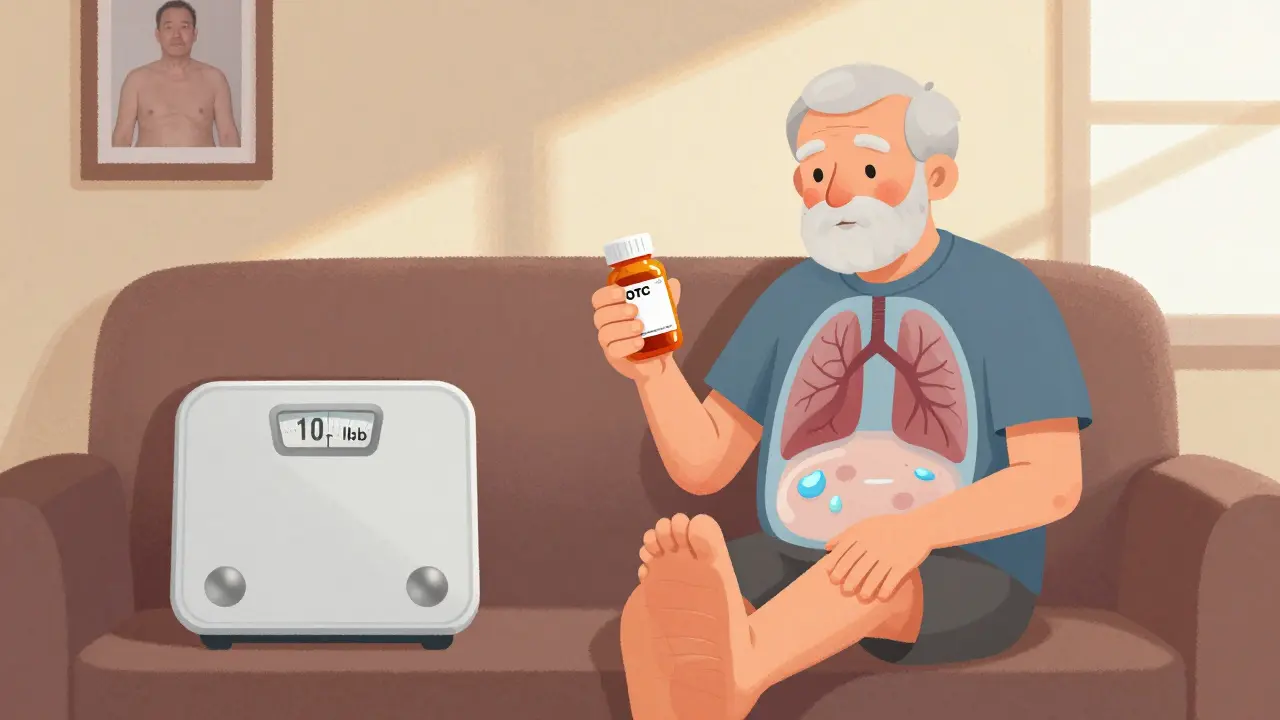
One patient in the study took two 400mg ibuprofen tablets for a sore knee. Within 72 hours, they gained 4.5 kg (10 lbs) of fluid weight. They were admitted to the hospital with worsening shortness of breath. This isn’t rare. A 2018 American Heart Association survey found that 37% of heart failure patients had taken NSAIDs without knowing the risk - and 62% of them ended up needing medical care.
Even short-term use matters. The European Heart Journal study confirmed that exposure as brief as 1-3 days was enough to spike hospitalization risk. There’s no safe window. No “just this once.”
All NSAIDs Carry the Same Risk - Even the “Safer” Ones
For years, people believed that COX-2 inhibitors like celecoxib (Celebrex) were safer for the heart. That idea was based on the belief that they didn’t affect stomach lining like older NSAIDs. But when it comes to heart failure, they’re just as dangerous.
Research from 2003 and updated in 2019 by New Zealand’s Medsafe agency made it clear: COX-2 inhibitors have the same effect on kidney prostaglandins as traditional NSAIDs. They cause the same sodium retention, the same drop in kidney filtration, and the same rise in hospitalization rates. The European Society of Cardiology’s 2021 guidelines state it plainly: all NSAIDs should be avoided in heart failure patients.
Some studies have suggested naproxen might carry a slightly lower risk than others, with a relative risk of 0.92 compared to 1.5-1.8 for ibuprofen or diclofenac. But even that small difference isn’t enough to call it safe. The bottom line: if you have heart failure, no NSAID is safe.
Who’s at Highest Risk?
It’s not just people with advanced heart failure. Even those with mild symptoms or preserved ejection fraction (meaning their heart pumps normally but still struggles) are vulnerable.
The biggest risk group? Older adults. One in five heart failure patients over 65 still get NSAID prescriptions within a year of diagnosis. Why? Because pain is common - arthritis, back pain, gout - and doctors sometimes don’t connect the dots. Elderly patients are also more likely to have reduced kidney function to begin with, making them even more sensitive to NSAID effects.
People with type 2 diabetes are another high-risk group. Diabetes already strains the kidneys. Add an NSAID, and the risk of fluid overload jumps. The Danish study found that T2DM patients on NSAIDs had up to an 88% higher chance of heart failure hospitalization.
What Happens When You Take NSAIDs?
The symptoms don’t always come slowly. Many patients notice them within days:
- Sudden swelling in ankles, legs, or abdomen
- Unexplained weight gain (2-5 kg in a week)
- Increased shortness of breath, especially when lying down
- Worsening fatigue or dizziness
- Need for higher doses of diuretics (water pills)
One Reddit user shared how they took ibuprofen for a sprained wrist. Three days later, they couldn’t button their shirt. Their weight had jumped 10 pounds. Their doctor told them: “This isn’t just water weight. This is your heart failing.”
What Should You Take Instead?
Acetaminophen (paracetamol) is the go-to alternative. It doesn’t affect prostaglandins in the kidneys, so it doesn’t cause fluid retention. It’s not an anti-inflammatory, so it won’t help with swelling from arthritis - but it’s safe for pain relief.
For chronic pain like osteoarthritis, non-drug options work better long-term: physical therapy, heat packs, weight management, or even acupuncture. If you need stronger pain control, talk to your doctor about alternatives like low-dose opioids (used cautiously) or nerve-targeted medications.
And don’t forget: many cold and flu medicines, menstrual relief tablets, and topical gels contain NSAIDs too. Always check the ingredients. “Pain relief” on the label doesn’t mean safe.
What Doctors Should Do - But Often Don’t
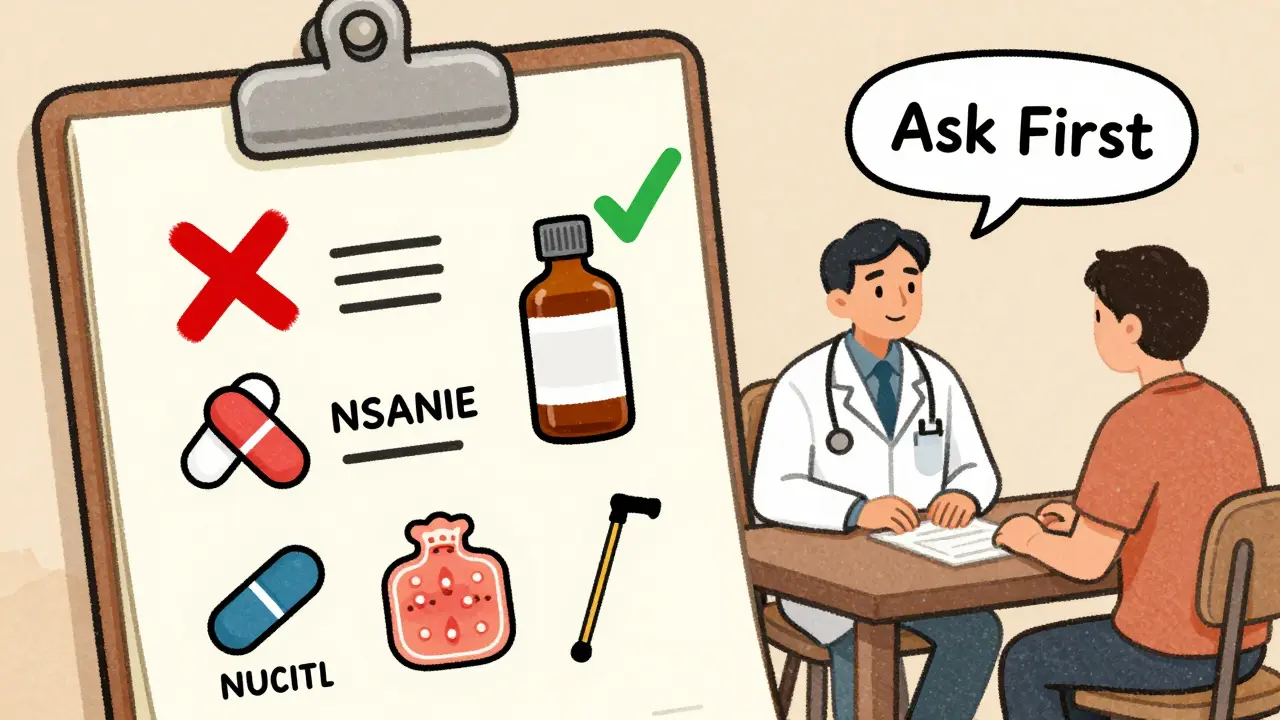
Guidelines are clear. The European Society of Cardiology, the American Heart Association, and the U.S. FDA all say: avoid NSAIDs in heart failure. The FDA required updated labels on all NSAID packaging in 2020, explicitly warning of increased heart failure risk.
But in practice? Many doctors still don’t ask. A 2021 survey found that only 43% of primary care physicians routinely screen heart failure patients for NSAID use during medication reviews. That’s a gap between evidence and action.
Patients often don’t realize OTC drugs are risky. They think “if it’s sold over the counter, it’s safe.” Family members might even hand them a bottle of ibuprofen “for the pain.” That’s why education is critical. The American College of Cardiology is developing a mobile app for heart failure patients that will send alerts when they try to order or refill an NSAID - launching in Q2 2025.
The Bigger Picture: Why This Keeps Happening
The global NSAID market is worth over $11 billion. Most of that comes from over-the-counter sales. It’s easy to buy. Easy to forget. Easy to assume it’s harmless.
But for heart failure patients, the cost isn’t just financial. It’s physical. The 2024 Global Heart Failure Registry found that patients exposed to NSAIDs within 30 days of hospital discharge had a 28% higher chance of being readmitted within 30 days. That’s not a coincidence. It’s a direct consequence.
There’s no debate left. The science is settled. The risks are real. The consequences are severe. And the solution is simple: avoid NSAIDs completely if you have heart failure.
Can I take one ibuprofen if I have heart failure?
No. Even a single dose can trigger fluid retention and worsen heart failure. Studies show hospitalization risk rises within 24-72 hours of taking any NSAID, including ibuprofen. There is no safe amount for someone with heart failure.
Is naproxen safer than ibuprofen for heart failure?
Naproxen may carry a slightly lower risk than ibuprofen or diclofenac, but it’s still not safe. All NSAIDs block kidney prostaglandins, leading to fluid retention. Even if one drug has marginally better numbers in a study, the risk remains too high to justify use in heart failure patients.
Why do NSAIDs cause fluid retention?
NSAIDs block the production of prostaglandins in the kidneys. These chemicals normally help the kidneys flush out sodium and water. Without them, the kidneys hold onto salt and fluid, increasing blood volume and putting extra pressure on the heart - which can trigger heart failure symptoms like swelling and shortness of breath.
What’s the safest pain reliever for heart failure patients?
Acetaminophen (paracetamol) is generally considered the safest option for pain relief in heart failure. It doesn’t affect kidney prostaglandins or cause fluid retention. However, it doesn’t reduce inflammation, so it won’t help with swelling from arthritis. Always check with your doctor before taking any medication.
Can NSAIDs cause heart failure in someone who doesn’t have it?
NSAIDs don’t directly cause heart failure in healthy people. But they can raise blood pressure and cause fluid retention, which may worsen early, undiagnosed heart problems. In people with risk factors like high blood pressure, diabetes, or kidney disease, long-term NSAID use may contribute to developing heart failure over time.
How can I tell if an OTC medicine contains NSAIDs?
Check the “Active Ingredients” section on the label. Common NSAIDs include ibuprofen, naproxen, diclofenac, ketoprofen, and celecoxib. Many cold, flu, and menstrual relief products combine NSAIDs with other ingredients. If it says “pain reliever,” “anti-inflammatory,” or “for swelling,” it likely contains an NSAID.
What to Do Next
If you have heart failure, stop using NSAIDs. Period. Replace them with acetaminophen for pain. Talk to your doctor about non-drug options for chronic pain. Make sure your family and caregivers know which medications to avoid. Keep a list of all your meds - including supplements and OTC products - and review it with your doctor every visit.
Heart failure is manageable. But one wrong pill can undo months of progress. Don’t let a simple painkiller become the reason you end up back in the hospital.



Adam M
14 Mar 2026 at 13:25NSAIDs = heart failure accelerant. Stop pretending OTC means safe. Your knee pain isn't worth a hospital stay.
Done.