


Diphenhydramine Toxicity Estimator
Calculated Dosage Intake
Assessment:
Enter values to see analysis.
Potential Symptoms at This Level:
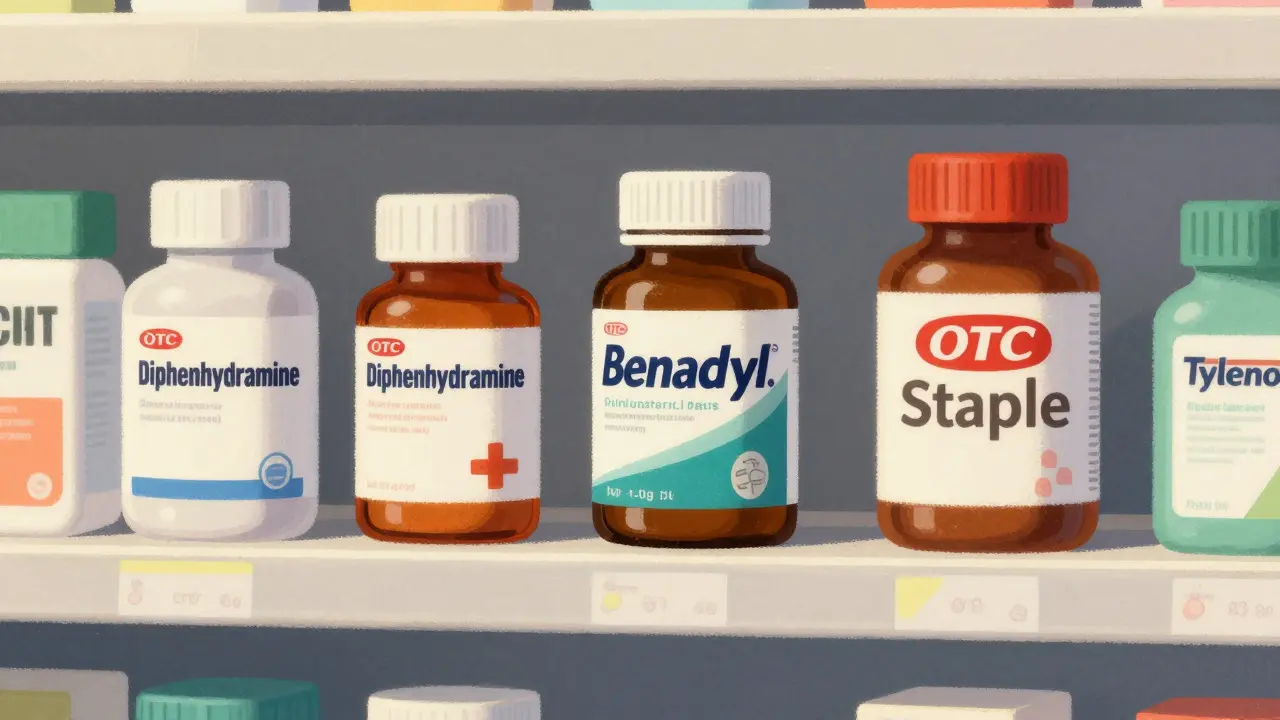
It sits on almost every pharmacy shelf. It’s the go-to fix for a bad itch, seasonal allergies, or a rough night of sleep. But diphenhydramine is a first-generation antihistamine that can cause severe toxicity and life-threatening complications when taken in excess. When people take too much-whether by accident or chasing a high-the result isn’t just drowsiness. It’s a medical crisis known as anticholinergic toxidrome.
In 2022 alone, U.S. poison control centers handled over 12,000 calls related to diphenhydramine exposure. That number is climbing, driven largely by social media trends encouraging dangerous misuse among teens. If you suspect someone has overdosed, time is critical. This guide breaks down what happens inside the body, how to spot the warning signs, and exactly what emergency responders do to save lives.
The Hidden Danger of an OTC Staple
Diphenhydramine was developed in 1943 and approved by the FDA in 1946. For decades, it has been marketed under brand names like Benadryl, Nytol, and Tylenol PM. The standard therapeutic dose for adults is 25-50 mg every 4-6 hours. It seems safe because you don’t need a prescription.
However, safety margins are thinner than many realize. Toxic effects typically begin at doses exceeding 5 mg/kg. Life-threatening complications kick in above 20 mg/kg. To put that in perspective, a 70 kg (154 lb) adult could face severe toxicity after ingesting just 350 mg-roughly seven standard 50 mg capsules. Fatal outcomes are rare but documented, with mortality rates estimated at 0.5% in severe cases requiring intensive care.
The drug works by blocking H1 receptors, which stops histamine from causing allergic reactions. But it also blocks acetylcholine, a neurotransmitter that controls heart rate, digestion, and muscle movement. In small amounts, this causes mild sedation. In large amounts, it shuts down essential bodily functions, leading to the chaotic state known as anticholinergic toxicity.
Recognizing Anticholinergic Toxidrome
If someone has taken too much diphenhydramine, their body will display a specific set of symptoms. Medical professionals use a memorable mnemonic to identify this condition quickly:
- Dry as a bone: Severe dry mouth and lack of sweating.
- Red as a beet: Flushed, hot skin due to dilated blood vessels.
- Blind as a bat: Dilated pupils (mydriasis) causing blurred vision and light sensitivity.
- Mad as a hatter: Agitation, confusion, delirium, and terrifying hallucinations.
- Hot as hades: Hyperthermia, with temperatures potentially soaring past 104°F (40°C).
- Full as a flask: Urinary retention, where the bladder fills up but cannot empty.
Mild to moderate poisoning (5-20 mg/kg) usually presents with these classic signs. Patients may appear confused or agitated, pacing around while unable to recognize loved ones. Their skin will be dry and flushed, not sweaty, which distinguishes it from other types of drug overdoses like opioids or alcohol.
Severe toxicity (>20 mg/kg) escalates rapidly. You might see seizures, which occur in 15-20% of severe cases. Other life-threatening issues include hypotension (low blood pressure), dystonic reactions (involuntary muscle spasms), and cardiac arrhythmias. In extreme cases, rhabdomyolysis can develop, where muscle tissue breaks down and releases proteins that damage the kidneys, sometimes requiring dialysis.
Cardiac Risks: The Silent Killer
The most dangerous aspect of a diphenhydramine overdose is its effect on the heart. Diphenhydramine acts as a sodium channel blocker, similar to tricyclic antidepressants (TCAs). This interference disrupts the electrical signals that keep the heart beating regularly.
Emergency doctors look for two specific changes on an electrocardiogram (EKG):
- QRS widening: A QRS complex duration greater than 100 ms indicates significant sodium channel blockade. This slows conduction through the heart’s ventricles and increases the risk of fatal arrhythmias.
- QTc prolongation: A QTc interval exceeding 450 ms in males or 470 ms in females suggests delayed repolarization, raising the risk of Torsades de Pointes, a lethal heart rhythm disorder.
Tachycardia (rapid heart rate) is also common, often exceeding 140 beats per minute. Dr. Robert Hendrickson, a board-certified medical toxicologist, notes that diphenhydramine’s cardiac effects are often underestimated because people view it as a benign allergy pill. In reality, large quantities can be as dangerous as a TCA overdose.
Immediate Emergency Response Steps
If you suspect a diphenhydramine overdose, act fast. Do not wait for symptoms to worsen. Follow these steps:
| Step | Action | Reason |
|---|---|---|
| 1 | Call Emergency Services (911) | Professional medical intervention is required for monitoring and treatment. |
| 2 | Contact Poison Control | In the US, call 1-800-222-1222. They provide real-time guidance based on ingestion amount and patient status. |
| 3 | Check ABCs | Ensure Airway, Breathing, and Circulation are stable. Start CPR if unresponsive and not breathing. |
| 4 | Gather Information | Collect any remaining medication bottles. Note the approximate time and amount ingested. |
| 5 | Prevent Further Absorption | Do NOT induce vomiting unless instructed by poison control, as aspiration risk is high in sedated patients. |
While waiting for help, keep the person calm and cool. If they are hyperthermic, apply ice packs to the neck, armpits, and groin. Monitor their breathing closely. If they become unconscious, place them in the recovery position to keep their airway open.
Hospital Treatment Protocols
Once in the emergency department, treatment is entirely symptom-directed. There is no single "antidote" that reverses everything, but several targeted therapies manage specific complications.
Benzodiazepines are the first-line defense for agitation and seizures. Doctors administer diazepam (5-10 mg IV) or lorazepam (2-4 mg IV) to calm the central nervous system and stop convulsions. These drugs also help lower heart rate and blood pressure indirectly by reducing sympathetic nervous system overactivity.
For cardiac toxicity, sodium bicarbonate is crucial. If the EKG shows QRS widening >100 ms, doctors give a bolus of 1-2 mEq/kg followed by a continuous infusion. This alkalizes the blood and competes with diphenhydramine for sodium channels, restoring normal heart conduction. For QTc prolongation >500 ms, magnesium sulfate (2 g IV) is administered to stabilize the heart rhythm.
Physostigmine is a specialized antidote for severe anticholinergic delirium. It is a reversible acetylcholinesterase inhibitor that crosses the blood-brain barrier, effectively reversing the "mad as a hatter" symptoms. A retrospective study showed 87% improvement in delirium with physostigmine compared to only 24% with benzodiazepines alone. However, it is contraindicated if the patient has heart block or recent seizures, so careful cardiac monitoring is mandatory before administration.
Supportive care includes intravenous fluids for hydration and blood pressure support, urinary catheterization for retention, and active cooling measures for hyperthermia. In refractory cases of cardiovascular collapse, intravenous lipid emulsion therapy or ECMO (extracorporeal membrane oxygenation) may be used as last resorts.
The Rise of Social Media Challenges
A disturbing trend has emerged in recent years: the "Benadryl Challenge." Popularized on platforms like TikTok and Instagram, this challenge encourages adolescents to consume massive doses of diphenhydramine to achieve hallucinogenic effects. The 2022 National Poison Data System reported a 300% increase in intentional overdoses among 13-19-year-olds between 2018 and 2022.
Social media posts often downplay the risks, showing users laughing off the experience. Reality is far grimmer. Reddit discussions reveal accounts of "terrifying hallucinations," inability to move, and waking up in ERs with catheters and IVs after taking 300-600 mg. One user described losing days of memory and suffering prolonged confusion for weeks.
This misuse highlights a gap in public understanding. Many young people do not realize that an over-the-counter allergy medicine can shut down their heart or brain. Community education efforts, such as the American Academy of Pediatrics' "Don't Take the Benadryl Challenge" campaign, aim to counter these myths. Parents should check medicine cabinets and talk openly with teens about the dangers of self-medicating for recreational highs.
Recovery and Long-Term Outlook
Most patients recover fully with prompt medical attention. The half-life of diphenhydramine is 4-8 hours, but its effects can linger longer in overdose situations due to slowed metabolism. Observation periods typically last 4-6 hours after symptoms resolve. Extended monitoring is required for anyone with cardiac abnormalities.
Common post-discharge complaints include residual fatigue, mild confusion, and temporary urinary issues. Rhabdomyolysis, if present, requires several days of hydration and kidney function monitoring. Acute kidney injury is rare but possible if muscle breakdown was severe.
Psychological follow-up is important for those who overdosed intentionally. Addressing underlying mental health issues prevents recurrence. For accidental ingestions, especially in children, childproofing medicine storage is essential. Keep all medications out of reach and sight.
How much diphenhydramine is considered an overdose?
Toxic effects generally start at doses exceeding 5 mg/kg of body weight. For an average adult, this means more than 350-400 mg can cause significant symptoms. Doses above 20 mg/kg are considered life-threatening and require immediate emergency care.
What are the first signs of a Benadryl overdose?
Early signs include extreme drowsiness, dry mouth, flushed skin, dilated pupils, and confusion. As toxicity worsens, patients may experience rapid heartbeat, high fever, urinary retention, and hallucinations.
Can you die from a diphenhydramine overdose?
Yes, though it is rare. Death usually results from cardiac arrhythmias, seizures, or respiratory failure. Mortality rates are estimated at 0.5% in severe cases requiring intensive care. Prompt medical treatment significantly reduces this risk.
Is there an antidote for diphenhydramine toxicity?
There is no universal antidote, but physostigmine can reverse severe anticholinergic delirium. Benzodiazepines treat agitation and seizures, while sodium bicarbonate addresses cardiac conduction delays. Treatment is primarily supportive and symptom-based.
Why is the "Benadryl Challenge" dangerous?
The challenge involves taking massive doses to induce hallucinations, ignoring the drug's potent anticholinergic effects. This can lead to loss of consciousness, seizures, heart rhythm disturbances, and even death. Social media often masks the severe medical consequences seen in emergency rooms.
Write a comment