

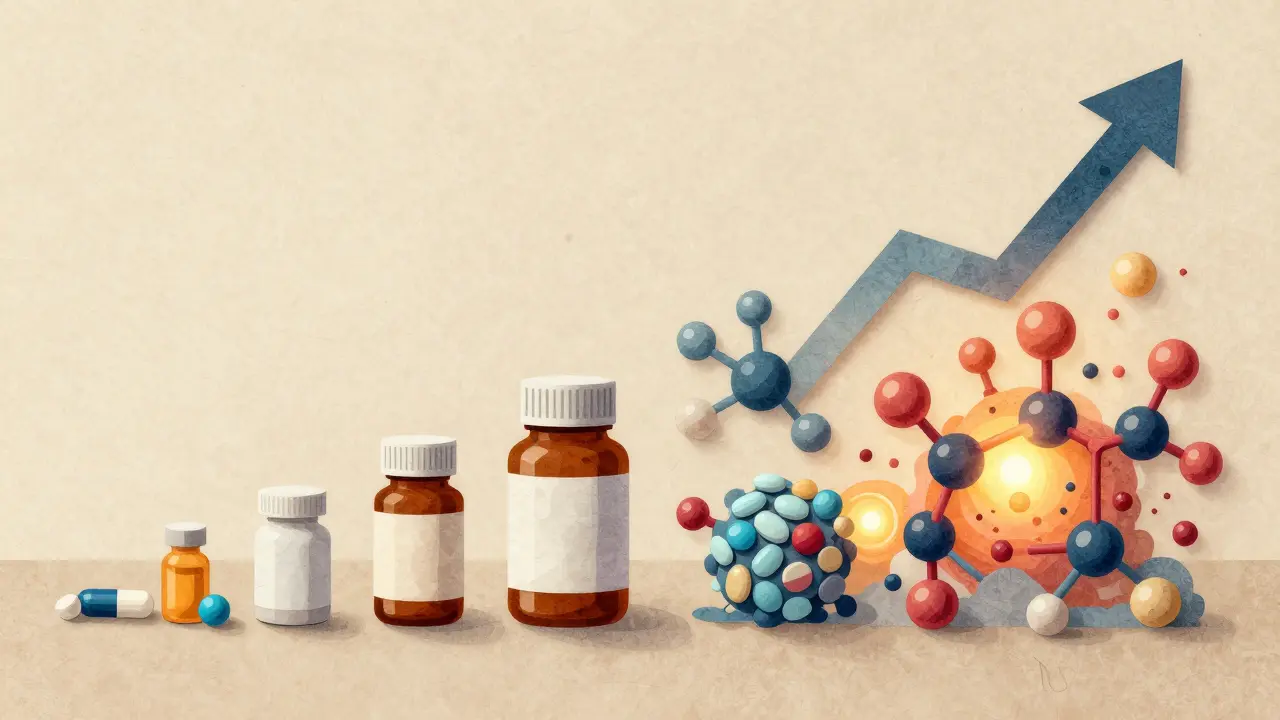

The global generic drug market is standing at a critical crossroads. For decades, these affordable alternatives to branded medicines have been the backbone of healthcare systems worldwide, offering cost savings that keep hospitals and patients from going bankrupt. But the landscape is shifting rapidly as we move through 2026. The easy wins-simple small-molecule copies-are largely gone. Now, manufacturers are facing a complex new reality defined by rising manufacturing costs, stringent quality controls, and a pivot toward more complex biological products.
If you are looking at where this industry is heading between now and 2030, the answer isn't just about lower prices anymore. It’s about survival, consolidation, and the strategic race to produce biosimilars. The gap between who can make these drugs and who cannot is widening, creating winners and losers in a market valued at over $435 billion.
The Core Value Proposition: Beyond Just Price
At its heart, Generic Drugs are pharmaceutical products containing the same active ingredients as branded drugs, sold at significantly lower prices after patent expiration. This definition hasn’t changed since the U.S. Hatch-Waxman Act of 1984 established the modern approval pathway. However, the economic impact has intensified. According to FDA data from 2024, generic drugs typically cost 80-85% less than their branded counterparts. In the United States alone, generics account for 90% of prescriptions but only 23% of total pharmaceutical spending. That is a massive efficiency engine for any healthcare system.
Yet, the growth story is changing. While BCC Research projected the market would hit $655.8 billion by 2028 (an 8.5% CAGR), newer forecasts from ForInsights Consultancy (2025) suggest a slowdown, predicting a more conservative 5.68% CAGR through 2034. Why the deceleration? Because the low-hanging fruit is gone. The simple pills that were cheap to copy are being replaced by complex therapies that require sophisticated manufacturing. The value proposition is still affordability, but the cost to deliver that value is rising sharply.
The Rise of Biosimilars: The New Frontier
The most significant trend reshaping the generic market is the shift from small molecules to large molecules, specifically Biosimilars are biological medicinal products similar to an already approved reference biological medicine. Unlike traditional generics, which are exact chemical copies, biosimilars are highly similar to original biologic drugs but not identical due to the complexity of their production in living cells.
This transition creates a steep barrier to entry. Producing a biosimilar requires 10 to 20 times more manufacturing steps than a conventional generic. Development costs range from $100 million to $250 million, compared to just $1-5 million for standard generics. Consequently, the discount is smaller-biosimilars usually price 15-30% below the reference biologic, rather than the 80-85% drop seen with small molecules. Despite this, Mordor Intelligence projects biosimilars will grow at a 12.3% CAGR from 2025 to 2030. Companies that invest in this technology now will dominate the next decade; those that stick to legacy small-molecule production risk obsolescence.
| Feature | Traditional Generics (Small Molecules) | Biosimilars (Large Molecules) |
|---|---|---|
| Development Cost | $1 - $5 Million | $100 - $250 Million |
| Manufacturing Complexity | Low (Chemical Synthesis) | High (Cell Culture/Biological) |
| Price Discount vs Brand | 80% - 85% | 15% - 30% |
| Growth Rate (CAGR) | ~2-5% (Developed Markets) | ~12.3% (Projected 2025-2030) |
| Market Share (2024) | 57.56% of Pharma Revenue | Rapidly Growing Segment |
Pharmerging Markets: The New Growth Engines
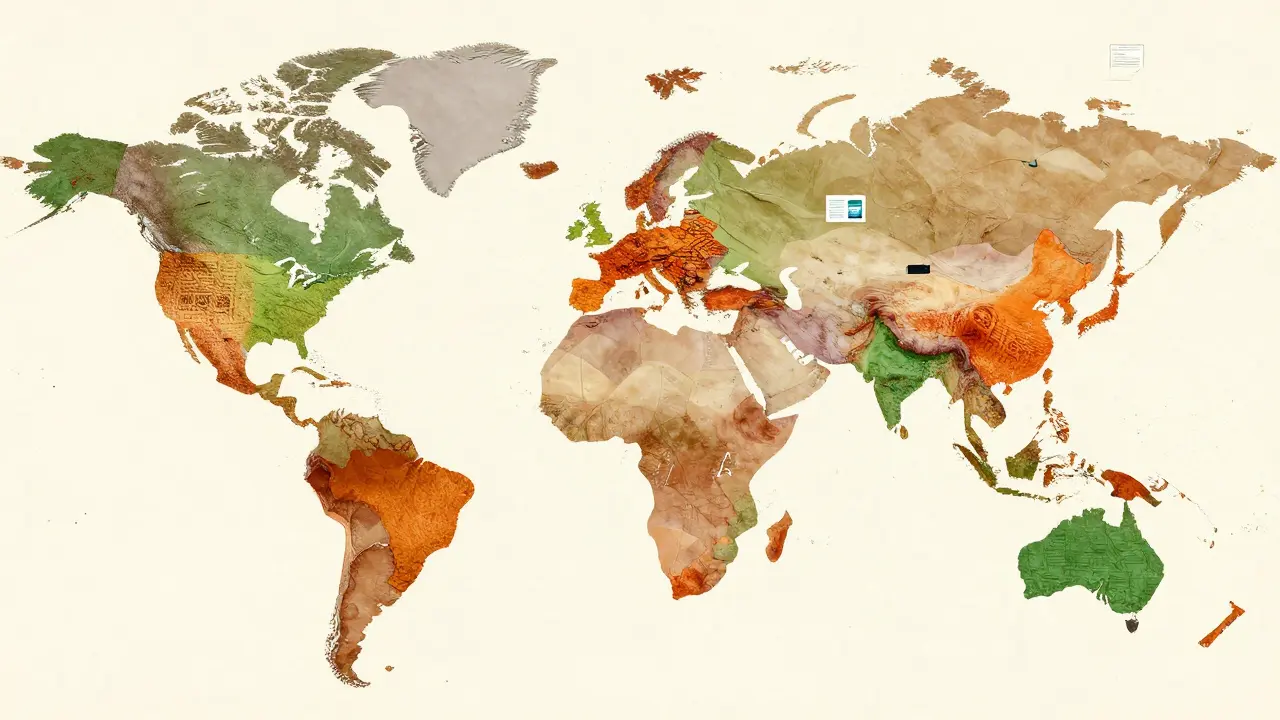
While North America and Western Europe see slower growth (2-5% CAGR) due to strict price caps and reimbursement policies, the real momentum is coming from "pharmerging" markets. These include countries like India, China, Brazil, Russia, and Turkey. IQVIA estimates these regions will contribute approximately $140 billion in increased spending by 2025. Mordor Intelligence notes that pharmerging markets are growing at a robust 9.66% CAGR from 2025 to 2030.
Why is this happening? Three main factors drive this surge:
- Expanding Insurance Coverage: Governments in emerging economies are rolling out national health insurance schemes, increasing access to care.
- Rising Chronic Disease Burden: As populations age and lifestyles change, rates of diabetes, cardiovascular disease, and cancer are climbing. Dr. Rajiv Shah of the World Bank noted that these nations will play a defining role in global pharma growth due to these healthcare reforms.
- Local Manufacturing Push: Countries like India and Saudi Arabia are investing heavily in domestic production to reduce import dependency. India’s Production Linked Incentive (PLI) scheme allocated $1.34 billion in 2024 to boost local pharmaceutical manufacturing.
In contrast, developed markets like Germany have high generic penetration (72%), while others like Italy lag behind (28%). This disparity highlights how policy dictates market size. If you are a manufacturer, the strategy is clear: diversify into pharmerging regions where volume growth outweighs margin pressure.
Supply Chain Vulnerabilities and Quality Control
A major risk lurking beneath the surface of market growth is the fragility of the global supply chain. Currently, China supplies approximately 65% of the world’s Active Pharmaceutical Ingredients (APIs) for generics. India produces over 60,000 generic medicines and supplies 20% of the world’s volume. This concentration creates a single point of failure. Any geopolitical tension or regulatory crackdown can disrupt global access to essential medicines.
Quality control remains a persistent headache. Dr. Elena Rodriguez of the FDA warned in 2024 that 40% of warning letters issued that year were related to foreign manufacturing facilities. The FDA issued 187 warning letters to foreign generic manufacturers in 2023 alone. For buyers and regulators, this means that price is no longer the only metric. Reliability and compliance are becoming premium attributes. Manufacturers who fail to meet international standards face exclusion from lucrative markets, particularly in the US and EU.
Consolidation and Strategic Partnerships
The era of the small, independent generic player is ending. Dr. Sarah Thompson of KPMG stated that manufacturers must "become bigger, eliminate middlemen, and develop innovative service models." We saw this in action in 2024, with 37 major partnership announcements between multinationals and local firms. Evaluate Pharma reports that these collaborations are accelerating as companies seek to share the high costs of biosimilar development and navigate complex regulatory landscapes.
Profit margins are shrinking-from 18% in 2020 to 12% in 2024, according to KPMG. To survive, companies are merging or partnering. If you are an investor or executive, look for companies with strong balance sheets capable of acquiring smaller rivals or investing in advanced biologics infrastructure. Those without scale will likely be squeezed out by price wars in commoditized segments.
Regulatory Harmonization: A Double-Edged Sword
On the positive side, regulatory harmonization is making life easier for manufacturers. The International Council for Harmonisation (ICH) saw 15 additional countries join its guidelines in 2024. This means a drug approved under ICH standards faces fewer hurdles when entering new markets. However, with 78 distinct regulatory frameworks still existing globally (per WHO 2024 data), navigating compliance remains a costly endeavor. The trend is toward stricter oversight, not looser rules. Expect more inspections, more data requirements, and higher barriers to entry for new players.
Future Outlook: What to Watch Through 2030
As we look toward 2030, several key trajectories will define the generic market:
- Biosimilar Dominance: As patents on blockbuster biologics expire, biosimilars will capture a larger share of the therapeutic landscape.
- API Diversification: Governments will push for API manufacturing outside of China to mitigate supply risks, potentially boosting production in India, Southeast Asia, and even back in the West.
- Digital Integration: AI and digital tools will optimize manufacturing processes, reducing the high costs associated with biosimilar production.
- Declining Market Share: Grand View Research predicts generics’ share of total pharma revenue may drop from 57.56% in 2024 to 53% by 2030 as specialty drugs gain prominence. Volume will grow, but relative importance may shift.
The future belongs to agile, well-capitalized manufacturers who can bridge the gap between affordable care and complex science. For healthcare systems, the message is consistent: generics remain essential for sustainability, but ensuring their quality and availability requires proactive supply chain management.
What is the projected growth rate of the global generic drug market?
Forecasts vary. BCC Research projects an 8.5% CAGR reaching $655.8 billion by 2028, while ForInsights Consultancy suggests a slower 5.68% CAGR through 2034. Pharmerging markets are expected to grow faster at 9.66% CAGR from 2025-2030.
How do biosimilars differ from traditional generic drugs?
Traditional generics are chemically identical copies of small-molecule drugs. Biosimilars are highly similar to complex biological drugs produced in living cells. They require more expensive development ($100-250M vs $1-5M) and offer smaller price discounts (15-30% vs 80-85%).
Which countries are leading in generic drug manufacturing?
India and China are the dominant forces. India produces over 60,000 generic medicines and supplies 20% of global volume. China manufactures approximately 40% of global Active Pharmaceutical Ingredients (APIs).
What are the main challenges facing generic manufacturers?
Key challenges include shrinking profit margins (down to 12% in 2024), strict quality control regulations (with many FDA warning letters issued), supply chain dependencies on China for APIs, and the high cost of transitioning to biosimilar production.
Why are pharmerging markets important for the generic industry?
Pharmerging markets (e.g., India, Brazil, Turkey) are driving incremental growth due to expanding insurance coverage, rising chronic disease rates, and government initiatives to boost local manufacturing. They are expected to contribute $140 billion in increased spending by 2025.




amit kumar
18 May 2026 at 09:59Great insights on the shift towards biosimilars! 🧬 As someone working in pharma manufacturing in India, I can confirm that the PLI scheme is indeed changing the landscape. The government push for local API production is crucial for reducing our dependency on Chinese imports. It's exciting to see how digital integration and AI are starting to optimize these complex biological processes. The future looks promising for regions like Southeast Asia too! 🚀💊