

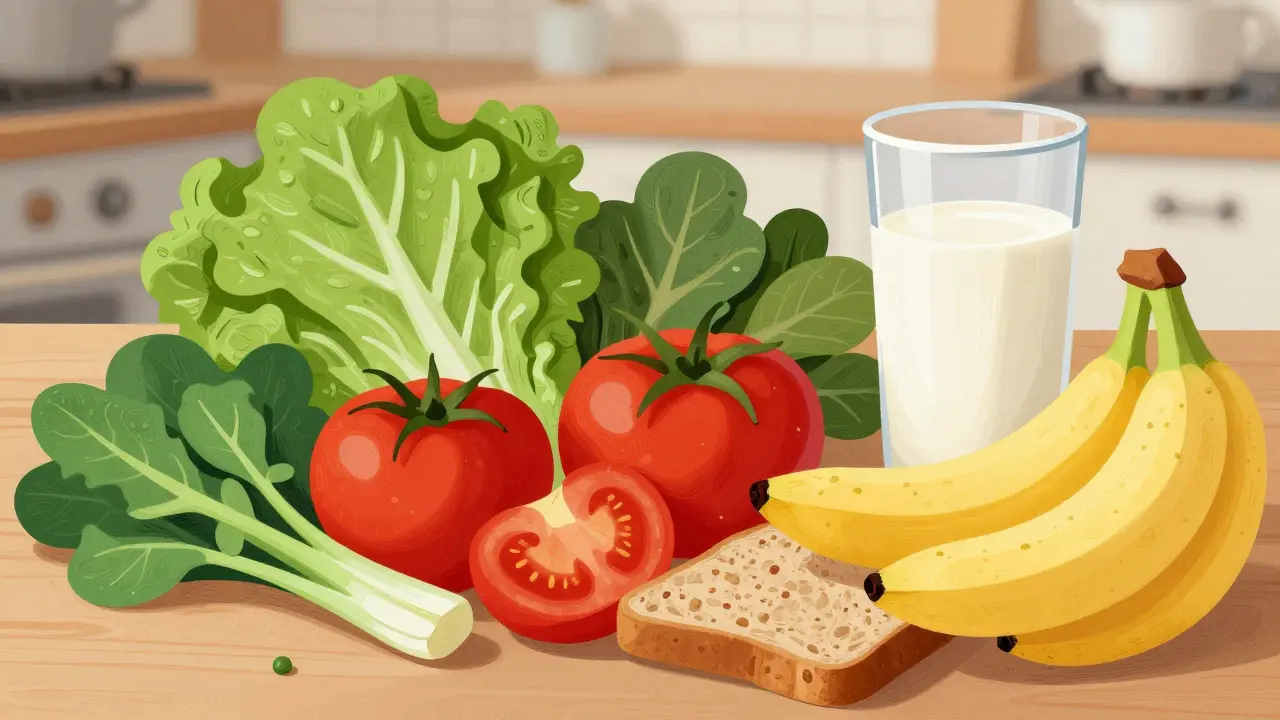

High blood pressure is often called the "silent killer" because it rarely shows symptoms until serious damage occurs. If you are looking for a way to manage your blood pressure without immediately relying on medication, or if you want to shed a few pounds while improving your heart health, the DASH diet is a scientifically validated eating plan designed to stop hypertension through specific food choices. Developed by the National Heart, Lung, and Blood Institute (NHLBI), this approach isn't just another fad. It is backed by decades of clinical trials involving thousands of participants. But here is the catch: most people think DASH is only for lowering blood pressure. They miss out on its significant potential for sustainable weight management.
The truth is that DASH works on two fronts. It aggressively targets the sodium and saturated fats that raise blood pressure, while simultaneously filling your plate with nutrient-dense foods that naturally regulate appetite. You don't need to count calories obsessively, but you do need to understand how specific food groups interact with your body's vascular system. Let’s break down exactly how this diet works, what you should eat, and how to make it stick long-term.
What Is the DASH Diet and Why Does It Work?
The acronym DASH stands for Dietary Approaches to Stop Hypertension. It was created in the 1990s following landmark studies published in 1997 and 2001. The core idea is simple: change what you eat to change how your blood vessels function. Unlike restrictive diets that cut out entire macronutrients, DASH focuses on abundance. It emphasizes fruits, vegetables, whole grains, lean proteins, and low-fat dairy. At the same time, it restricts red meat, sweets, and sugar-sweetened beverages.
Why does this combination work? Sodium causes your body to retain water, which increases the volume of blood flowing through your arteries. This extra volume puts pressure on artery walls. By limiting sodium and increasing potassium-rich foods like bananas and spinach, DASH helps your kidneys flush out excess sodium and relaxes blood vessel walls. Clinical trials show that adopting this diet can lower systolic blood pressure by 6-11 mmHg in people with hypertension within just two weeks. That reduction is comparable to taking a single medication for stage 1 hypertension.
| Feature | Standard DASH | Low-Sodium DASH |
|---|---|---|
| Daily Sodium Limit | 2,300 mg | 1,500 mg |
| Blood Pressure Impact | Moderate reduction | Significant reduction (up to 16 mmHg) |
| Taste Adjustment Period | 1-2 weeks | 3-4 weeks |
| Best For | General heart health | Diagnosed hypertension |
Daily Food Groups: What to Eat
To get the full benefit, you need to hit specific serving recommendations daily. Think of these not as rigid rules, but as targets to aim for. Here is how a typical day looks on the DASH diet:
- Grains: 6-8 servings per day. At least half should be whole grains like brown rice, oatmeal, or whole-wheat bread.
- Vegetables: 4-5 servings per day. Aim for variety-leafy greens, carrots, broccoli, and tomatoes.
- Fruits: 4-5 servings per day. Apples, berries, oranges, and melons are excellent choices.
- Low-Fat Dairy: 2-3 servings per day. Skim milk, low-fat yogurt, and cheese provide calcium and protein.
- Lean Meats, Poultry, and Fish: 6 or fewer servings per day. Chicken, turkey, and fatty fish like salmon are preferred over beef or pork.
- Nuts, Seeds, and Legumes: 4-5 servings per week. These are calorie-dense, so portion control matters here.
- Fats and Oils: 2-3 servings per day. Use olive oil or canola oil sparingly.
- Sweets: 5 or fewer servings per week. This includes cookies, cakes, and sugary drinks.
A common mistake people make is ignoring the dairy component. Many assume DASH is purely plant-based, but the calcium and vitamin D in low-fat dairy play a crucial role in blood pressure regulation. If you are lactose intolerant, you can substitute fortified almond or soy milk, ensuring you still get those essential minerals.
The Hidden Weight Loss Benefit
You might wonder why a diet focused on blood pressure helps with weight loss. The answer lies in satiety and nutrient density. Fruits, vegetables, and whole grains are high in fiber and water content, which keeps you fuller for longer than processed foods. When you fill up on these foods, you naturally consume fewer calories without feeling deprived.
In the PREMIER trial, researchers found that combining the DASH diet with weight management strategies led to an average weight loss of 4.5 kg. This weight loss had a synergistic effect, further reducing blood pressure and improving vascular function. While DASH alone may result in modest weight loss of 1-3 kg without explicit calorie counting, it creates a metabolic environment where maintaining a healthy weight becomes easier. Unlike ketogenic or intermittent fasting diets, which can produce rapid short-term weight loss but are hard to sustain, DASH offers a lifestyle change that supports gradual, permanent fat loss.
How to Start: A Practical Step-by-Step Plan
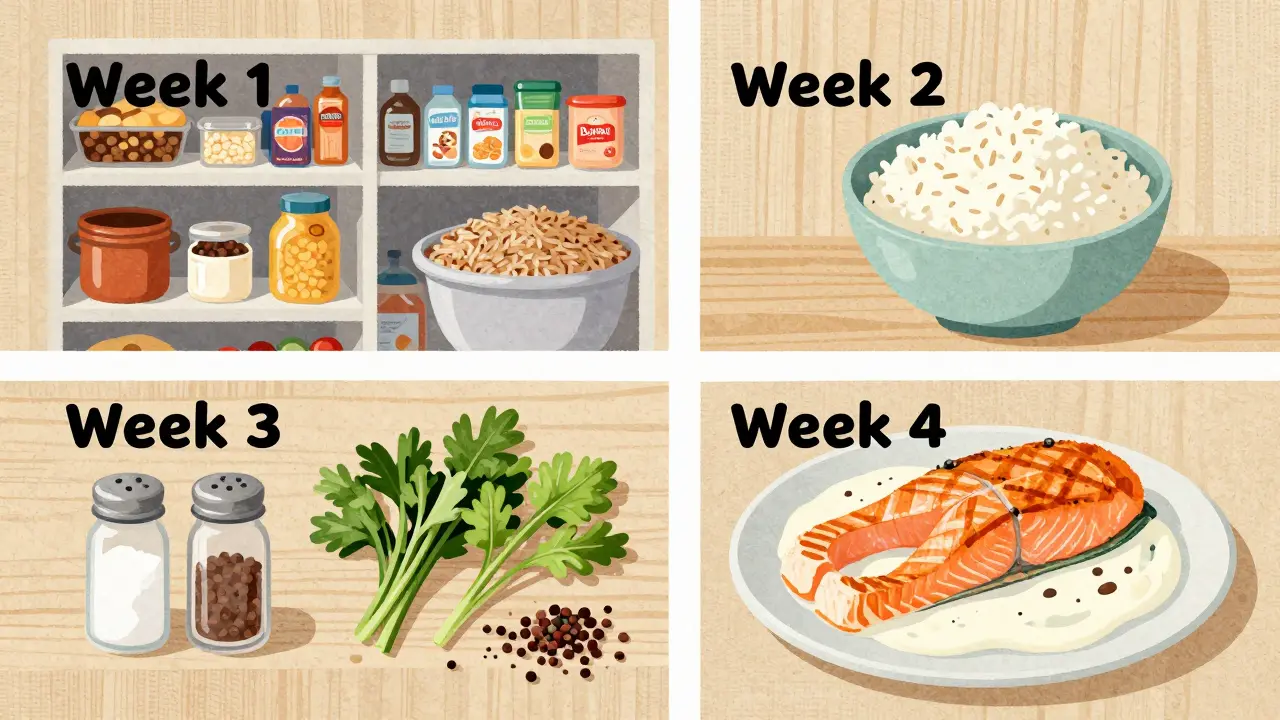
Jumping into DASH cold turkey can be overwhelming, especially if you are used to a standard American diet high in processed foods. Here is a realistic four-week plan to transition smoothly:
- Week 1: Clean Out the Pantry. Remove salty snacks, sugary cereals, and processed meats. Replace them with canned beans (rinsed to remove sodium), fresh fruits, and whole-grain pasta.
- Week 2: Swap the Sides. Start replacing white rice with brown rice or quinoa. Add a vegetable side dish to every dinner. Focus on hitting the 4-5 vegetable servings daily.
- Week 3: Cut the Sodium. Begin cooking at home more often. Read labels carefully. Look for products with less than 140 mg of sodium per serving. Use herbs and spices instead of salt to flavor your food.
- Week 4: Optimize Proteins and Dairy. Incorporate low-fat dairy into your breakfast or snacks. Switch from red meat to chicken, fish, or plant-based proteins like lentils and chickpeas.
Tracking your progress can help. Apps like DASH Diet Helper can simplify meal planning and sodium tracking. Studies show that digital monitoring increases adherence rates significantly compared to paper-based logs.
Common Challenges and How to Overcome Them
Adherence is the biggest hurdle. Research indicates that only about 40% of people stick to the DASH diet after 12 months. Here is why people drop off and how to stay on track:
Challenge 1: Taste Fatigue. Low-sodium food tastes bland at first. Your taste buds need 3-4 weeks to adjust. During this period, use lemon juice, garlic, ginger, and fresh herbs to add flavor without sodium.
Challenge 2: Meal Planning Complexity. Preparing fresh meals takes time. Batch cook grains and roast large trays of vegetables on Sundays. Keep frozen fruits and vegetables on hand for quick smoothies or stir-fries.
Challenge 3: Dining Out. Restaurant meals are often loaded with hidden sodium. Ask for sauces on the side, choose grilled over fried options, and request no added salt. Stick to simple dishes like grilled chicken with steamed vegetables.
Challenge 4: Cultural Dietary Preferences. Traditional cuisines may rely heavily on soy sauce, cured meats, or salty broths. Adapt recipes by using low-sodium versions of condiments and incorporating more fresh ingredients. The "DASH Latino" trial showed that culturally tailored recipes maintain effectiveness while improving adherence.
Who Should Avoid DASH?
While DASH is safe for most people, there are exceptions. If you have chronic kidney disease, you may need to limit potassium and phosphorus, which are abundant in many DASH-recommended foods like bananas and dairy. Always consult your healthcare provider before making significant dietary changes if you have underlying medical conditions. Additionally, individuals with very low baseline blood pressure (<120/80 mmHg) may not see significant benefits and could potentially experience hypotension if they strictly follow the low-sodium version.
Long-Term Sustainability and Future Trends
The DASH diet is not a quick fix; it is a lifelong eating pattern. Its strength lies in its flexibility and scientific backing. Recent developments include "DASH 2.0," which integrates time-restricted eating (eating within a 12-hour window) to enhance metabolic benefits. Preliminary data suggests this combination can lead to even greater blood pressure reductions.
As AI technology advances, personalized nutrition plans based on continuous glucose monitoring and genetic profiles are emerging. However, the core principles of DASH remain unchanged: eat real, whole foods, limit sodium, and prioritize heart-healthy nutrients. By starting today, you are investing in a future with lower medication dependence, better energy levels, and a healthier weight.
Can I lose weight on the DASH diet without counting calories?
Yes. While DASH is not explicitly designed for weight loss, its focus on high-fiber, nutrient-dense foods promotes satiety. Most people naturally reduce their calorie intake by replacing processed foods with fruits, vegetables, and whole grains. Studies show modest weight loss of 1-3 kg when following DASH without strict calorie counting.
How quickly will the DASH diet lower my blood pressure?
You may see results within two weeks. Clinical trials indicate that adopting the DASH diet can lower systolic blood pressure by 6-11 mmHg in hypertensive individuals within this timeframe. Combining it with a low-sodium approach (1,500 mg/day) can accelerate these results.
Is the DASH diet suitable for vegetarians?
Absolutely. The DASH diet emphasizes plant-based foods. Vegetarians can easily meet protein requirements using legumes, nuts, seeds, and low-fat dairy. In fact, vegetarian adaptations of DASH often result in even lower cholesterol levels due to reduced saturated fat intake.
What are the best substitutes for salt on the DASH diet?
Use herbs and spices like basil, oregano, garlic powder, onion powder, and black pepper. Acidic ingredients like lemon juice, lime juice, and vinegar also enhance flavor without adding sodium. Avoid seasoned salt blends, which often contain hidden sodium.
Can I drink alcohol on the DASH diet?
Alcohol should be limited. Excessive alcohol consumption can raise blood pressure. If you choose to drink, keep it moderate: up to one drink per day for women and up to two drinks per day for men. Water, unsweetened tea, and black coffee are better daily choices.
Is the DASH diet expensive?
Not necessarily. While fresh produce can be costly, buying seasonal vegetables and frozen fruits can save money. Beans, lentils, and oats are inexpensive staples. The cost often depends on location and shopping habits, but USDA programs now support DASH-aligned recipes to improve accessibility.

Write a comment