


Why Your Medications Might Still Work After the Expiration Date
You opened your medicine cabinet and found a bottle of ibuprofen with an expiration date from two years ago. You paused. Should you toss it? Or is it still safe to use? The truth is, most medications don’t suddenly turn toxic or useless on the exact date printed on the label. In fact, the U.S. government’s Shelf-Life Extension Program tested over 3,000 lots of drugs and found that 88% remained stable and effective well past their labeled expiration dates-some by more than five years.
This isn’t magic. It’s science. And it’s happening right now in government stockpiles, hospitals, and even some pharmacies. But what does that mean for you at home? Can you safely stretch the life of your pills, creams, or inhalers? The answer isn’t simple, but it’s not as scary as you might think.
What Actually Happens When Medications Expire?
Expiration dates aren’t "use-by" dates like on milk. They’re the last date the manufacturer guarantees full potency and safety under ideal storage conditions. After that, the drug doesn’t explode or turn poisonous-it just slowly loses strength. For example, a painkiller that was 100% potent at manufacture might drop to 90% after two extra years. That’s usually not dangerous, but it could mean less relief.
Some drugs degrade faster than others. Liquid antibiotics, eye drops, and insulin can break down into harmful compounds if stored improperly. Tetracycline, for instance, can degrade into a toxin that damages kidneys. That’s why you never take old tetracycline, even if it looks fine.
On the other hand, solid tablets like aspirin, acetaminophen, or antihistamines are much more stable. Studies show many of these retain over 90% potency even 10-15 years after expiration-if kept dry, cool, and dark.
The Right Way to Store Medications at Home
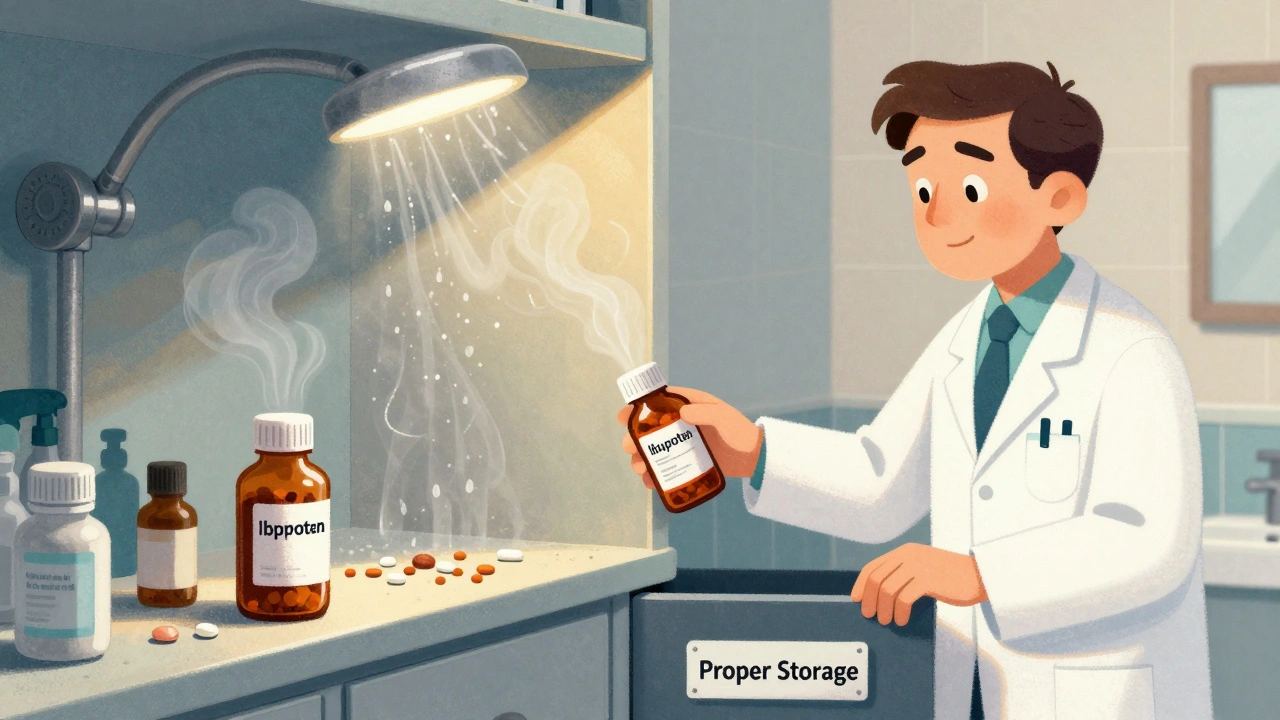
Storage is everything. A pill that lasts 10 years in a cool, dry drawer might be useless in six months if left on a bathroom counter. Here’s what works:
- Keep it dry. Humidity is the #1 enemy. Don’t store pills in the bathroom or near the kitchen sink. Moisture causes tablets to crumble and liquids to grow mold.
- Keep it cool. Room temperature (15-25°C) is fine for most pills. But if your medication says "refrigerate," keep it between 2-8°C. Don’t freeze unless it says so-freezing can ruin injectables and suspensions.
- Keep it dark. Light breaks down many drugs. Keep medicines in their original amber bottles or inside a closed cabinet. Don’t leave them on a windowsill.
- Keep it sealed. Once you open a bottle, air gets in. Use airtight containers if you transfer pills to a pill organizer. Don’t leave blister packs open for weeks.
Insulin, certain vaccines, and biologics are the exceptions. They’re fragile. Even a few hours at room temperature can ruin them. Always check the label. If it says "discard after 28 days" after opening, don’t push it.
What Medications Can Be Extended-And Which Can’t
Not all drugs are created equal. Here’s what the data says about which types hold up best:
| Medication Type | Stability After Expiry | Notes |
|---|---|---|
| Tablets (ibuprofen, aspirin, loratadine) | High | Often retain potency for 5-10+ years if stored properly |
| Capsules (doxycycline, ciprofloxacin) | Medium to High | Stable if sealed; avoid moisture |
| Liquids (antibiotics, cough syrup) | Low | Can grow bacteria or lose strength quickly-don’t risk it |
| Injectables (insulin, epinephrine) | Very Low | Temperature-sensitive; degradation can be dangerous |
| Eye drops and nasal sprays | Low | Contamination risk after opening-discard after 28 days |
| Reconstituted powders | Very Low | Must be used within hours or days-never store long-term |
The FDA’s Stockpile Program found that naloxone, fentanyl, and halothane remained 100% effective for up to five years past expiration. But that’s under strict lab conditions. At home, you won’t have the same controls. So play it safe.
When to Throw Medications Away
There are clear red flags. If you see any of these, toss it-no exceptions:
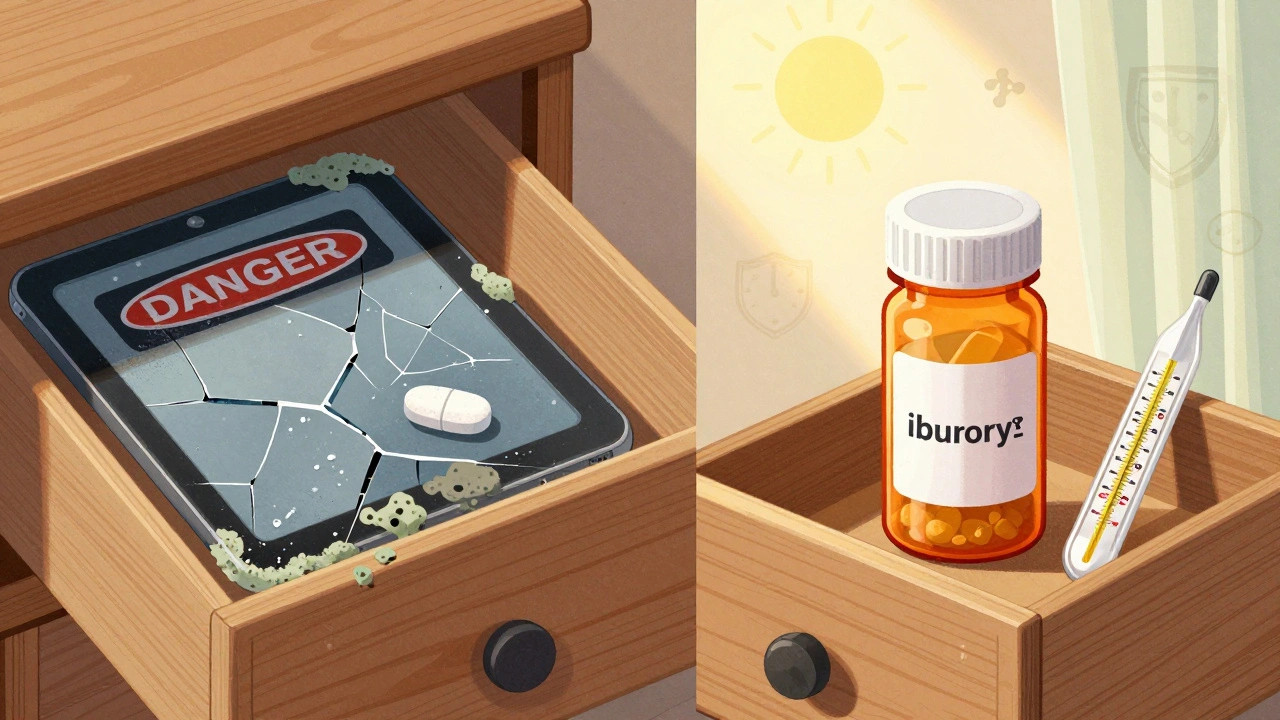
- Tablets are cracked, discolored, or smell strange
- Liquids are cloudy, have particles, or smell off
- Eye drops or inhalers leak or don’t spray properly
- Insulin looks clumpy, frosted, or discolored
- Medication has been exposed to extreme heat, freezing, or moisture
Even if it looks fine, if it’s been stored in a hot car or a steamy bathroom for months, it’s not trustworthy. You’re not saving money-you’re risking your health.
What the Government Knows That You Don’t
The U.S. Department of Defense has been running the Shelf-Life Extension Program since 1986. They test drugs in stockpiles-medicines meant for emergencies like bioterror attacks or pandemics. They don’t just guess. They test chemical stability, microbial growth, and potency over time.
They’ve saved over $2.1 billion by not replacing pills that still work. They’ve extended the life of TPOXX (an antiviral for smallpox) from 48 to 60 months. They’ve approved Tamiflu to be used up to 10 years after manufacture-when stored correctly.
But here’s the catch: these extensions are done under controlled conditions, with lab-grade storage and batch-by-batch testing. You can’t replicate that at home. That’s why the FDA still says: "Follow the label."
Still, the message is clear: expiration dates are conservative. Most pills are fine. But you need to earn that safety by storing them right.
What’s Coming Next: Smart Packaging and Real-Time Tracking
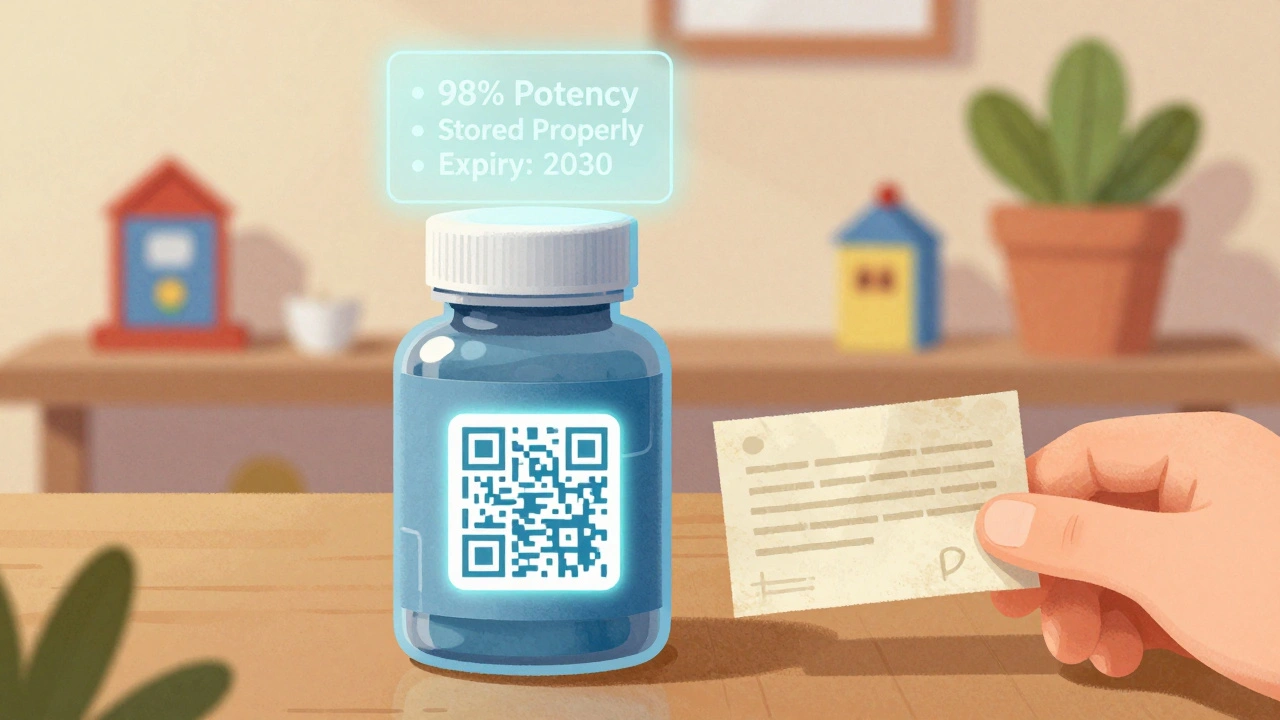
The future of medication storage isn’t just about keeping things cool-it’s about knowing if they’ve been compromised. New packaging is being tested with time-temperature indicators-small chips or labels that change color if the drug got too hot. Some even track humidity.
By 2025, top pharmaceutical companies are rolling out real-time stability monitoring. Instead of a printed expiration date, your pill bottle might have a QR code that tells you, "This batch is still 98% potent as of today."
It’s not available to the public yet. But when it is, it’ll change everything. No more guessing. Just scan and know.
What to Do Right Now
You don’t need fancy tech to keep your meds safe. Start here:
- Check your cabinet. Pull out anything expired or close to it.
- Look at the storage instructions on each label. If it says "refrigerate," put it in the fridge-not the door, where it gets warm.
- Throw out anything that looks or smells wrong. Don’t risk it.
- Store pills in a cool, dry, dark place-like a bedroom drawer, not the bathroom.
- Don’t transfer pills to random containers. Keep them in original bottles with child-resistant caps.
- If you’re unsure about a medication, ask your pharmacist. They can tell you if it’s safe to use past the date.
Medications are investments in your health. Storing them properly isn’t about being paranoid-it’s about being smart. You wouldn’t leave your car in the rain for months and expect it to start. Don’t do the same with your medicine.
Is it safe to take medicine after the expiration date?
For most solid tablets and capsules-like pain relievers, allergy meds, or blood pressure pills-yes, if stored properly. They usually lose potency slowly but don’t become dangerous. But never take expired liquids, injectables, eye drops, or antibiotics like tetracycline. They can degrade into harmful substances. When in doubt, ask a pharmacist.
Can I store medications in the fridge to make them last longer?
Only if the label says to. Most pills don’t need refrigeration and can actually degrade faster if exposed to moisture from condensation. Insulin, some vaccines, and certain liquid antibiotics do require fridge storage (2-8°C). Always follow the manufacturer’s instructions-don’t guess.
Why do expiration dates exist if drugs last longer?
Expiration dates are based on manufacturer testing under ideal conditions. They’re conservative for legal and safety reasons. The FDA requires companies to prove potency only up to that date. After that, they don’t test-so they can’t guarantee safety. But government programs like the Shelf-Life Extension Program have proven many drugs last far longer under proper storage.
What should I do with expired medications?
Don’t flush them or throw them in the trash. Take them to a pharmacy with a drug take-back program, or use a DEA-authorized collector. Many communities have drop-off locations at police stations or health clinics. If none are available, mix pills with coffee grounds or cat litter, seal them in a bag, and throw them in the trash-this reduces risk of accidental ingestion.
Do vitamins and supplements expire like real medications?
Yes, but they’re less dangerous if taken past expiry. They lose potency over time-especially if exposed to heat or light. A vitamin C tablet from two years ago might only give you 60% of the labeled dose. It won’t hurt you, but it won’t help as much either. Store them like prescription meds: cool, dry, dark.
Final Thought: Be Smart, Not Scared
Expiration dates are a guideline-not a death sentence. The science shows most pills are still good. But you have to earn that safety by storing them right. Keep them dry, cool, and out of the light. Don’t trust anything that looks off. And when in doubt, ask your pharmacist. They’ve seen it all. They’ll tell you if it’s worth keeping-or if it’s time to let it go.


Fern Marder
2 Dec 2025 at 18:59This is 🔥 so much better than the "throw it all away" nonsense. I’ve been keeping my ibuprofen for 4 years and it still works fine. 🙌