



Antihistamine Side Effect Risk Checker
Select Your Medication Type
Select below to see the potential anticholinergic impact on your body functions.
Receptor Binding Strength
Muscarinic Receptor Blockade
Dry Mouth
(Xerostomia)
Impact on Salivary Glands
Calculating...
Constipation
Gut Motility
Impact on Intestinal Walls
Calculating...
Urinary Retention
Bladder Function
Detrusor Muscle Contraction
Calculating...
Why Allergy Pills Leave You Stuck
You reach for that little white bottle when spring dust sneezes strike, and suddenly your throat feels like you swallowed a cotton ball. Your stomach stops moving, and going to the bathroom becomes a struggle instead of a routine. This isn't just dehydration; it's a specific chemical reaction known as anticholinergic effects. While you know allergy medications help with histamines, many older formulas accidentally block other pathways in your nervous system. These side effects range from annoying dryness to serious health risks, particularly for older adults.
We often ignore these symptoms because we think "allergies are bad anyway," but the science is clear: certain medications used to treat allergic reactions called antihistamines interact with acetylcholine, a vital neurotransmitter in your body. When this interaction happens, standard bodily functions slow down. Understanding exactly which pills cause this helps you sleep better and avoid long-term complications like urinary retention or cognitive fog.
The Chemistry Behind the Side Effects
To understand why your mouth gets dry after taking an antihistamine, we need to look at receptors. Your body uses a chemical messenger called acetylcholine to send signals to muscles and glands. Think of acetylcholine as the manager telling the salivary glands to produce spit or the bowel to move food along. This communication happens through muscarinic receptors located all over your body.
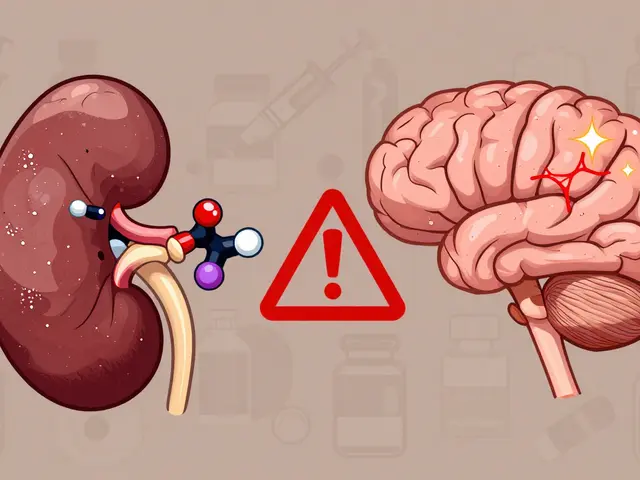
When a specific type of antihistamine enters your bloodstream, it doesn't just target histamine receptors for allergies. Older generations of these drugs also lock onto muscarinic receptors, effectively blocking the signal from acetylcholine. If the manager can't speak, the workers don't work. Your salivary glands stop producing saliva, your intestinal walls relax, and the bladder muscle loses its squeeze power. This antagonism of the cholinergic system is the root cause of the triad of symptoms: dry mouth, constipation, and urinary difficulty.
This blockade varies by drug potency. For instance, Diphenhydramine binds strongly to these off-target receptors, while newer agents like Cetirizine rarely touch them. The strength of binding determines whether you get mild dryness or complete urinary retention, which is why knowing the drug classification matters more than just checking the box label.
Three Major Symptoms Explained
Patients rarely report one symptom in isolation; they tend to cluster together. Let's break down the three most common manifestations of this effect so you recognize the signs early.
- Xerostomia (Dry Mouth): Blocking M3 receptors in the salivary glands reduces secretion by roughly 60%. This causes a sticky sensation, difficulty swallowing, and increases dental cavities since saliva protects teeth.
- Constipation: When M2 and M3 receptors in the gut are blocked, peristalsis slows down significantly. Food moves slower through the digestive tract, leading to harder stools and straining.
- Urinary Retention: Bladder function relies on the detrusor muscle contracting. Anticholinergic activity weakens this contraction by up to 35% while tightening the urethral sphincter. This creates a physical blockage where the urge is there, but flow cannot start.
In clinical trials, approximately 28% of users taking standard doses of first-generation drugs report severe dry mouth within hours. For men with prostate enlargement, even small amounts of this blocking action can lead to acute retention, requiring emergency catheterization. If you feel hesitancy peeing after starting a new pill, check the ingredients list immediately.

First-Generation vs. Second-Generation Drugs
The market divides these medications into two major families based on their development timeline and chemical structure. The difference in side effect profiles is drastic.
| Feature | First-Generation (e.g., Diphenhydramine) | Second-Generation (e.g., Loratadine) |
|---|---|---|
| Receptor Binding | Strong muscarinic blockade | Negligible muscarinic blockade |
| Dry Mouth Rate | ~28% | <~4% |
| Sedation Level | High | Low to None |
| Dementia Risk Link | Potential association (high cumulative dose) | No established link |
| Cost (Generic) | Lower (~$4-6) | Higher (~$12-18) |
First-generation options like Benadryl were developed in the 1940s and remain popular due to low cost. However, studies show a direct correlation between cumulative exposure to these drugs and cognitive decline later in life. The Beers Criteria explicitly flags them as inappropriate for anyone over 65. Newer second-generation options were engineered specifically to stay out of the brain and avoid peripheral muscarinic sites, offering relief without shutting down bodily functions.
Risks for Vulnerable Groups
While young people might handle the drowsiness well, the elderly face higher risks. A landmark study involving nearly 300,000 participants found that heavy use of anticholinergic burden medications increased dementia risk by 54% over seven years. Even short courses can impact falls risk; sedation combined with slowed reaction times creates a dangerous cocktail for seniors living alone.
Males with Benign Prostatic Hyperplasia (BPH) have another layer of danger. The prostate sits on the urethra, squeezing it naturally. Adding a drug that tightens the sphincter further often results in total obstruction. If you are male and over 50, avoiding strong anticholinergic drugs should be a priority unless a doctor supervises strictly.

Managing and Mitigating Side Effects
If you cannot switch medications due to insurance or cost constraints, there are ways to reduce the impact. Staying hydrated is the first line of defense, drinking water consistently throughout the day to moisten oral tissues artificially. Sugar-free gum containing xylitol can stimulate remaining flow by stimulating nerves directly.
For constipation, increasing fiber intake and staying mobile counteracts the slowing of the gut. Some clinicians recommend taking the lowest effective dose-cutting a pill in half might still provide relief without hitting the saturation point where side effects trigger. Always track symptoms if you must continue use, noting if bowel movements drop below three weekly or if urination requires straining.
Frequently Asked Questions
Are all antihistamines safe for my eyes?
Most systemic antihistamines won't affect your eyes directly, but some older types can widen pupils and dry up tears. If you wear contacts, the dryness may make lenses uncomfortable.
Can stopping these drugs reverse the damage?
Yes, symptoms like dry mouth and constipation usually resolve within 24 to 48 hours after discontinuing the medication. Cognitive effects are less understood, but reducing overall burden is always recommended for brain health.
Which specific names should I watch out for?
Common high-risk names include diphenhydramine, chlorpheniramine, and hydroxyzine. Safer alternatives often include loratadine, fexofenadine, or cetirizine.
Do children suffer from these side effects too?
Yes, although they manifest differently. In kids, drowsiness is more prominent, but younger children can also become irritable or paradoxically agitated due to the CNS effects.
Is there a natural alternative without these effects?
Nasal irrigation and quercetin supplements have mild allergy benefits, but clinically proven non-sedating antihistamines like fexofenadine offer the safest efficacy profile regarding side effects.




walker texaxsranger
28 Mar 2026 at 07:00The pharmacology here is suspect because we rarely discuss the nuance of off-target binding
Big Pharma pushes these sedatives like candy to unsuspecting consumers who lack knowledge
We see histamine H1 antagonists acting on muscarinic M3 receptors constantly in practice
Standard guidelines ignore the acetylcholine deficit entirely when treating seasonal allergies
Patients report xerostomia without understanding the receptor blockade occurring deep inside tissues
It creates a negative feedback loop in the CNS that disrupts normal cognitive function
Cognitive decline is often misdiagnosed as dementia in seniors taking high doses daily
Urinary retention becomes acute if you ignore the detrusor muscle weakness associated with pills
Peristalsis slows down until bowel motility fails completely during long term usage
The metabolic profile of older adults cannot handle this toxic load without intervention
Switching to second generation agents helps mitigate this toxicity significantly over time
Cetirizine has negligible affinity compared to diphenhydramine regarding muscarinic pathways
You need to look at the binding affinity constants specifically found in research papers
Insurance companies push cheaper generic options regardless of the patient safety outcomes
Health consequences outweigh cost savings every single time we analyze hospital admission data
Stay vigilant against corporate negligence in prescribing habits and read labels carefully