


Every year, over 90% of prescriptions filled in the U.S. are for generic drugs. They’re cheaper, just as effective, and approved by the same strict standards as brand-name pills. So why do so many patients still refuse them?
It’s not about science. The FDA requires generics to deliver the exact same active ingredient, in the same amount, at the same speed as the brand-name version. The difference? The color, shape, or filler ingredients - nothing that changes how the drug works in your body. Yet, patients still worry. And doctors, even those who know the facts, still sometimes give in to the pressure.
Doctors Know Generics Work - But They Don’t Always Prescribe Them
A 2016 guideline from the American College of Physicians was clear: prescribe generics whenever possible. The evidence? Patients on generics are 6% more likely to stick with their meds. That’s not a small boost. For someone with high blood pressure or diabetes, that 6% means fewer hospital visits, fewer complications, and lower long-term costs.
So why aren’t all doctors doing it? A study of 151 physicians found no strong link between what doctors believe about cost and whether they actually prescribe generics. That means it’s not about money - at least not directly. It’s about perception. Some doctors fear patients will think they’re cutting corners. Others worry about complaints if a patient reports feeling different after switching - even when the difference is psychological, not physical.
Primary care doctors prescribe generics more often than specialists. In Saudi Arabia, primary care physicians prescribed generics in 47% of cases. Hospital doctors? Only 31%. Private practice? Just 22%. Why? Primary care sees the same patients over time. They know who’s skipping doses because of cost. They’ve seen the results: people who take their meds regularly live longer, healthier lives.
Patients Trust the Brand - Even When It’s the Same Drug
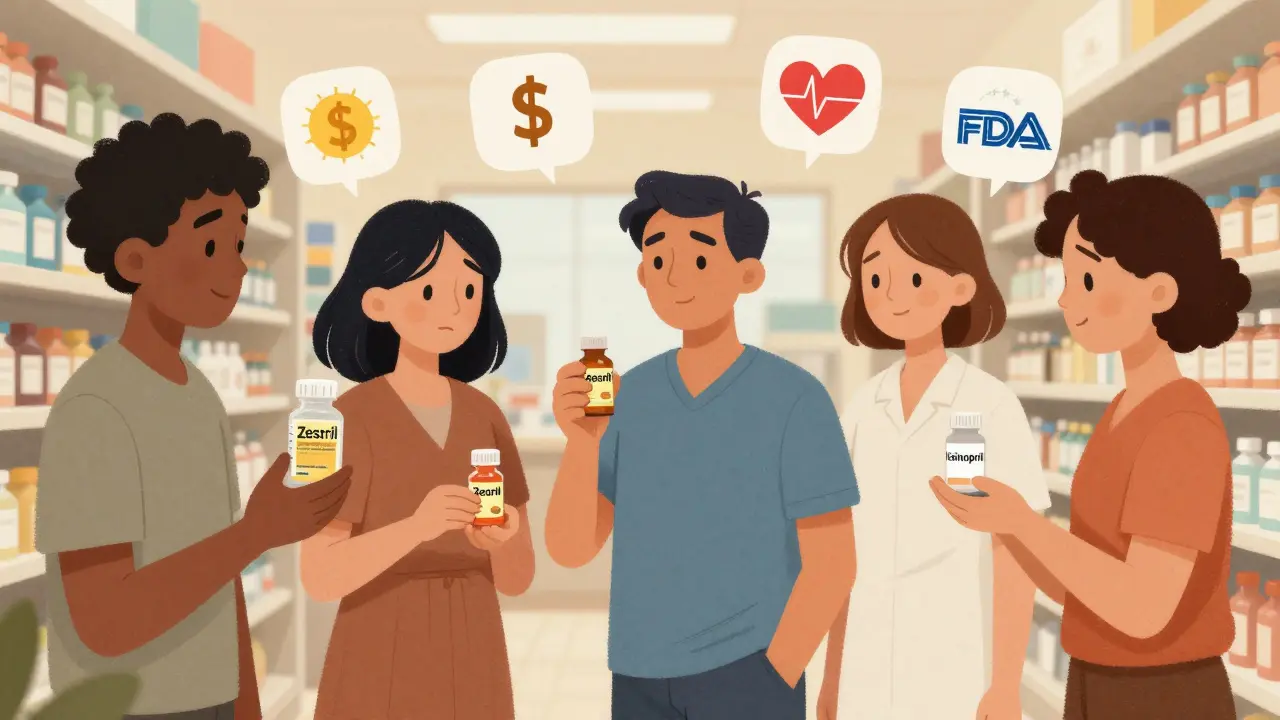
Take lisinopril. The brand name is Zestril. The generic? Same chemical. Same dose. Same effect. But one costs $350 a month. The other? $4 at Walmart.
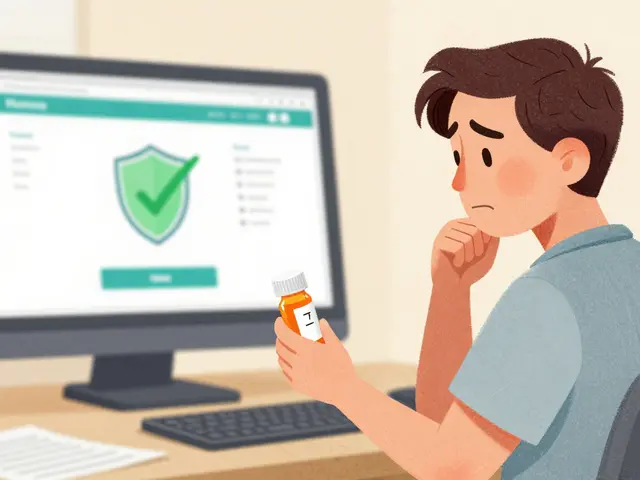
And yet, patients still ask for Zestril. Why? Because the brand name feels familiar. It’s on TV. It’s in ads. It’s the one their grandparent took. The generic? It’s a little white pill with a weird number on it. To them, it looks like something you’d get from a discount store - not a real medicine.
The FDA calls this the look-alike, sound-alike problem. Patients notice when their pill changes color, shape, or size - even if it’s the exact same drug. One patient told a doctor: “The generic made me dizzy. I need the real one.” The doctor checked. The generic was identical. The dizziness? Started the same week the patient’s insurance switched to the cheaper version. The real issue? Anxiety. The brain interprets change as risk.
And it’s not just patients. Some doctors avoid generics because they’ve heard anecdotes - a patient who felt worse after switching, even though no clinical evidence supports it. These stories stick. They’re louder than data.
The Hidden Cost of Not Using Generics
It’s not just about what’s in the pill. It’s about what happens when people don’t take their meds.
Research from the American Journal of Managed Care shows that better adherence - thanks to lower costs - cuts hospitalization risk by 2.2% for chronic conditions. That’s not a tiny number. Multiply that across millions of people with hypertension, diabetes, or cholesterol issues, and you’re talking about tens of thousands of preventable ER visits every year.
And the savings? The Congressional Budget Office estimates that if doctors prescribed generics at the same rate for new prescriptions as they do for filled ones, Medicare Part D could save $17.3 billion annually. That’s enough to cover free screenings for millions of seniors.
Meanwhile, brand-name drugs still make up 77% of drug spending - even though they’re only 10% of prescriptions. Generics cost 80-85% less. That’s not a small gap. That’s a system designed to make people pay more for the same thing - just because the label says it’s “brand.”
When Generics Might Not Be the Best Choice
Not every drug is interchangeable. There are exceptions.
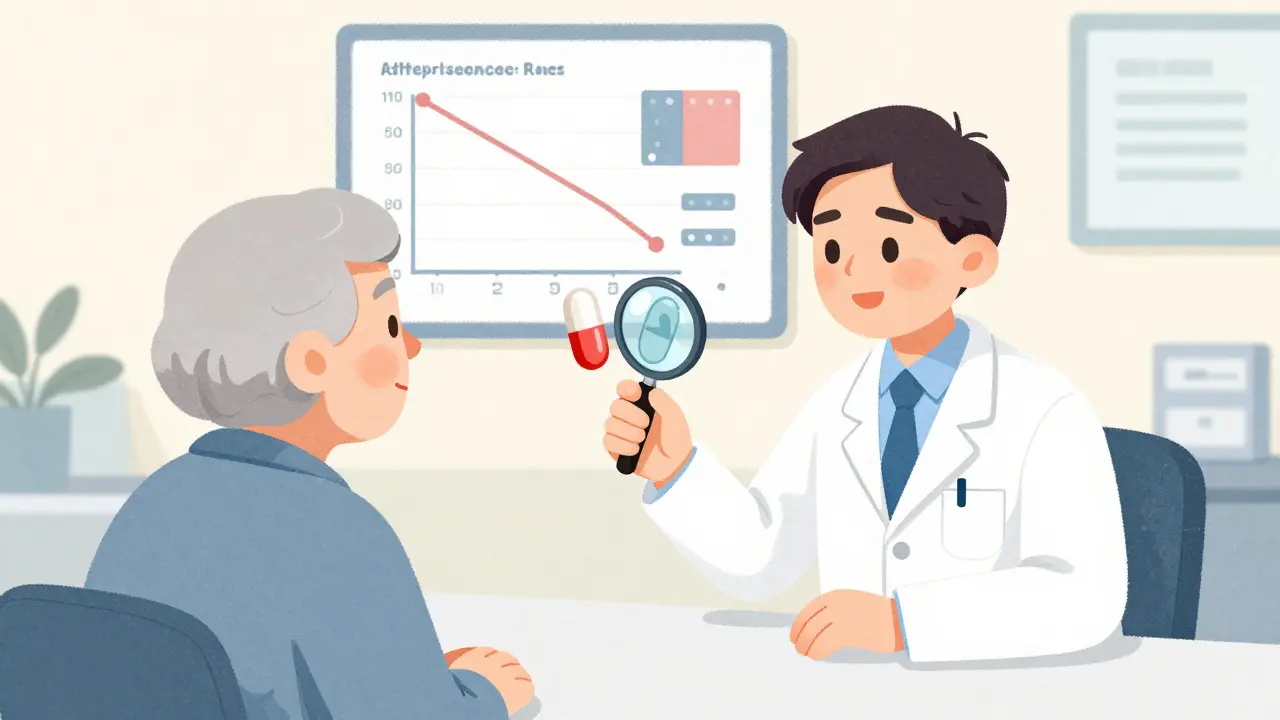
The FDA keeps a list of 15 drugs with a narrow therapeutic index - meaning tiny changes in blood levels can cause big problems. Think blood thinners like warfarin, seizure meds like phenytoin, or thyroid drugs like levothyroxine. For these, switching between brands and generics requires close monitoring. Some doctors avoid switching altogether, just to be safe.
And then there are complex delivery systems - inhalers, nasal sprays, topical creams. A 2015 FDA study found that patients with asthma or COPD sometimes felt their generic inhaler didn’t work as well. Not because the medicine was different - but because the device felt different. The puff felt weaker. The nozzle looked odd. The body notices the difference, even if the drug doesn’t.
That’s why the FDA now funds education programs to help patients understand that the device matters as much as the drug. A generic inhaler might work just as well - but only if you use it right.
Why the System Still Fails Patients
Here’s the real problem: we treat medicine like a product, not a tool.
Brand-name companies spend billions on ads that say, “This is the one your doctor trusts.” Generic makers? They don’t advertise. They can’t. The law doesn’t let them. So the public hears only one side of the story.
Even doctors aren’t always trained on this. A 2016 study showed that while 96% of Saudi doctors said they understood how generics work, only 16% felt comfortable prescribing them in all situations. That’s a massive gap between knowledge and confidence.
And then there’s the pharmacist. In 49 states, pharmacists can swap a brand for a generic without asking the doctor - as long as the prescription doesn’t say “dispense as written.” But how many patients know that? How many are told, “We’re switching you to a cheaper version. Here’s why it’s safe.” Rarely.
Dr. Sarah Ibrahim from the FDA says it plainly: “Patients are more likely to stop taking their generic medications when they experience a change.” That’s not because the drug is bad. It’s because no one explained it.
What Needs to Change
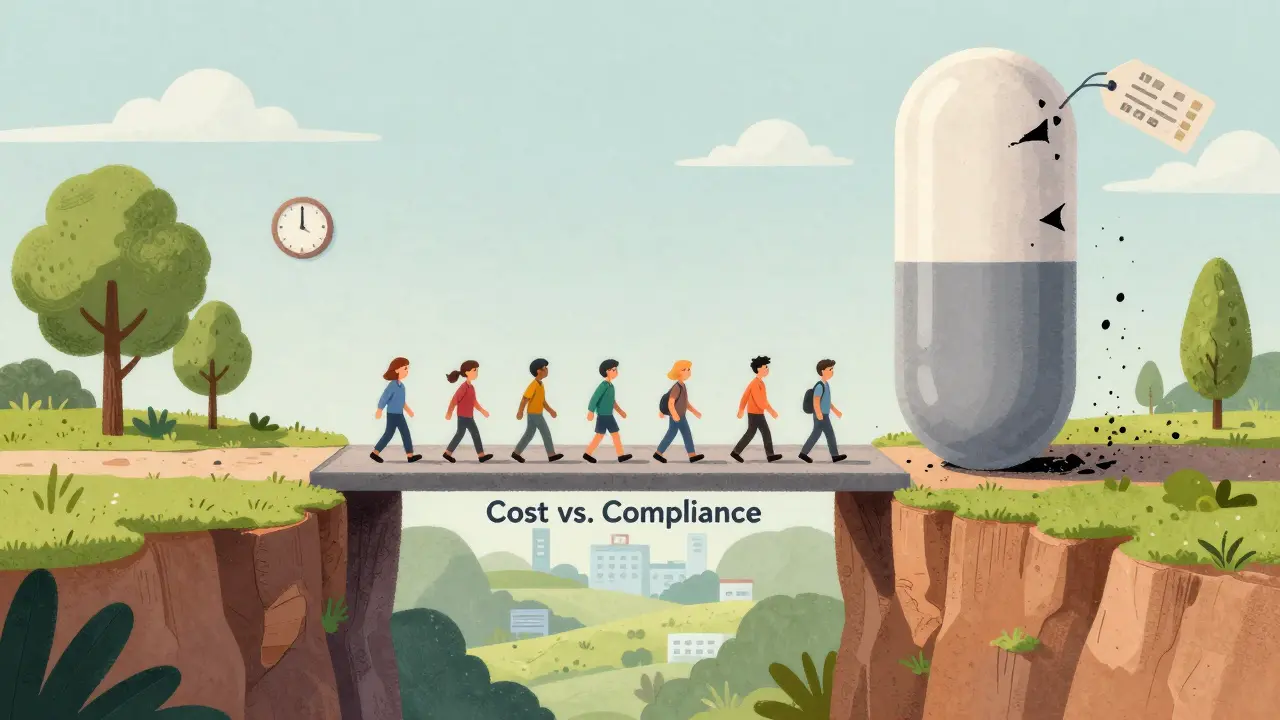
Fixing this isn’t about forcing doctors or patients to do anything. It’s about communication.
Doctors need to say, “This generic is the same drug. I’ve prescribed it to hundreds of patients. It works just as well.” Not, “It’s cheaper.” That’s the trigger for doubt.
Pharmacists need to ask, “I see you’re switching from Zestril to lisinopril. Have you taken this before? Do you have any concerns?” A two-minute conversation can prevent a patient from stopping their meds altogether.
And the FDA? They’re trying. They’ve increased funding for patient education. They’re working on clearer labeling for complex generics. But change moves slowly.
Meanwhile, residency programs are waking up. In 2015, only 29% of internal medicine programs taught generic prescribing. Now? 68%. That’s progress. But it’s not enough.
What You Can Do
If you’re on a chronic medication:
- Ask your doctor: “Is there a generic version?” Don’t assume they’ll offer it.
- If you’re switched to a generic, ask: “Is this the same as my old pill? Why did we switch?”
- If you feel different after switching, don’t assume it’s the drug. Talk to your doctor. It could be timing, stress, or something else.
- Check your pharmacy’s price. Generics are often $4-$10 at Walmart, Target, or Costco - even without insurance.
If you’re a caregiver or family member: Don’t let stigma win. A $4 pill that keeps someone out of the hospital is better than a $350 pill that sits in the cabinet because it’s “not the real thing.”
Medicine isn’t about branding. It’s about results. And the data is clear: generics save lives - not because they’re cheaper, but because people actually take them.
What’s Next?
The future of generics isn’t just about pills. It’s about biosimilars - cheaper versions of complex biologic drugs like those used for cancer or rheumatoid arthritis. The FDA expects biosimilars to make up 15% of biologic prescriptions by 2027. The same fears will follow. The same misunderstandings. The same missed opportunities.
But this time, we have the data. We know what works. We know how to fix it. The question is: will we?




Christina Widodo
10 Jan 2026 at 21:11I used to refuse generics until my mom got hit with a $400 bill for her blood pressure med. We switched to lisinopril and she’s been fine for two years. Same pill. Same results. Just no sticker shock.
Turns out the only thing different was my anxiety about the color change.