

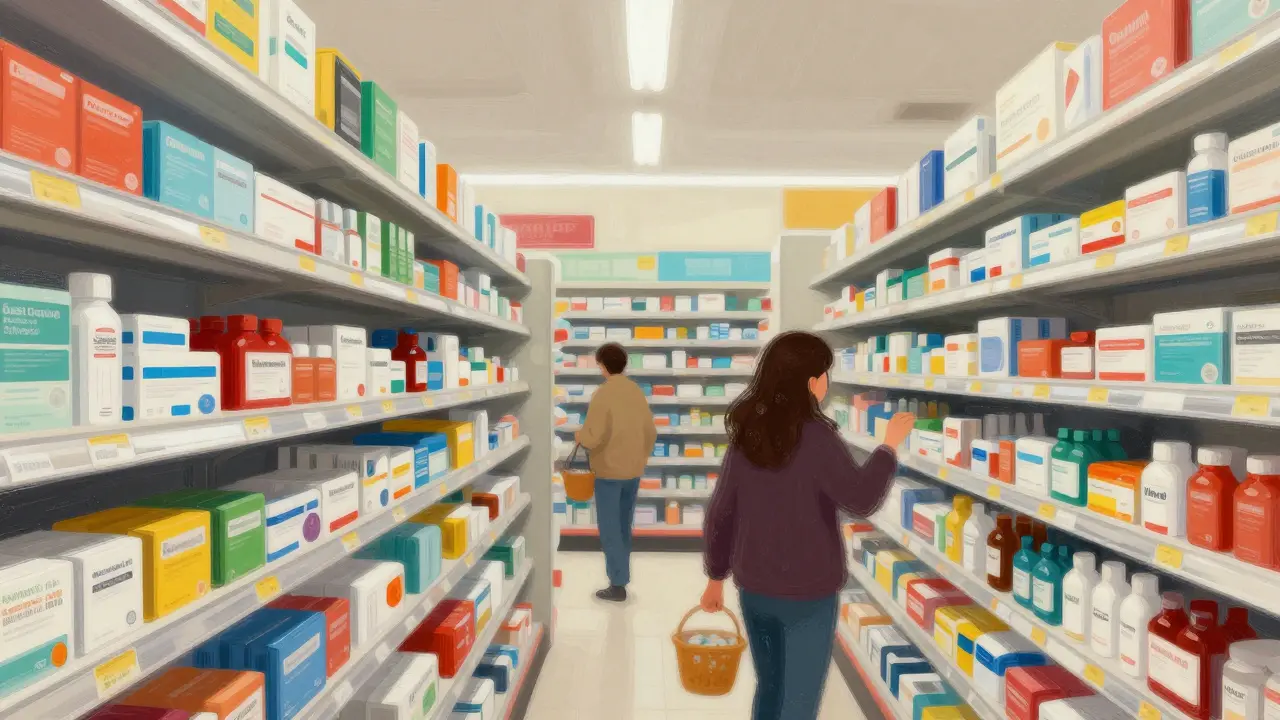

That headache won’t quit. Your stomach is churning after a questionable lunch. You’ve got a cough that keeps you up at night. For most of us, the first instinct isn’t to call a doctor-it’s to head to the pharmacy shelf. Over-the-counter (OTC) medications are pharmaceutical products available without a prescription that help people relieve symptoms and cure simple diseases without seeing a doctor. They are convenient, affordable, and incredibly powerful. But here is the catch: just because you can buy them off the shelf doesn’t mean they are harmless.
We often treat OTC drugs like candy-grabbing whatever looks right without reading the fine print. This casual approach leads to thousands of emergency room visits every year. The goal of this guide is not to scare you away from self-care, but to empower you with the knowledge to use these tools safely. Whether you are managing a minor ailment or stocking your home medicine cabinet, understanding how these drugs work, interact, and expire is crucial for your health.
Understanding the Landscape of OTC Medications
The world of over-the-counter drugs is vast. According to the Consumer Healthcare Products Association, there are over 300,000 marketed products covering more than 80 therapeutic categories. These aren't just painkillers. The FDA considers certain toothpastes with fluoride, antimicrobial mouthwashes, lubricating eye drops, wart removers, and even some dandruff shampoos as OTC medications.
The regulatory framework governing these products has evolved significantly. It began with the FDA's OTC Drug Review in 1972, designed to ensure safety and effectiveness before products hit store shelves. More recently, the Coronavirus Aid, Relief, and Economic Security (CARES) Act of 2020 modernized this system to address safety issues faster and bring innovative drugs to market. Today, the FDA regulates approximately 100,000 OTC drug products containing more than 800 different active ingredients.
Why does this matter to you? Because "active ingredient" is the only thing that truly matters when choosing a product. Brand names change, packaging changes, but the chemical doing the work stays the same. Acetaminophen is acetaminophen, whether it’s sold as Tylenol or a generic store brand. Recognizing this helps you avoid accidental overdoses and saves money.
Major Categories and Key Active Ingredients
To navigate the pharmacy aisle effectively, you need to know which tool fits which job. Here are the most common categories and what to look for:
| Category | Common Active Ingredients | Best Used For | Key Safety Note |
|---|---|---|---|
| Pain Relievers (Analgesics) | Acetaminophen (Tylenol), Ibuprofen (Advil, Motrin), Naproxen (Aleve) | Headaches, muscle aches, fever, inflammation | Acetaminophen max 3g/day; NSAIDs risk stomach bleeding |
| Digestive Health | Bismuth subsalicylate (Pepto-Bismol), Antacids (Tums) | Heartburn, indigestion, upset stomach | Salicylates can interact with blood thinners |
| Cough and Cold | Guaifenesin (Mucinex), Dextromethorphan, Pseudoephedrine (Sudafed) | Congestion, cough suppression, mucus thinning | Pseudoephedrine requires ID in many states |
| Allergy Relief | Loratadine (Claritin), Cetirizine (Zyrtec), Diphenhydramine (Benadryl) | Sneezing, runny nose, itchy eyes | Diphenhydramine causes significant drowsiness |
Acetaminophen is generally recommended as the first-line treatment for headaches and general body pain. However, it carries a severe risk: liver damage. The American Liver Foundation reports that acetaminophen overdose accounts for approximately 56,000 emergency room visits annually in the US. The maximum daily dose is 3 grams (3,000 mg)-equivalent to six extra-strength pills or nine regular pills. Exceeding this limit, even slightly, can be catastrophic.
Nonsteroidal anti-inflammatory drugs (NSAIDs) like ibuprofen and naproxen are excellent for inflammation-related pain, such as joint soreness or muscle strains. Ibuprofen is typically available in 200mg tablets with a maximum OTC daily dose of 1,200mg. Naproxen sodium comes in 220mg tablets with a max daily dose of 660mg. While they spare the liver, they tax the stomach and kidneys. Long-term or high-dose use increases the risk of gastrointestinal bleeding, heart attack, and stroke. In fact, NSAID misuse causes approximately 103,000 hospitalizations and 16,500 deaths annually in the US from GI bleeding alone.
The Hidden Danger: Drug Interactions and Contraindications
The biggest misconception about OTC meds is that they are "safe" because they don't require a prescription. This perception creates dangerous complacency. A major risk lies in interactions with other medications you might already be taking.
Consider this scenario: You take warfarin (a blood thinner) for atrial fibrillation. You get a headache and pop two ibuprofen tablets. Ibuprofen interferes with platelet function and can increase the risk of bleeding, potentially turning a minor cut into a serious hemorrhage. Similarly, if you have asthma-affecting 8.3% of the US population-NSAIDs can trigger severe bronchospasm in some individuals. If you have unstable high blood pressure, affecting 47% of US adults, NSAIDs can raise your BP further.
Another critical interaction involves acetaminophen and alcohol. Both are processed by the liver. Combining them stresses the organ significantly. If you drink heavily and take acetaminophen regularly, you are doubling down on liver toxicity.
Always check for contraindications. If you have stomach ulcers (present in 4 million Americans annually), NSAIDs are likely off-limits. If you have kidney disease, both NSAIDs and high doses of acetaminophen can worsen renal function. The NHS England Self Care and OTC Items Quick Reference Guide emphasizes that knowing your medical history is non-negotiable before self-medicating.
Reading the Label: A Step-by-Step Survival Guide
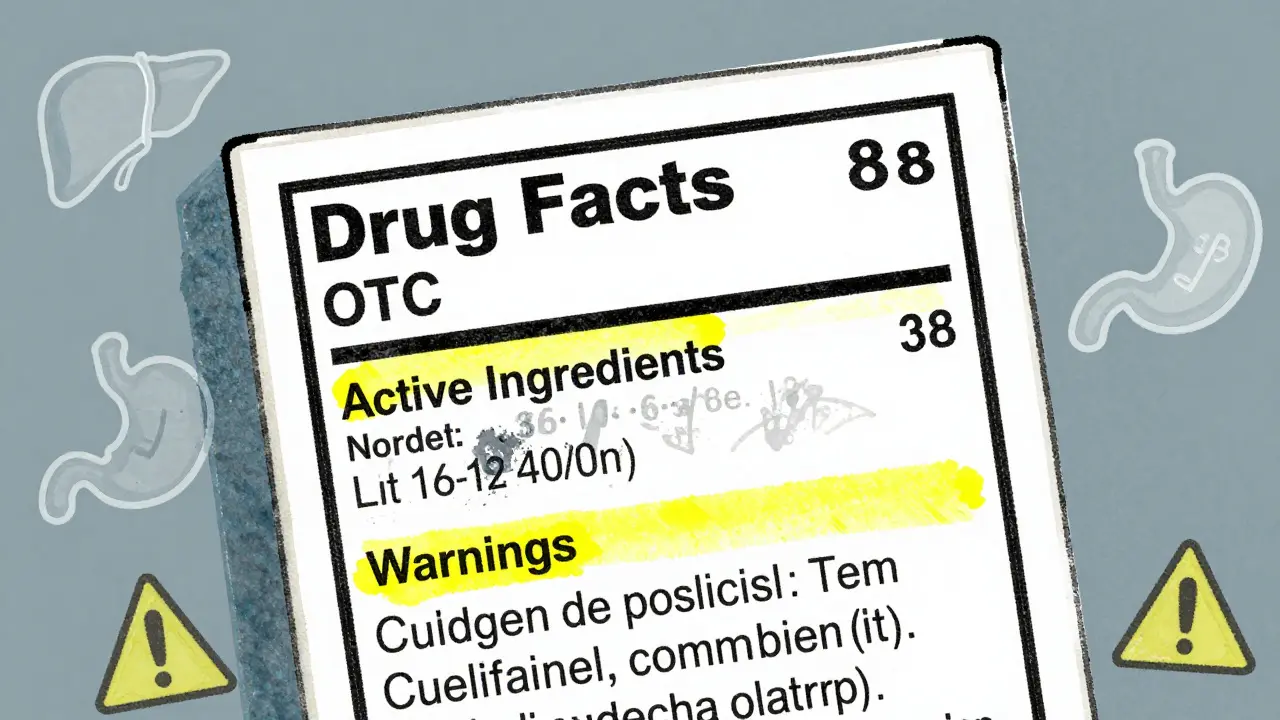
The FDA mandates that all OTC medications follow a standardized "Drug Facts" label format introduced in 1999. Yet, studies show that 23.1% of adults misinterpret these labels. Confusion around terms like "do not exceed 6 tablets in 24 hours" is common, especially among those with limited health literacy. Here is how to read it correctly:
- Active Ingredients: This is the most important section. Check what chemicals are inside. If you are taking multiple cold medicines, ensure you aren't doubling up on acetaminophen or decongestants.
- Purpose: Does this match your symptom? Don't use a nighttime formula if you need to drive to work. Nighttime formulas often contain diphenhydramine, an antihistamine that causes drowsiness.
- Warnings: Read this carefully. Look for "Do not use if..." statements. This lists conditions under which the drug is unsafe for you.
- Directions: Follow the dosage instructions precisely. Do not guess. Use the measuring device provided with liquid medications. Spoon measurements from your kitchen drawer are inaccurate and lead to dosing errors.
- Inactive Ingredients: These are fillers, flavors, and preservatives. If you have allergies to specific dyes or gluten, check this list.
A startling statistic from MedlinePlus reveals that only 22% of consumers consistently read the entire Drug Facts label. That means nearly 80% are flying blind. Make it a habit to scan the label every time, even if you've bought the same box before. Formulations change.
Storage, Expiration, and Disposal
Your medicine cabinet is not a vault. Environmental factors degrade medications. The FDA specifies that OTC medications should be stored in a cool, dry area below 77°F (25°C), with temperatures occasionally permitted up to 86°F (30°C). Avoid storing meds in the bathroom, where humidity fluctuates wildly due to showers. Moisture breaks down tablets and capsules, reducing their effectiveness.
Expiration dates are not suggestions. Most OTC medications have shelf lives of 2-3 years from the manufacture date. Using expired drugs doesn't usually kill you, but it might not help you either. An expired antibiotic cream might fail to prevent infection. An expired nitroglycerin tablet could be useless during a cardiac event.
When it's time to toss old meds, don't flush them unless the label explicitly says so. Flushing contaminates water supplies. Instead, mix the medications with an unappealing substance like dirt, cat litter, or used coffee grounds, place the mixture in a sealed container, and throw it in the trash. Many pharmacies also offer take-back programs.
When to See a Doctor vs. Self-Care
Self-care is powerful, but it has limits. OTC medications mask symptoms; they rarely cure underlying diseases. Knowing when to stop self-treating is vital.
- Pain: If pain persists for more than three days, or if it is severe and sudden, see a doctor. Migraines that change pattern or intensity need professional evaluation.
- Fever: A fever lasting more than three days, or any fever above 103°F (39.4°C), requires medical attention. In children, any fever over 100.4°F (38°C) under three months old is an emergency.
- Digestive Issues: Heartburn that occurs more than twice a week may indicate GERD, which needs prescription treatment. Blood in stool or vomit is an immediate red flag.
- Cold Symptoms: If symptoms last more than 10 days, or if you experience shortness of breath, chest pain, or a rash, seek care immediately.
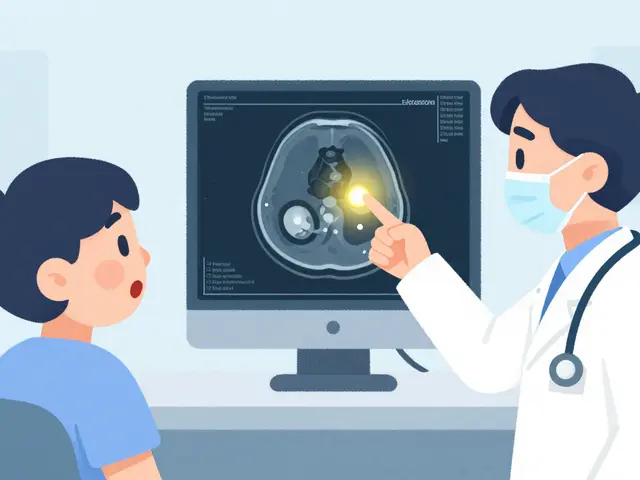
Dr. Robert Graham, an internal medicine specialist, warns that the perception of OTC medications as universally safe creates dangerous complacency. If you are masking symptoms while an infection spreads, you delay necessary treatment.
The Role of Pharmacists in Safe Self-Care
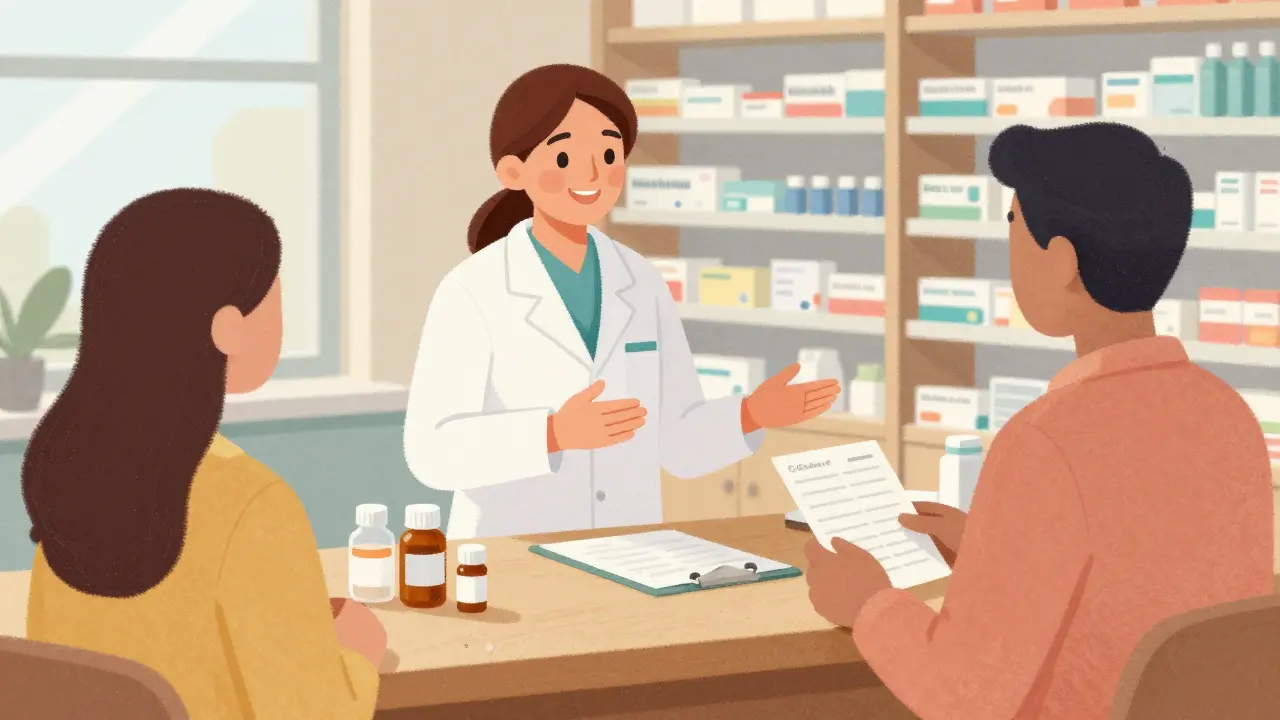
You have a secret weapon in your local pharmacy: the pharmacist. The American Pharmacists Association reports that 78% of pharmacists provide OTC medication counseling annually. They are trained to check for drug interactions (92% do this routinely), verify appropriate dosing (89%), and identify contraindications (85%).
Despite this, many people hesitate to ask questions. Why? Perhaps embarrassment or assumption that pharmacists are too busy. In reality, pharmacists want to help. Before buying a new OTC product, especially if you take prescription medications, walk up to the counter and say: "I'm taking [List of Meds]. Is this safe for me?"
This simple step can prevent adverse events. Inappropriate self-medication accounts for 6.7% of adverse drug events in older adults. With 24% of adults aged 65+ taking five or more prescription medications, the complexity of polypharmacy makes pharmacist consultation essential. Chain pharmacies now offer free medication reviews, resulting in a documented 42% reduction in inappropriate OTC selection.
Practical Tips for Everyday Safety
Integrating safe OTC use into your routine doesn't have to be complicated. Here are actionable tips:
- Stick to Single-Ingredient Products: Multi-symptom cold formulas often contain ingredients you don't need. If you only have a cough, buy a cough suppressant, not a combo pack with decongestants and antihistamines. This reduces the risk of side effects and interactions.
- Keep a Medication List: Maintain an updated list of all prescriptions, supplements, and regular OTCs. Show this to your pharmacist or doctor.
- Check for "Hidden" Acetaminophen: Many multi-symptom pain relievers and cold medicines contain acetaminophen. Always add up the total milligrams from all sources.
- Use Measuring Devices: Never use a kitchen spoon for liquid meds. Use the cup or syringe provided. Children's liquid acetaminophen overdoses increased 7.1% in 2022, largely due to measurement errors.
- Review Annually: Once a year, go through your medicine cabinet. Toss anything expired, discolored, or crumbly.
The US OTC medication industry generated $114.2 billion in sales in 2022, reflecting our heavy reliance on these products. As the market grows, so does the variety of options. New trends include AI-driven personalized recommendations and expanded pharmacist prescribing authority. However, the core principle remains unchanged: knowledge is safety.
By understanding active ingredients, respecting dosage limits, checking for interactions, and leveraging professional advice, you transform OTC medications from potential hazards into reliable tools for health. Take charge of your self-care, but do it smartly.
Can I take ibuprofen and acetaminophen together?
Yes, for most healthy adults, ibuprofen and acetaminophen can be taken together or alternated to manage pain more effectively. However, you must track the dosage of each separately. Do not exceed 3,000 mg of acetaminophen per day and 1,200 mg of ibuprofen per day (OTC limits). Consult a pharmacist if you have liver, kidney, or stomach issues.
What is the safest painkiller for long-term use?
There is no completely safe painkiller for indefinite long-term use without medical supervision. Acetaminophen is generally easier on the stomach but risks liver damage if dosed incorrectly. NSAIDs like ibuprofen risk stomach bleeding and kidney strain. For chronic pain, consult a doctor who may recommend topical treatments, physical therapy, or prescription alternatives tailored to your health profile.
Why do some OTC medications require a photo ID?
Medications containing pseudoephedrine or phenylephrine, such as Sudafed, are kept behind the counter and require ID because these ingredients can be used to illegally manufacture methamphetamine. The Combat Methamphetamine Epidemic Act of 2005 mandates purchase limits and tracking to curb illicit production. This does not mean the drug is unsafe for medical use, but regulations restrict access.
Is it safe to give adult OTC meds to children?
No, never give adult OTC medications to children unless specifically directed by a pediatrician. Adult formulations contain much higher concentrations of active ingredients. Children require age-appropriate dosing based on weight. Additionally, aspirin should never be given to children or teenagers due to the risk of Reye's syndrome, a rare but life-threatening condition.
How do I know if an OTC medication has expired?
Check the expiration date printed on the bottle or box. If the date has passed, discard the medication. Even if within date, inspect the product: if tablets are crumbling, discolored, or have an unusual odor, or if liquids are cloudy or separated, they may have degraded due to improper storage. When in doubt, throw it out.
Can natural supplements replace OTC medications?
Not necessarily. While some supplements like vitamin C or zinc may support immune health, they are not regulated as strictly as OTC drugs by the FDA. Their potency and purity can vary. Furthermore, "natural" does not mean safe; supplements can still cause interactions and side effects. Always discuss supplement use with your healthcare provider, especially if you take prescription medications.
Write a comment