

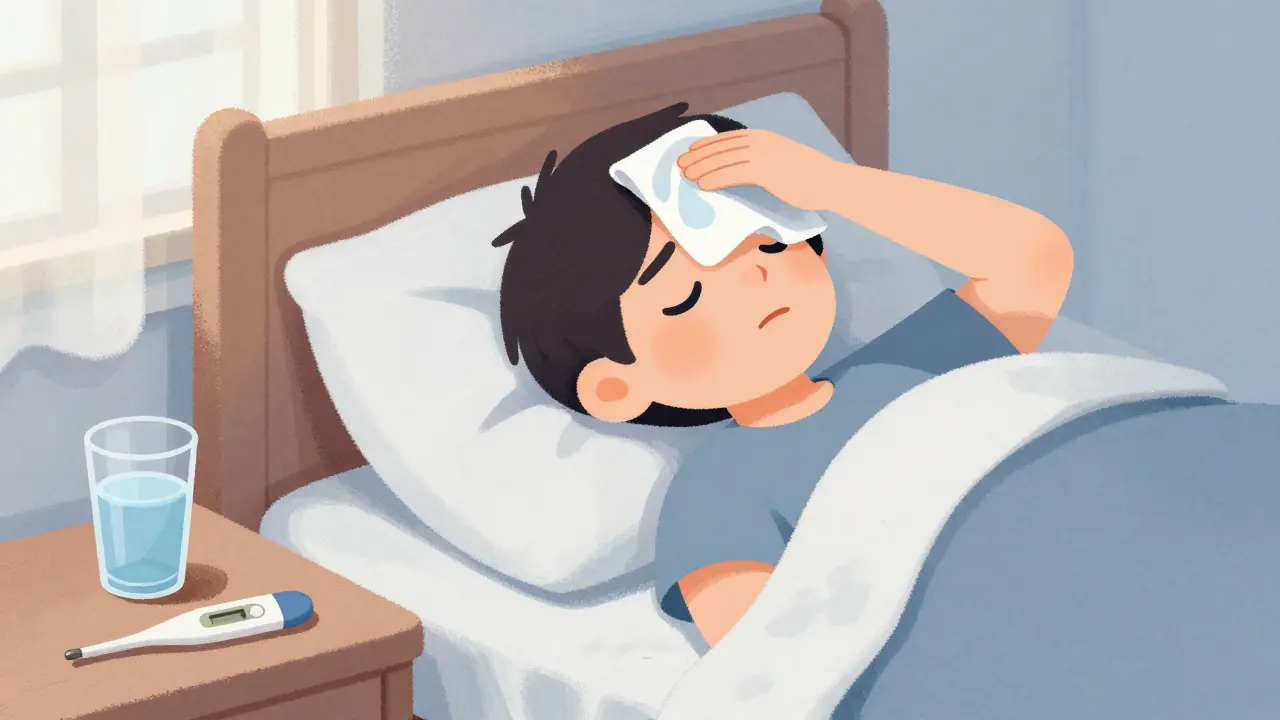

Waking up with chills, a pounding headache, and a forehead that feels like a radiator is an experience most of us have had. Usually, we reach for some ibuprofen and hope for the best. But how do you know when a fever is just your body doing its job and when it's a signal that something is seriously wrong? While most fevers go away on their own, ignoring the warning signs or waiting too long to get help can lead to avoidable hospital stays. The goal isn't to panic at the first sign of a temperature spike, but to know exactly where the "danger zone" begins based on your health and symptoms.
| Fever Grade | Temperature (Fahrenheit) | Temperature (Celsius) | General Action |
|---|---|---|---|
| Low-grade | 99.1°F to 100.4°F | 37.3°C to 38.0°C | Monitor and rest |
| Moderate-grade | 100.6°F to 102.2°F | 38.1°C to 39.0°C | Manage symptoms; track duration |
| High-grade | 102.4°F to 105.8°F | 39.1°C to 41°C | Contact provider if >103°F |
What is actually happening when you have a fever?
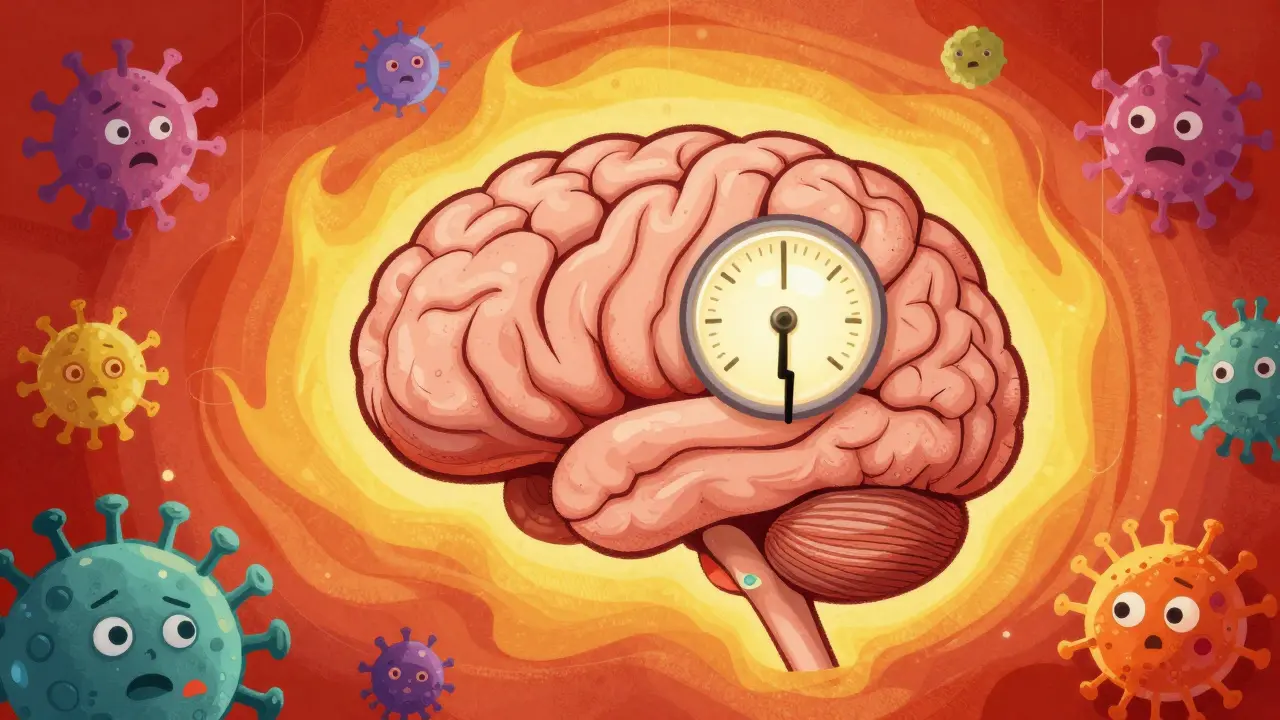
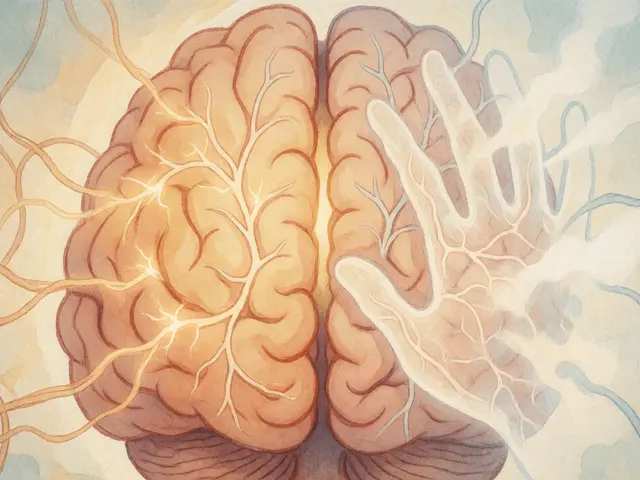
A fever isn't the illness itself; it's a tool. Your Hypothalamus-the part of your brain that acts as a thermostat-intentionally raises your body's temperature set point. Why? Because many Pathogens, such as viruses and bacteria, can't replicate as effectively in a hot environment. By turning up the heat, your body is essentially trying to bake out the intruder.
While we often think of 98.6°F (37°C) as the "gold standard" for normal, the reality is that baseline temperatures vary. Some people naturally run a bit cooler, while others run warmer. Medically, a fever is officially clocked at 100.4°F (38°C) or higher. It's often triggered by the Influenza virus or common bacterial infections, but it can also be a sign of non-infectious issues like rheumatoid arthritis, drug reactions, or even certain types of cancer.
The temperature thresholds: When to call the doctor
Numbers matter, but they aren't the whole story. For a healthy adult, a temperature of 101°F might just mean you need a few days of bed rest. However, once you hit certain benchmarks, the risk of complications increases. Most health guidelines suggest contacting a healthcare provider if your temperature hits 103°F (39.4°C) and doesn't come down with medication or continues to climb.
There is a critical line at 104°F (40°C). Once you cross this threshold, you should seek a physician's consultation immediately. If you hit 105°F (40.6°C), you are in emergency territory. At these extreme levels, the body risks protein denaturation-basically, the proteins in your cells start to lose their shape-which can lead to neurological damage.
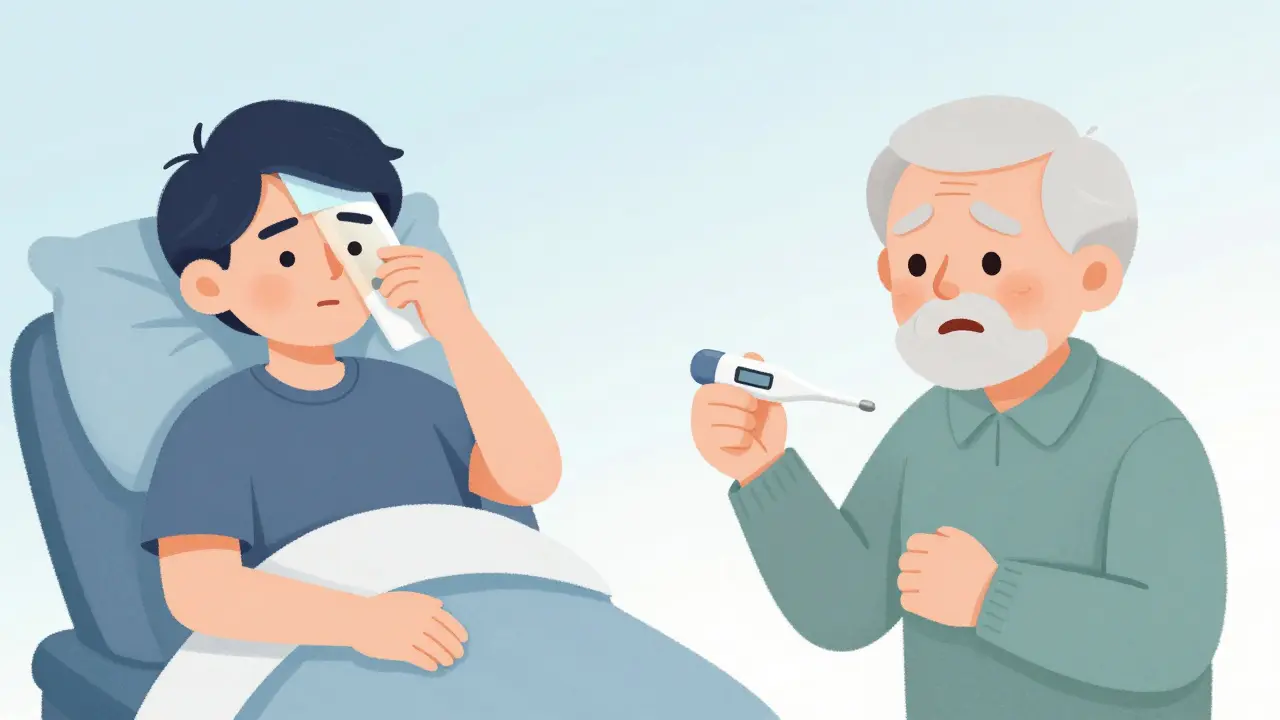
However, these numbers change if you aren't a "standard" healthy adult. If you are over 65 or Immunocompromised (due to chemotherapy, HIV/AIDS, or organ transplants), your threshold for concern is much lower. For these groups, a fever of 101°F (38.3°C) is enough to warrant a call to the doctor. Why? Because a weakened immune system can't fight off infections as effectively, and a "moderate" fever for a young adult could be a sign of a life-threatening infection for a senior.
The 72-hour rule and the danger of waiting
If the temperature isn't sky-high, how long can you wait? The general rule of thumb is 48 to 72 hours. Most viral infections resolve within three days. If you've been running a fever for 72 hours and it's not budging-even if it's only 101°F-it's time for a medical evaluation. This is often the tipping point where a viral issue might actually be a bacterial infection that requires antibiotics.
Waiting too long has real consequences. Data from the American Academy of Urgent Care Medicine suggests that about 30% of adults who visit urgent care for fevers waited longer than they should have. In fact, people who wait until the 96-hour mark to seek care are 2.3 times more likely to end up hospitalized than those who go in within 72 hours. Don't fall into the trap of thinking "it'll go away tomorrow" if you've already been sick for three full days.
Red flags: Symptoms that trump the thermometer
Sometimes the number on the thermometer doesn't matter as much as what else is happening with your body. There are "red flag" symptoms that demand an immediate trip to the Emergency Room, regardless of whether your fever is 101°F or 104°F. If you experience any of the following, stop reading and get help:
- Neurological distress: Confusion, extreme drowsiness, inability to wake up, or seizures.
- Respiratory struggle: Difficulty breathing, shortness of breath, or a bluish tint to your lips or tongue (cyanosis).
- Meningitis signs: A severe headache combined with a stiff neck (difficulty chin-to-chest).
- Systemic failure: Inability to walk, inability to urinate, or sudden loss of consciousness.
- Skin changes: The sudden appearance of a rash, which could indicate toxic shock syndrome or other severe systemic infections.
Other concerning symptoms include severe abdominal pain, painful urination, or a foul-smelling vaginal discharge, all of which suggest the fever is tied to a localized infection that could spread if not treated.
How to get an accurate reading
You can't make a medical decision based on a "hand-on-the-forehead" test. To know if you've actually hit that 103°F mark, you need a reliable tool. For adults, digital oral thermometers are the most accurate and standard choice. Temporal artery (forehead) thermometers are convenient and acceptable, but they are slightly less precise.
Be aware of "false spikes." If you just stepped out of a scorching hot shower, finished a workout, or spent an hour in a sauna, your reading will be artificially high. To get a true baseline, rest in a climate-controlled room for at least 30 minutes before taking your temperature. This prevents a temporary environmental spike from causing unnecessary panic or an unnecessary ER visit.
Managing the fever at home
If you are below the emergency thresholds and don't have red-flag symptoms, your primary goal is comfort and hydration. Over-the-counter medications can help bring the temperature down, but remember that they mask the symptom, not the cause. Keep a log of your temperature readings every few hours and note any new symptoms. This log is incredibly valuable for your doctor if you eventually do need to seek care, as it shows the trajectory of the illness.
Is a fever of 102°F dangerous for a healthy adult?
Generally, no. Most healthy adults can tolerate a fever of 102°F or even 103°F for short periods without long-term issues. The fever is a natural defense mechanism. However, you should monitor the duration; if it lasts more than 72 hours or is accompanied by severe symptoms like a stiff neck or confusion, you need medical attention.
When does a fever become a medical emergency?
A fever becomes an emergency when it reaches 104°F (40°C) or higher, or when it is paired with "red flag" symptoms such as difficulty breathing, seizures, a stiff neck, or a sudden rash. In these cases, the risk of neurological damage or severe systemic infection (sepsis) makes immediate evaluation necessary.
Why do seniors need to see a doctor at a lower temperature?
People aged 65+ and those with compromised immune systems often have a diminished ability to mount a strong febrile response. A fever of 101°F in a senior may indicate a much more severe infection than the same temperature would in a 30-year-old. Additionally, they are at a higher risk for complications like dehydration and pneumonia.
Can I use a forehead thermometer for an accurate reading?
Forehead (temporal artery) thermometers are a good, quick alternative, but digital oral thermometers are considered more accurate for adults. If you use a forehead scanner and get a reading that concerns you, it is a good idea to verify it with an oral thermometer before deciding on a course of action.
What should I do if my fever won't break after 3 days?
If your fever persists beyond 72 hours, you should contact your healthcare provider. While many viruses clear up on their own, a prolonged fever is a statistical indicator that you may have a bacterial infection that requires antibiotics to resolve.
Next steps for different scenarios
If you are healthy and the fever is low: Rest, drink plenty of fluids, and track your temperature. If you feel better after 48 hours, you can likely ride it out. If you don't, call your primary care doctor.
If you have a chronic condition (Diabetes, COPD, Heart Disease): Be more aggressive. Don't wait for 103°F. If you hit 101°F and feel unwell, use a telehealth service or call your doctor immediately to avoid complications.
If you see a rash or feel a stiff neck: Skip the clinic and go straight to the Emergency Room. These are high-priority signals that require immediate diagnostic imaging and blood work.



Mark Koepsell
2 May 2026 at 05:33Hydration is the most overlooked part of this process. Drinking water helps thin mucus and makes it easier for the body to clear infections, while also preventing the dehydration that often accompanies high fevers.