

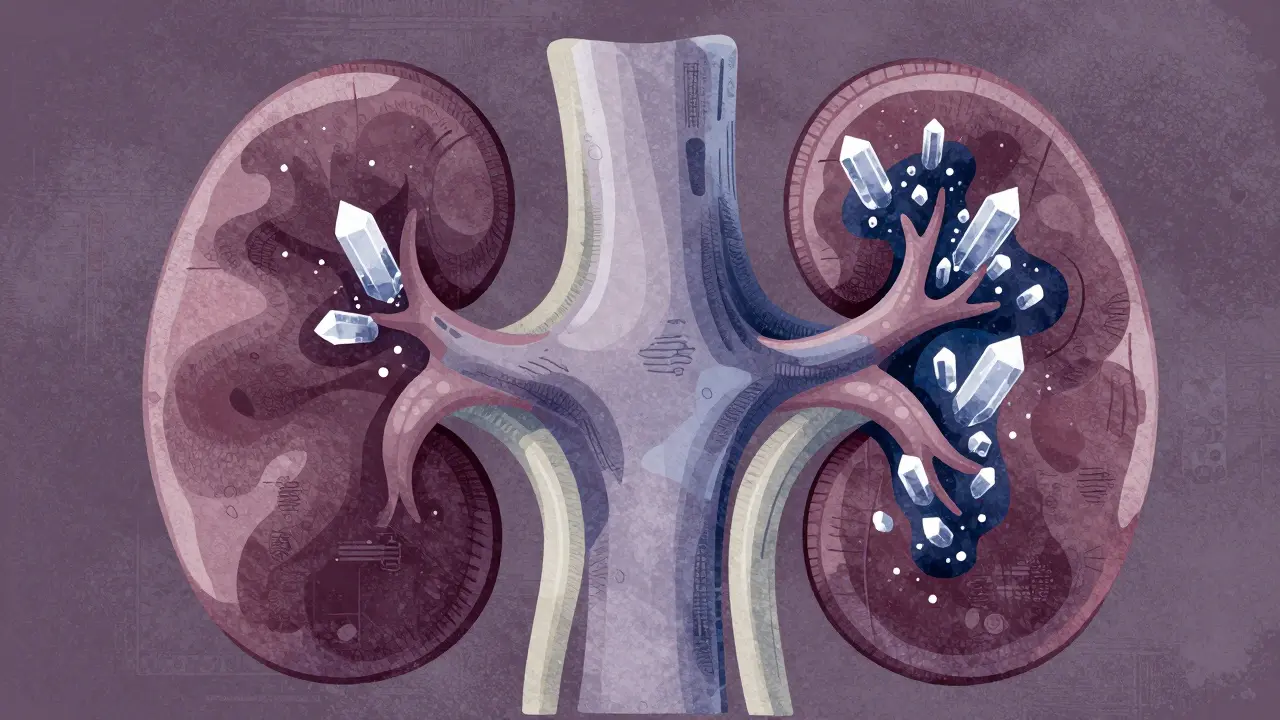

Passing a kidney stone is an experience most people describe as one of the worst pains imaginable. But here is the hard truth that many patients miss: passing a stone isn’t the end of the story. For most people, it’s just the beginning. Kidney stone disease is not a one-time event; it is a chronic metabolic disorder. Without specific changes to your lifestyle and diet, you are looking at a roughly 50% chance of forming another stone within five years.
The good news? You have more control over this than you think. Modern urology has shifted away from simply removing stones toward preventing them in the first place. By understanding the chemistry of your urine and adjusting what you eat and drink, you can drastically lower your risk. This guide breaks down exactly how to stop the cycle, based on current clinical guidelines from major health organizations.
Why Stones Keep Coming Back
To stop stones, you first need to understand why they form. Most stones (about 80%) are made of calcium oxalate. These crystals form when your urine contains too much crystal-forming substances like calcium or oxalate and not enough fluid to dilute them. Think of it like making rock candy: if you have too much sugar and not enough water, crystals will inevitably form.
Your body is constantly filtering waste through your kidneys. If your urine becomes concentrated, these minerals bind together and solidify. Several factors increase this risk:
- Dehydration: Low urine volume is the single biggest risk factor.
- Dietary Imbalance: High sodium, high animal protein, and incorrect calcium intake disrupt urinary chemistry.
- Genetics: Some people naturally excrete more calcium or less citrate (a stone inhibitor) in their urine.
- Medical Conditions: Issues like hyperparathyroidism or gout can alter urine composition.
Recognizing this as a chronic condition changes how you approach treatment. It requires long-term management, not just acute pain relief during an attack.
The Golden Rule: Hydration Targets
If you do only one thing to prevent stones, make it drinking more water. Every major guideline, including those from the European Association of Urology (EAU) and the National Kidney Foundation (NKF), agrees that increasing urine volume is the most effective prevention strategy.
But "drink more water" is vague advice. You need specific targets. The goal is to produce at least 2.5 liters of urine per day. To achieve this, you typically need to consume between 2.5 and 3 liters of fluids daily. This accounts for the fluid you lose through sweat, breathing, and digestion.
| Metric | Target Value | Notes |
|---|---|---|
| Daily Fluid Intake | 2.5 - 3 Liters | Increase during exercise or hot weather |
| Daily Urine Output | > 2.5 Liters | Urine should look pale yellow or clear |
| Best Beverage | Water | Plain water is ideal; avoid sugary drinks |
A practical tip from the NHS is to add fresh lemon juice to your water. Lemons contain citrate, which binds to calcium in the urine and prevents it from forming stones. However, thirst is not a reliable indicator of hydration. By the time you feel thirsty, you are already slightly dehydrated. Aim to drink consistently throughout the day rather than chugging large amounts at once.
Navigating the Calcium Paradox
Here is where most people get it wrong. Since most stones contain calcium, logic suggests you should eat less calcium. In fact, doing so increases your risk of stones. This is known as the calcium paradox.
When you eat calcium-rich foods, the calcium binds with oxalate in your digestive tract. This bound complex is then excreted in your stool, never entering your bloodstream or urine. If you restrict dietary calcium, more free oxalate is absorbed into your blood, filtered by your kidneys, and excreted in your urine. High urinary oxalate leads directly to calcium oxalate stones.
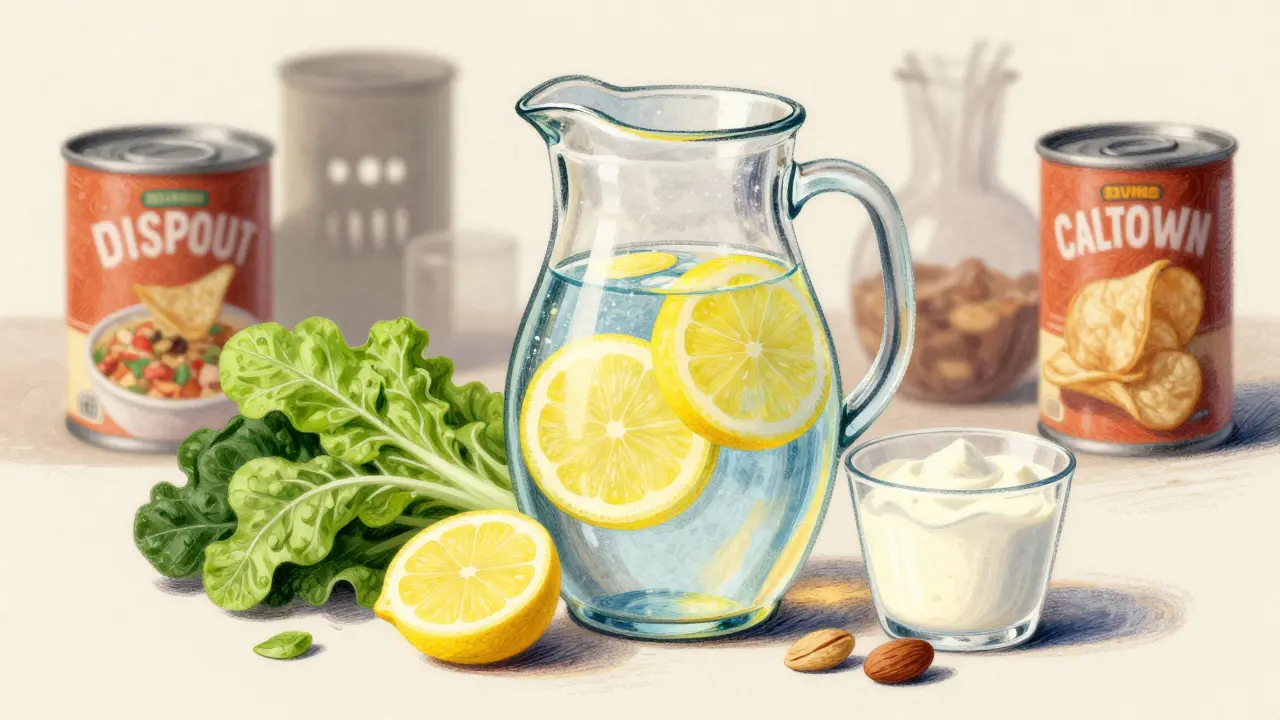
Current guidelines explicitly state: do not cut out calcium. Instead, aim for normal dietary calcium intake, primarily from food sources like milk, yogurt, and leafy greens. Avoid high-dose calcium supplements unless prescribed by a doctor, as these can sometimes spike urinary calcium levels if not taken with meals.
Sodium and Protein: The Hidden Drivers
While calcium gets the attention, sodium and animal protein are often the real culprits behind stone formation.
Sodium: High salt intake forces your kidneys to excrete more calcium into your urine. This is called hypercalciuria. The American Academy of Family Physicians recommends limiting sodium to 2 grams (about 5 grams of salt) per day. Remember that 75% of dietary sodium comes from processed foods, not the salt shaker. Watch out for canned soups, deli meats, and fast food.
Animal Protein: Eating large amounts of beef, pork, poultry, eggs, and fish makes your urine more acidic. Acidic urine promotes the formation of calcium oxalate and uric acid stones. It also lowers urinary citrate, removing a natural protective barrier. Limit animal protein to about 8 ounces (225 grams) per day. Consider swapping some meat for plant-based proteins like beans or lentils, which tend to be less acidic.
Oxalate Management: Balance, Not Fear
Oxalate is a natural compound found in many healthy plant foods. You don't need to eliminate all oxalate-rich foods, but you should manage them strategically. Foods high in oxalate include spinach, rhubarb, nuts, beetroot, and tea.
The key strategy is pairing high-oxalate foods with calcium-rich foods at the same meal. For example, if you are eating a spinach salad, include cheese or a calcium-fortified dressing. This ensures the oxalate binds to the calcium in your gut rather than your kidneys.
If you have a history of high-oxalate stones, your doctor might recommend a low-oxalate diet. This usually means keeping daily oxalate intake below 100-150 mg. Always consult a dietitian before making drastic cuts, as oxalate-rich foods provide essential nutrients like fiber and vitamins.
The Role of Citrate and the DASH Diet
Citrate is a powerful inhibitor of stone formation. It works by binding to calcium in the urine, preventing it from crystallizing. As mentioned, lemons and limes are excellent natural sources. Adding fresh lemon juice to your water is a simple, evidence-backed habit.
For a broader dietary approach, consider the DASH diet (Dietary Approaches to Stop Hypertension). Studies show that following the DASH diet can reduce kidney stone risk by 40-50%. This diet emphasizes fruits, vegetables, whole grains, and low-fat dairy while limiting red meat, sweets, and sugar-sweetened beverages. It naturally balances sodium, potassium, and magnesium, creating an environment in your urine that discourages stone formation.
Monitoring and Medical Follow-Up
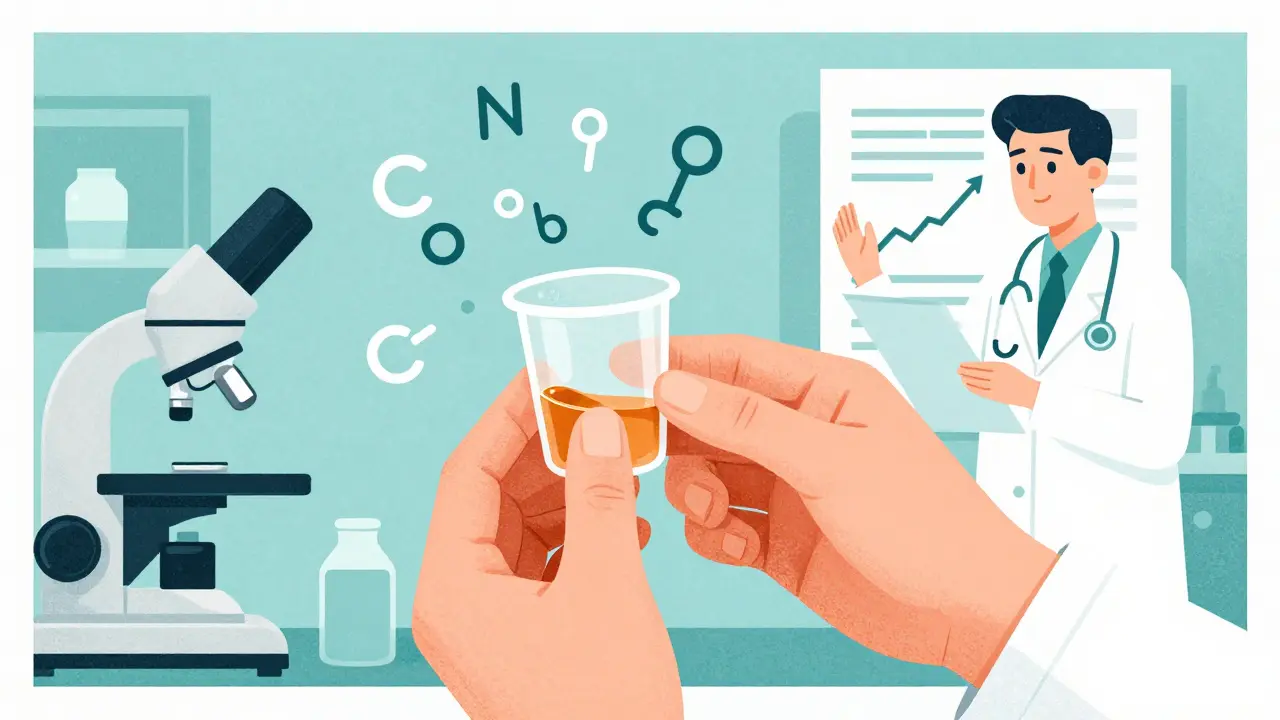
Prevention is not a "one and done" task. Because kidney stone disease is chronic, ongoing monitoring is crucial. After your first stone, ask your urologist for a metabolic workup. This typically involves a 24-hour urine collection test.
This test measures exactly what is in your urine over a full day. It checks levels of calcium, oxalate, citrate, sodium, and pH. Based on these results, your doctor can tailor recommendations specifically to your biology. For instance, if your urine pH is too low, they might prescribe potassium citrate. If your calcium excretion is high, they might adjust your diet or prescribe medication like hydrochlorothiazide.
Follow-up tests are usually done 8 to 12 weeks after starting any new treatment or dietary change to ensure they are working. Don't assume your habits are correct without data; your urine chemistry tells the real story.
How much water should I drink to prevent kidney stones?
You should aim to drink enough fluid to produce at least 2.5 liters of urine per day. This usually requires consuming 2.5 to 3 liters of fluid daily, mostly water. Your urine should appear pale yellow or clear. Increase intake during exercise or hot weather.
Should I avoid calcium to prevent stones?
No, you should not avoid calcium. Dietary calcium helps bind oxalate in the gut, preventing it from being absorbed into the bloodstream and reaching the kidneys. Restricting calcium can actually increase stone risk. Aim for normal dietary calcium intake from food sources.
What foods should I limit to prevent kidney stones?
Limit high-sodium foods (processed meats, canned soups, fast food) to under 2 grams of sodium per day. Reduce animal protein intake to about 8 ounces per day. Be cautious with high-oxalate foods like spinach, nuts, and rhubarb, especially if you have a history of calcium oxalate stones.
Does lemon juice really help prevent kidney stones?
Yes. Lemon juice is rich in citrate, which inhibits stone formation by binding to calcium in the urine. The NHS recommends adding fresh lemon juice to your water as a preventive measure. It is a simple, effective way to boost urinary citrate levels.
What is the recurrence rate for kidney stones?
Without intervention, approximately 50% of people will form another stone within 5 years. With proper dietary and lifestyle modifications, this risk can be significantly reduced. Long-term studies show recurrence rates of 14% at 1 year, 35% at 5 years, and 52% at 10 years if untreated.


Elizabeth Holden
3 May 2026 at 00:00you people really think drinking water is the cure for everything?? 🙄 its not that simple. most of you are just dehydrated because you refuse to listen to your body. also why do doctors keep pushing this lemon juice thing? it’s basically just acid. i bet they get paid by citrus companies. anyway, stop eating processed garbage and maybe you won’t need a guide. dumb.