

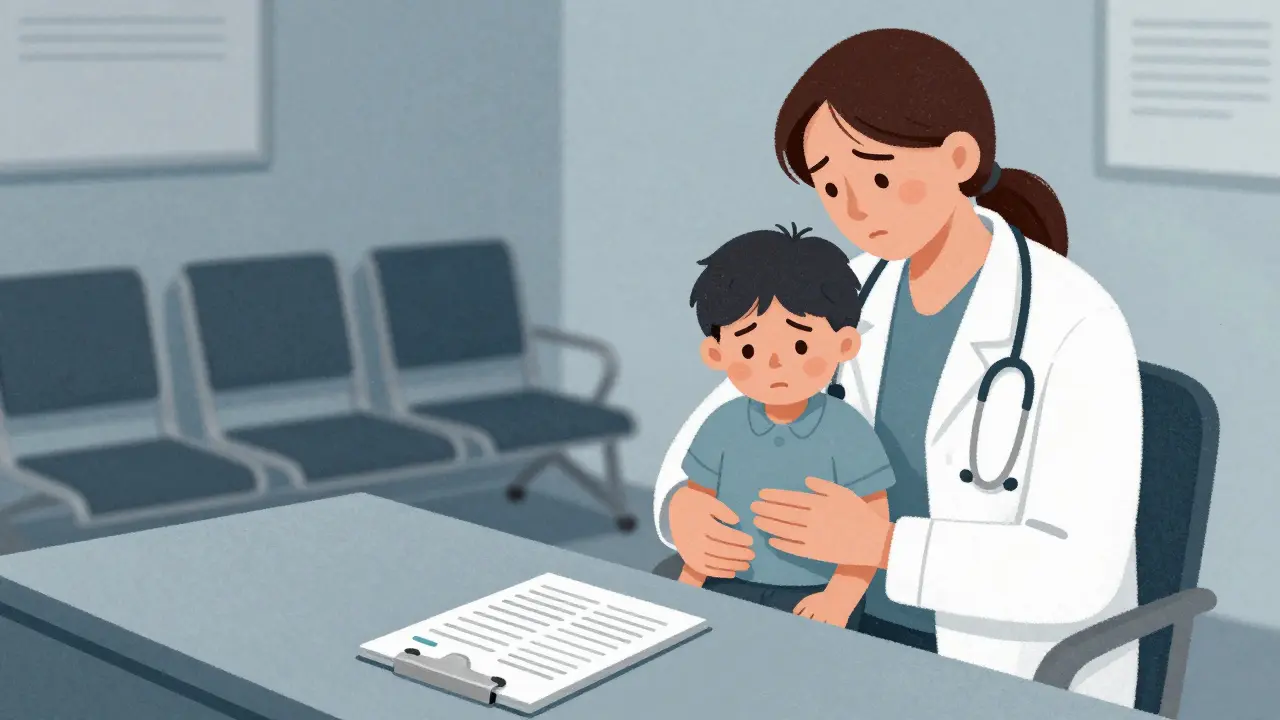

It is a stressful moment for any parent. Your child has a high fever, refuses to eat, and looks miserable. You rush to the doctor, hoping for a quick fix. When the prescription pad comes out with antibiotics, you might feel relieved. But should you? The reality is that most childhood illnesses are caused by viruses, not bacteria. Antibiotics do nothing against viruses. Using them incorrectly can lead to serious side effects, contribute to dangerous drug resistance, and cause unnecessary harm to your child’s developing body.
Understanding when antibiotics are truly necessary, how to spot a genuine allergy versus a minor side effect, and how to administer these medications safely is crucial for every caregiver. This guide breaks down the medical facts into clear, actionable advice so you can make informed decisions about your child’s health.
When Are Antibiotics Actually Necessary?
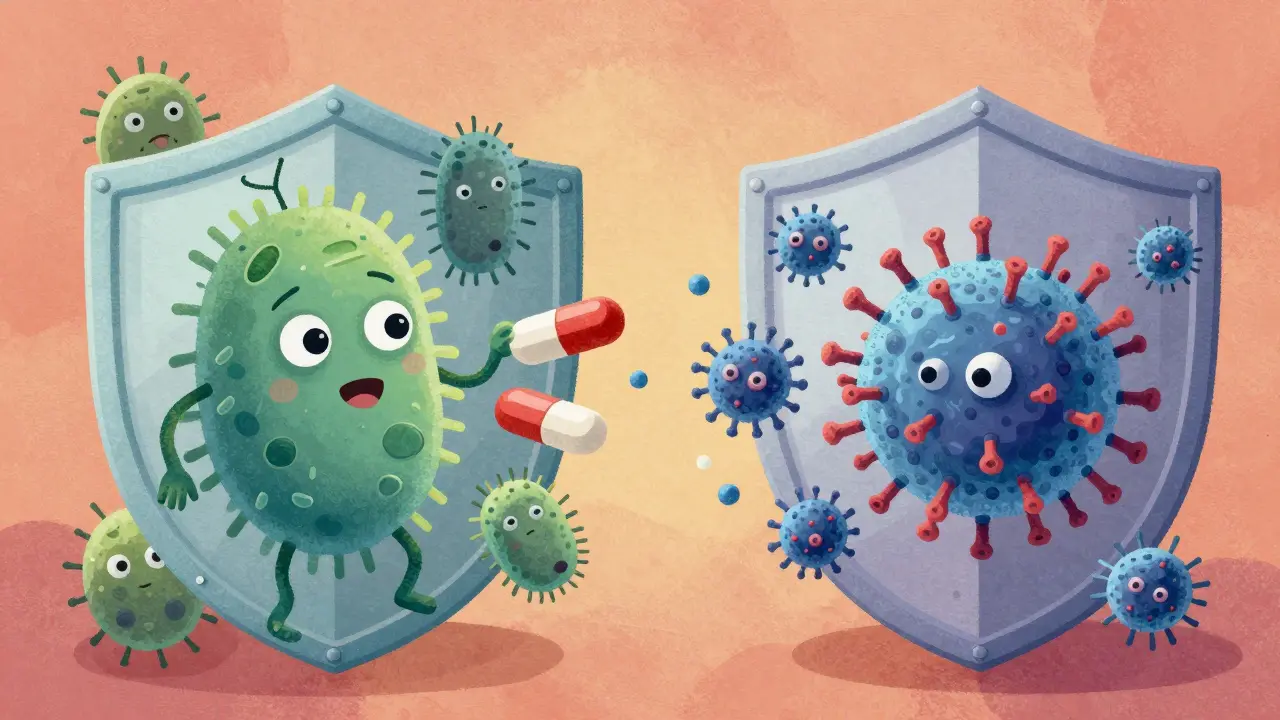
The biggest mistake parents and even some doctors make is assuming that an infection automatically requires antibiotics. To understand why this is wrong, we need to look at what causes illness. There are two main types of pathogens: bacteria and microscopic organisms that can cause infections like strep throat or ear infections, and viruses and infectious agents that cause colds, flu, and most respiratory issues.
Antibiotics are designed specifically to kill bacteria or stop them from growing. They have zero effect on viruses. According to data from Children's Hospital Colorado, approximately 99% of diarrhea and vomiting cases in children are viral. Similarly, the common cold is 100% viral. If you give antibiotics for a cold, you are giving your child a powerful drug with potential risks for absolutely no benefit.
So, when should you use them? Antibiotics are appropriate for specific bacterial infections. These include:
- Strep Throat: About 20% of sore throats in children are caused by Group A Streptococcus bacteria. This requires testing (a rapid antigen test or culture) to confirm. If positive, antibiotics prevent complications like rheumatic fever.
- Acute Otitis Media (Ear Infections): While many ear irritations resolve on their own, severe cases with moderate to severe pain or fluid draining from the ear often require treatment.
- Pneumonia: Roughly 10% of pneumonia cases in children are bacterial and need antibiotics. The other 90% are viral.
- Sinus Infections: Most sinus congestion is viral. Antibiotics are only needed if symptoms last more than 10 days without improvement or worsen after initial improvement.
If your child has a runny nose, cough, or mild sore throat, it is likely viral. Watchful waiting is often the best strategy. The CDC recommends observing children aged 6-23 months with non-severe unilateral ear infections for 72 hours before starting antibiotics, as many will recover naturally.
Common Antibiotics Used in Pediatrics
Not all antibiotics are the same. Doctors choose specific classes based on the type of bacteria suspected and the child’s age. Here are the most common ones you might encounter:
| Antibiotic Class | Common Examples | Typical Use Cases | Dosing Frequency |
|---|---|---|---|
| Penicillins | Amoxicillin, Penicillin G | First-line for ear infections, strep throat, sinusitis | Twice daily (every 12 hours) |
| Cephalosporins | Cefdinir, Ceftibuten | Complicated ear infections, pneumonia, recurrent infections | Once or twice daily |
| Macrolides | Azithromycin, Erythromycin | Whooping cough, mild pneumonia, penicillin-allergic patients | Once daily (often shorter courses) |
Amoxicillin is the most frequently prescribed antibiotic for children because it is effective against a broad range of bacteria and has a favorable safety profile. The standard dose for acute otitis media is 80-90 mg/kg/day divided into two doses. It is critical to follow weight-based dosing instructions provided by your pediatrician, as under-dosing can lead to treatment failure.
Side Effects: What to Expect
Even when used correctly, antibiotics can cause side effects. Studies show that 4-10% of children treated for ear infections experience adverse effects. For most kids, these are mild and manageable, but knowing what to look for helps reduce anxiety.
The most common side effects involve the digestive system. Antibiotics kill bad bacteria, but they also kill good bacteria in the gut. This imbalance can lead to:
- Diarrhea: Affects 5-25% of children, depending on the antibiotic class.
- Nausea: Occurs in 3-18% of cases.
- Vomiting: Seen in 2-10% of children.
- Yeast Infections: Oral thrush or diaper rash caused by yeast overgrowth occurs in 1-5% of cases.
To manage these issues, give antibiotics with food unless instructed otherwise. Probiotics (found in yogurt or supplements) may help restore gut balance, though you should space them out by at least two hours from the antibiotic dose to ensure the probiotics aren't killed by the medication.
Allergies vs. Side Effects: Knowing the Difference
This is one of the most confusing areas for parents. Many children are labeled "allergic" to penicillin when they actually just had a side effect. Understanding the difference is vital for your child’s future healthcare.
Mild Side Effects (Not Allergies): A mild rash without itching, slight nausea, or loose stools is usually a side effect, not an allergy. In fact, 80-90% of rashes reported during antibiotic treatment are not true allergic reactions. These do not require avoiding the drug in the future.
True Allergic Reactions: These are immune system responses and can be dangerous. Signs include:
- Hives: Raised, itchy welts on the skin (occurs in 0.05-0.1% of courses).
- Facial Swelling: Swelling of the lips, tongue, or eyes (0.01-0.05%).
- Wheezing or Difficulty Breathing: Indicates airway constriction (0.02-0.8%).
- Anaphylaxis: A severe, life-threatening reaction requiring immediate emergency care (0.01-0.04%).
If your child experiences hives, swelling, or breathing difficulties, seek emergency help immediately. Keep a record of the specific antibiotic and the reaction details. Note that family history does not predict allergy; studies show 95% of children labeled allergic due to family history can safely take penicillin. Always consult an allergist for proper testing if you suspect a true allergy.
The Danger of Antibiotic Resistance
Why are doctors so hesitant to prescribe antibiotics for viral illnesses? The answer is antibiotic resistance and the ability of bacteria to evolve and survive drugs designed to kill them. This is a global public health crisis.
When antibiotics are used unnecessarily, they kill off sensitive bacteria, leaving behind resistant strains. These "superbugs" are harder to treat and can spread to others. The CDC reports that 30% of outpatient antibiotic prescriptions for children are unnecessary. This misuse contributes to resistant infections causing over 2.8 million illnesses and 35,000 deaths annually in the United States alone.
For example, 47% of Streptococcus pneumoniae isolates (a common cause of ear infections) now show penicillin resistance, up from 35% in 2013. By using antibiotics only when strictly necessary, you protect not just your child, but the entire community. As Dr. Charles Woods, Professor of Pediatrics, states, "The most powerful antibiotic we have for most childhood illnesses is time and supportive care."

How to Administer Antibiotics Correctly
If your child needs antibiotics, proper administration is key to success. Here are practical tips to ensure the medication works:
- Complete the Full Course: Even if your child feels better after two days, finish the entire prescription. Stopping early allows surviving bacteria to multiply and become resistant. Approximately 30% of parents mistakenly stop early, increasing resistance risk.
- Timing Matters: Amoxicillin is typically given twice daily, exactly 12 hours apart. Set alarms if needed. Consistency maintains the right level of drug in the bloodstream.
- Handling Vomiting: If your child vomits within 30 minutes of taking the dose, repeat the full dose. If vomiting occurs 30-60 minutes later, repeat half the dose. Consult your pharmacist for specific guidance.
- Taste Masking: 43% of children resist liquid antibiotics due to bitter taste. Mix small amounts with chocolate syrup or applesauce. Do not mix with large meals as this can interfere with absorption. Compounding pharmacies can also flavor medications.
- Monitor Progress: You should see improvement within 48-72 hours. If symptoms worsen or do not improve, contact your doctor. Do not wait until the bottle is empty.
Remember, yellow or green nasal discharge does not automatically mean a bacterial infection. Color change is normal in viral colds. Trust the diagnosis and the prescribed plan.
Frequently Asked Questions
Can I give my child leftover antibiotics from a previous illness?
No, never give leftover antibiotics. The dosage may be incorrect for the current infection, the bacteria may be different, and the medication may have expired. This practice contributes to antibiotic resistance and can lead to treatment failure.
How long does it take for antibiotics to start working in children?
Most children show signs of improvement within 48 to 72 hours after starting antibiotics. If there is no improvement or symptoms worsen after three days, contact your pediatrician for reassessment.
Is a rash always a sign of antibiotic allergy?
No. Most rashes (80-90%) are side effects, not allergies. True allergic rashes usually present as hives (raised, itchy welts) and may be accompanied by swelling or breathing difficulties. Mild flat rashes are often harmless and do not require stopping the medication unless advised by a doctor.
What should I do if my child refuses to take liquid antibiotics?
Try mixing the dose with a small amount of strong-flavored food like chocolate syrup, applesauce, or ice cream. Avoid mixing with large meals. You can also ask your pharmacist about compounding services that offer flavored versions of the medication.
Do antibiotics cause diarrhea in children?
Yes, diarrhea is a common side effect, affecting 5-25% of children. It happens because antibiotics kill beneficial gut bacteria along with the harmful ones. Offering probiotic-rich foods like yogurt (spaced two hours apart from the dose) can help maintain gut health.
When should I seek emergency care for an antibiotic reaction?
Seek immediate emergency care if your child experiences difficulty breathing, wheezing, swelling of the face/lips/tongue, or widespread hives. These are signs of a severe allergic reaction (anaphylaxis) that requires urgent medical attention.
Can antibiotics treat the common cold or flu?
No. The common cold and flu are caused by viruses. Antibiotics only work against bacterial infections. Using them for viral illnesses provides no benefit and increases the risk of side effects and antibiotic resistance.
Write a comment