



Anticholinergic Burden Calculator
Calculate your anticholinergic burden score to see your risk of brain fog and memory problems. Higher scores indicate greater risk. The Beers Criteria is a standard tool doctors use to identify high-risk medications for older adults.
Selected Medications
Waking up feeling like your brain is wrapped in cotton? Forgetting where you put your keys, struggling to follow a conversation, or blanking on simple words? If you’ve started a new medication recently, it might not be aging-it could be the drug itself. Brain fog and memory problems from medications are more common than most people realize, and the good news? They’re often completely reversible.
What’s Really Going On in Your Brain?
Your brain runs on chemicals-neurotransmitters like acetylcholine, serotonin, and dopamine-that carry signals between nerve cells. Some medications accidentally block or overload these signals. When that happens, memory formation, attention, and mental clarity take a hit. The biggest culprits? Drugs that fight allergies, help you sleep, ease pain, or calm anxiety. These aren’t rare side effects. About 30% of older adults on multiple medications experience noticeable cognitive slowdown. But it’s not just seniors-anyone on these drugs can feel it. Take diphenhydramine, the active ingredient in Benadryl and Tylenol PM. It’s an anticholinergic, meaning it blocks acetylcholine, a key player in learning and memory. A 2015 study found that people who used it regularly for years had a 54% higher risk of developing dementia. That’s not a small risk. And it’s not just prescription drugs-over-the-counter sleep aids are just as potent.Top Medications That Cause Brain Fog
Not all drugs affect the brain the same way. Here are the most common offenders, ranked by how often they cause trouble:- Anticholinergics - Block acetylcholine. Includes diphenhydramine, oxybutynin (for bladder control), tricyclic antidepressants like amitriptyline. These carry the highest risk-up to 4.5 times greater chance of memory problems compared to non-users.
- Benzodiazepines and sleep pills - Xanax, Ambien, zopiclone. These calm the brain by slowing activity in the hippocampus, where memories are formed. Studies show they can reduce memory transfer by 30%. Ambien users report memory gaps in 15% of cases.
- Opioid painkillers - Oxycodone, hydrocodone. They dull pain but also blunt working memory. At standard doses, users lose about 25% of their ability to hold and use information in the moment.
- Tricyclic antidepressants - Elavil, Tofranil. These are old-school antidepressants with strong anticholinergic effects. One study showed a 4.2-fold increase in memory disorders compared to newer SSRIs like sertraline.
- Corticosteroids - Prednisone. At doses above 20mg/day, these can cause sudden confusion, mood swings, and memory lapses that look like depression or early dementia.
- Chemotherapy drugs - Known as "chemo brain." About 75% of cancer patients report trouble focusing, forgetting names, or losing track of thoughts. For 35%, it lasts months or even years after treatment ends.
Statins, often blamed for memory issues, don’t show consistent evidence in large studies. The 2013 JAMA analysis of over 1,000 people found no real difference in memory between those on statins and those on placebo.
How to Know It’s the Medication-Not Aging or Alzheimer’s
This is critical: medication-induced brain fog is not the same as Alzheimer’s or other neurodegenerative diseases. Alzheimer’s creeps in slowly over years. Medication brain fog shows up fast-often within days or weeks of starting a new drug. Here’s how to tell the difference:- Sudden onset - Did your memory problems start after you began a new pill? That’s a red flag.
- Reversible - Symptoms fade after stopping the drug, usually within days to two weeks.
- Consistent pattern - You feel foggy right after taking the pill, especially if it’s taken in the morning.
- No other neurological signs - No trouble walking, speaking, or recognizing loved ones. Just mental sluggishness.
One Reddit user described taking 5mg of Ambien for two weeks and waking up with no memory of the night before. After stopping, the blackouts vanished in 72 hours. That’s textbook drug-induced amnesia-not dementia.
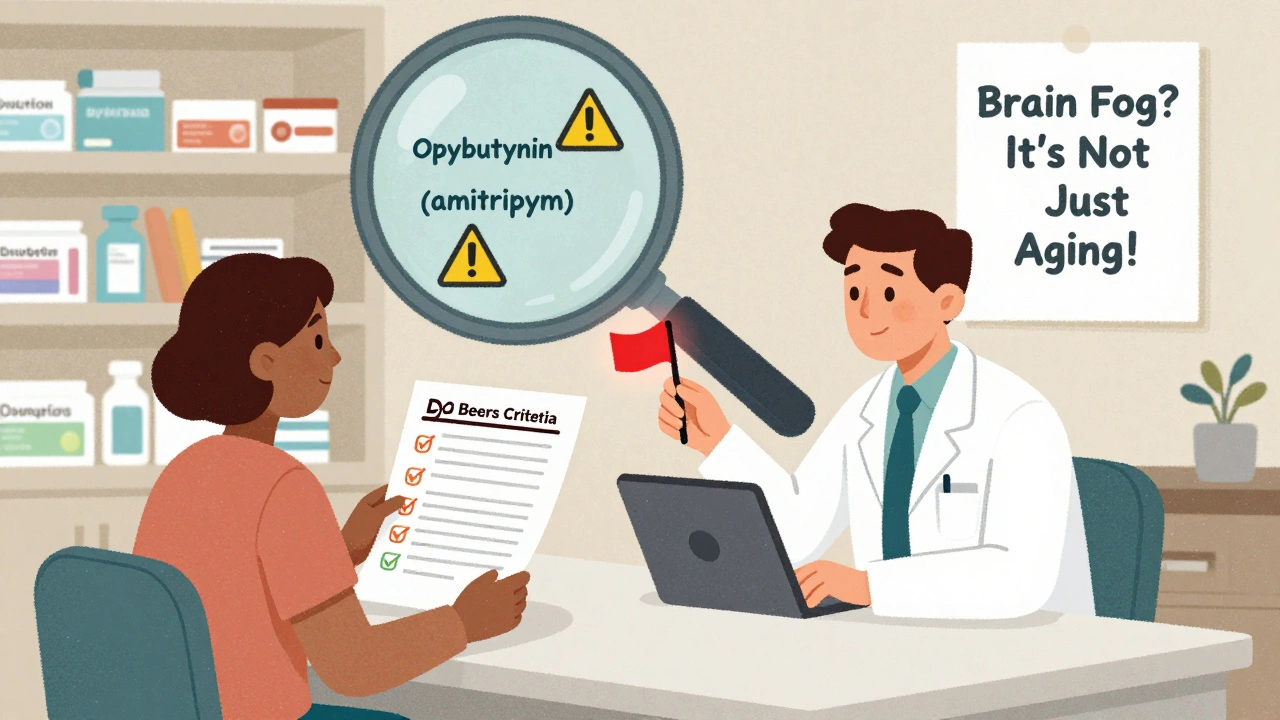
What to Do If You Suspect Your Medication Is the Problem
Don’t quit cold turkey. Some drugs, like benzodiazepines or antidepressants, can cause dangerous withdrawal. But you don’t have to live with brain fog either. Follow this step-by-step plan:- Make a full list - Write down every medication, supplement, and OTC product you take. Include dosages and times.
- Look for anticholinergic burden - Check if any of your meds are on the Beers Criteria list (used by doctors to flag high-risk drugs for seniors). There are 52 such drugs now.
- Ask your doctor to review - Say: "I’ve noticed my memory and focus have gotten worse since I started [drug]. Could this be related?" Bring your list.
- Try one change at a time - Your doctor will likely suggest switching or reducing one drug first. Wait 2-4 weeks to see if symptoms improve before moving to the next.
- Track your progress - Keep a simple journal: "Day 1: Felt foggy after 10am. Day 5: Clearer after stopping Benadryl."
Harvard Health recommends starting with anticholinergic drugs first-they have the strongest link to cognitive decline. Cutting just one can improve test scores on memory assessments by 15-20% within 4-6 weeks.
Better Alternatives That Won’t Fog Your Mind
There are almost always safer options. Here’s what to ask your doctor about:- For sleep: Swap diphenhydramine or Ambien for melatonin (0.5-5mg) or trazodone (25-50mg). Clinical trials show 85% of users see improvement within two weeks.
- For allergies: Switch from Benadryl to loratadine (Claritin), cetirizine (Zyrtec), or fexofenadine (Allegra). These are non-sedating and have almost no anticholinergic effect.
- For depression: If you’re on amitriptyline, ask about SSRIs like sertraline or escitalopram. They’re just as effective for mood with far less brain fog.
- For pain: Instead of opioids, try duloxetine (Cymbalta) at 60mg/day. It’s 40% less likely to impair memory than equivalent opioid doses.
- For bladder issues: Oxybutynin is a major offender. Ask about mirabegron (Myrbetriq), which works differently and doesn’t touch acetylcholine.
Timing matters too. Take sleep meds or sedating drugs at night-not in the morning. A Johns Hopkins study found that simply moving a drowsy medication to bedtime reduced daytime brain fog by 35% in 78% of patients.
What’s Changing in Medicine Right Now
Doctors are waking up to this problem. In 2024, the FDA required all benzodiazepine labels to include warnings about memory loss. Electronic health records now flag high anticholinergic burden automatically. Hospitals are using tools like the Drug Burden Index to catch risky combinations before they cause harm. New drugs are coming. Daridorexant, a next-gen sleep aid in Phase III trials, shows 92% less cognitive impairment than Ambien. Pharmacogenomic testing is also emerging-some labs can now check your genes (like CYP2D6) to predict how you’ll metabolize certain drugs. That means your doctor could one day choose medications based on your DNA, not guesswork. Medicare now pays pharmacists to review your meds for cognitive risk. That’s huge. It means you can get a free, expert review of your entire list-no doctor’s appointment needed.Real Stories: People Who Got Their Memory Back
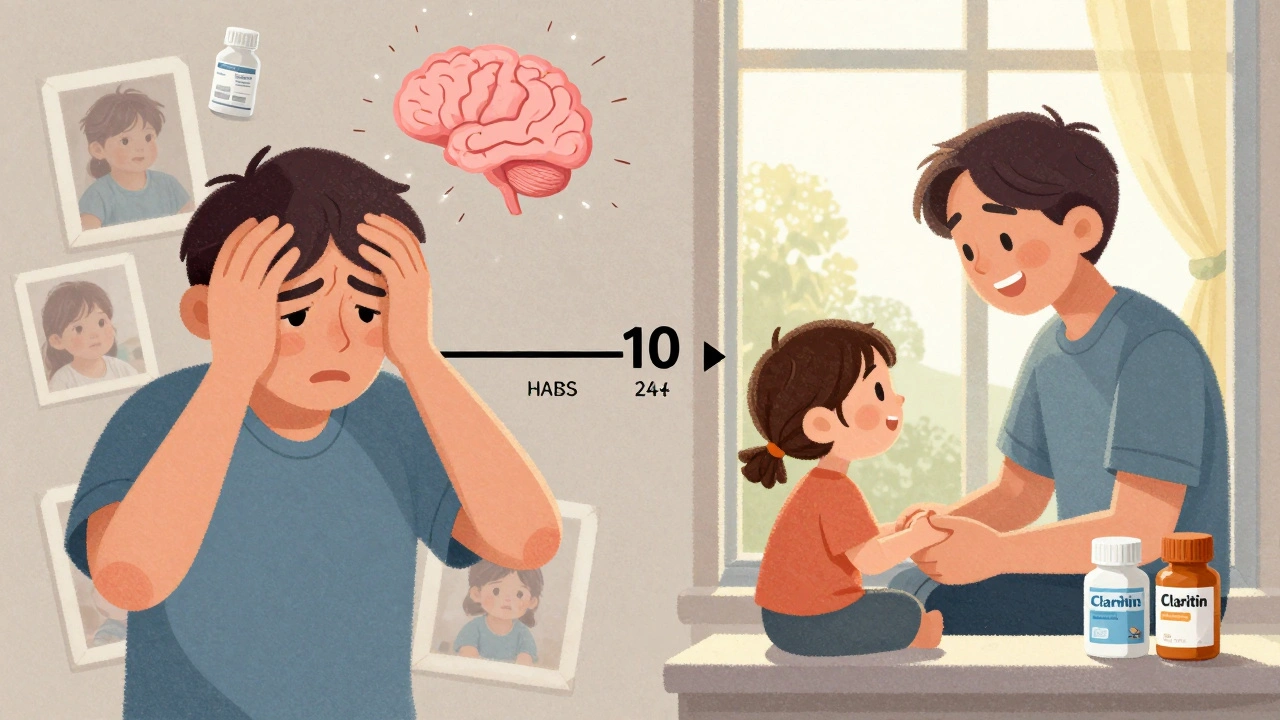
A 68-year-old woman started oxybutynin for incontinence and suddenly couldn’t remember her grandchildren’s names. She was diagnosed with "early dementia." After switching to mirabegron, her memory returned in 10 days. Another man took Tylenol PM every night for years. He’d wake up confused, forget appointments, and feel like he was "in a tunnel." He switched to melatonin. Within a week, he was sleeping better-and thinking clearly again. AARP’s 2023 survey of 2,500 adults over 50 found that 62% blamed their memory problems on meds. Sleep aids, antihistamines, and painkillers topped the list. When they talked to their doctors and made changes, most saw improvement.What You Can Do Today
You don’t need to wait for your next appointment. Start here:- Check your medicine cabinet. Do you have any OTC sleep aids or allergy pills with diphenhydramine? Put them in the trash.
- Write down every pill you take. Include vitamins and herbal supplements.
- Call your pharmacy. Ask if any of your meds are on the Beers Criteria list.
- Next time you see your doctor, say: "I think my memory issues might be from my meds. Can we review them?"
Brain fog from medication isn’t normal aging. It’s a side effect-and it’s fixable. The sooner you act, the sooner your mind clears up.
Can over-the-counter sleep aids cause memory loss?
Yes. Sleep aids containing diphenhydramine (like Benadryl, Tylenol PM, or Unisom) are anticholinergic drugs that block acetylcholine, a brain chemical critical for memory. Studies show regular use increases dementia risk by 54% over seven years. Even short-term use can cause confusion, blackouts, and next-day brain fog.
How long does it take for brain fog to go away after stopping a medication?
It varies. For most people, symptoms improve within 3-14 days after stopping the drug. Anticholinergics and benzodiazepines often clear up fastest-sometimes in just 72 hours. For drugs like antidepressants or opioids, tapering slowly may be needed, and improvement can take 2-6 weeks. Chemo brain can linger for months.
Are antidepressants linked to memory problems?
Older tricyclic antidepressants like amitriptyline have strong anticholinergic effects and are linked to a 4.2-fold higher risk of memory disorders. Newer SSRIs like sertraline or fluoxetine have much lower risk-only about 1.8 times higher than non-users. If you’re on an older antidepressant and notice brain fog, ask your doctor about switching.
Can statins cause memory loss?
Some people report memory issues with statins, but large studies don’t support a strong link. A 2013 JAMA study of over 1,000 people found no difference in memory between those taking statins and those on placebo after six months. If you’re concerned, talk to your doctor-but don’t stop without guidance.
What’s the safest sleep aid for older adults?
Melatonin (0.5-5mg) and trazodone (25-50mg) are the safest choices. They don’t block acetylcholine and don’t cause next-day brain fog. Clinical trials show 85% of users see improvement in memory and alertness within two weeks. Avoid diphenhydramine, zolpidem (Ambien), and benzodiazepines.
Can medication-induced brain fog be permanent?
In most cases, no. Stopping the drug reverses the fog. The exception is "chemo brain," which can last months or years after cancer treatment ends. But even then, many people recover fully over time. True permanent damage from common medications like sleep aids or painkillers is extremely rare.









Joanne Rencher
3 Dec 2025 at 16:27I swear every time I take Benadryl I feel like I’m underwater. No joke. I forgot my own birthday last year because I was on that stuff for allergies. Why do pharmacies even sell this poison like it’s candy?