

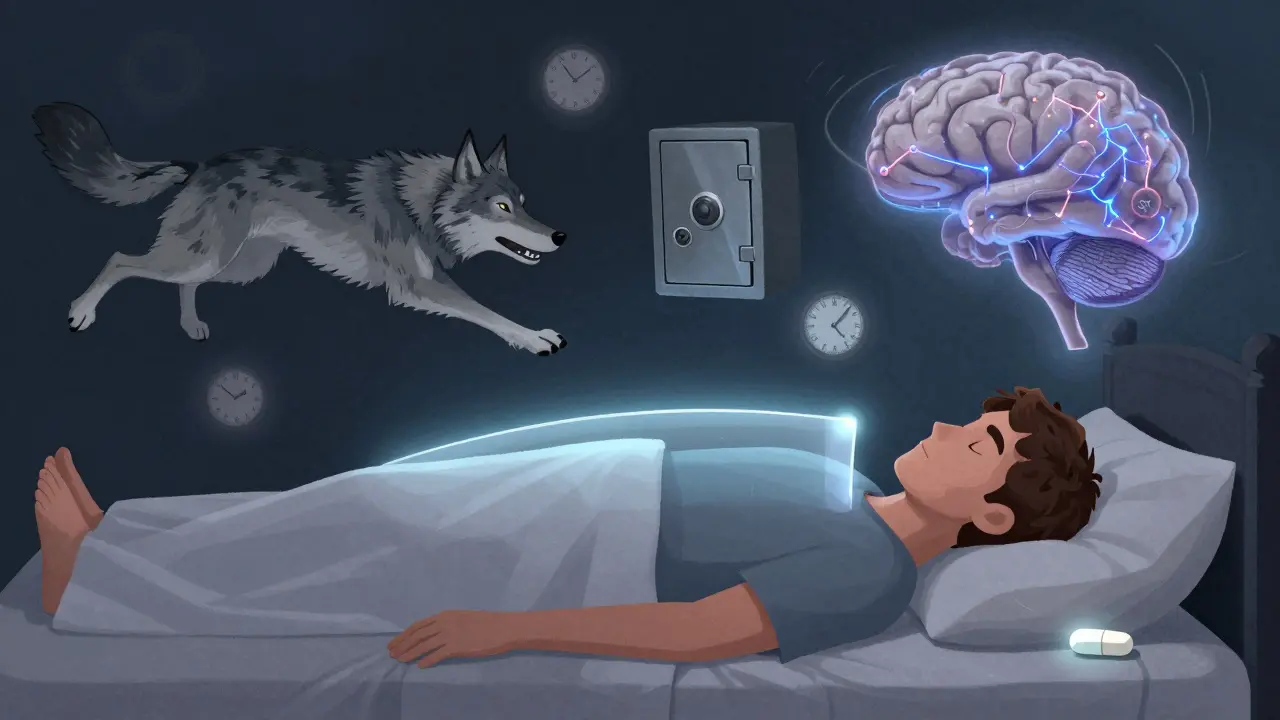

Have you been taking a statin and noticed you're tossing and turning at night? Or maybe your dreams have become so intense they feel like movies playing in your head? You're not alone. Thousands of people report sleep problems after starting statins - but the science is far from clear. Some studies say yes, statins can mess with your sleep. Others say no, it's all in your head. So what’s really going on?
Statins Are Everywhere - But So Are Sleep Complaints
Statins are among the most prescribed drugs in the world. Over 300 million prescriptions are filled every year, mostly to lower LDL cholesterol and reduce heart attack risk. They’ve saved countless lives. But along with their benefits, some people report strange side effects - especially when it comes to sleep. Insomnia. Nightmares. Vivid, unsettling dreams. These aren’t just random complaints. They show up in clinical trials, FDA reports, and online forums like Reddit’s r/Statins, where users share stories of waking up from dreams so real they thought they’d been robbed or chased by animals.
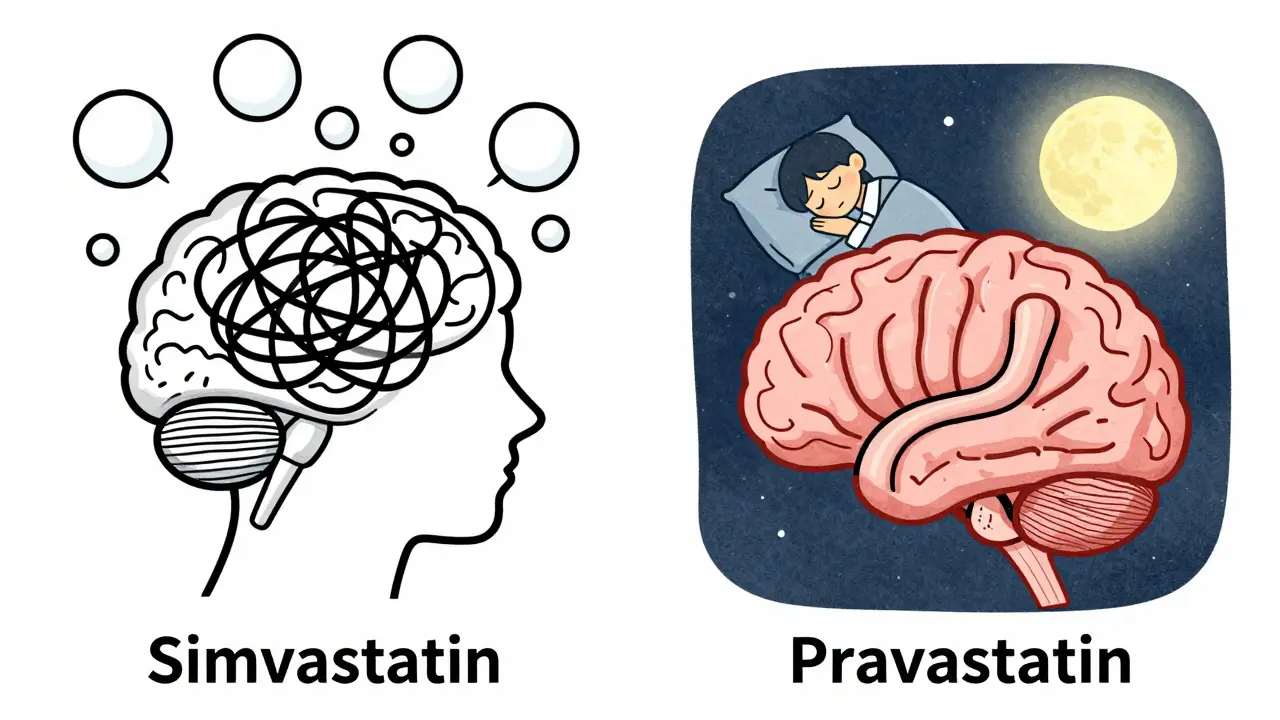
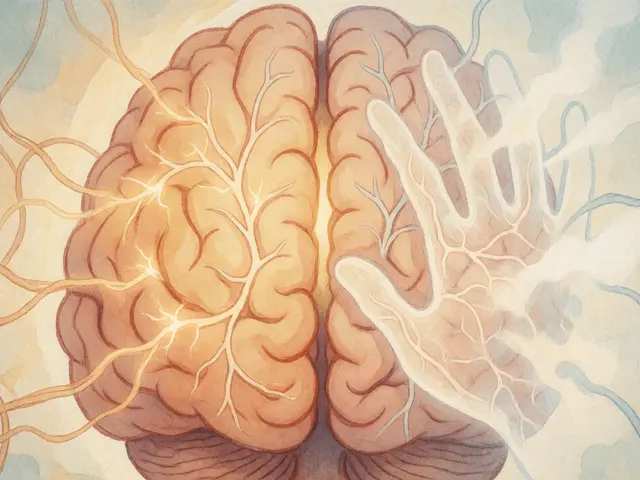
Here’s the twist: not all statins are the same. The difference might come down to chemistry. Statins fall into two main groups: lipophilic (fat-soluble) and hydrophilic (water-soluble). Lipophilic statins - like simvastatin, lovastatin, and atorvastatin - can cross the blood-brain barrier more easily. That means they might interfere with brain chemicals involved in sleep regulation. Hydrophilic statins - like pravastatin and rosuvastatin - mostly stay in the bloodstream. They’re less likely to reach the brain.
The Evidence Is Split - And Confusing
One major study in 2007 by Dr. Beatrice Golomb compared simvastatin, pravastatin, and placebo in over 1,000 people. The results? People on simvastatin reported significantly worse sleep quality than those on pravastatin or placebo. Their dreams were more vivid. They woke up more often. Pravastatin? No difference from placebo. That suggested the problem wasn’t statins in general - it was the type.
But then came another study in 2018, led by Professor Colin Baigent, tracking 10,000 people on atorvastatin versus placebo. Guess what? The statin group had fewer sleep disturbances than the placebo group. That’s right - fewer. The researchers concluded it was likely a nocebo effect: people expect side effects, so they notice them - even if the drug isn’t the cause.
Meanwhile, analysis of the FDA’s adverse event database showed simvastatin was linked to over twice as many sleep disturbance reports as other statins. Rosuvastatin? A moderate increase. Atorvastatin? No real signal. Pravastatin? Almost none. The pattern points to simvastatin as the biggest offender.
Why Do Some People Dream Like Crazy?
It’s not just about crossing the blood-brain barrier. Statins reduce cholesterol - and cholesterol plays a role in brain function, including the production of serotonin and melatonin, two key players in sleep. Lowering cholesterol too much might disrupt these systems. Some researchers think statins might also affect the REM (rapid eye movement) stage of sleep, where most vivid dreams happen. More REM = more intense dreams. That’s why people often report dreams becoming more vivid within weeks of starting a statin - not immediately, but after a few cycles of sleep.
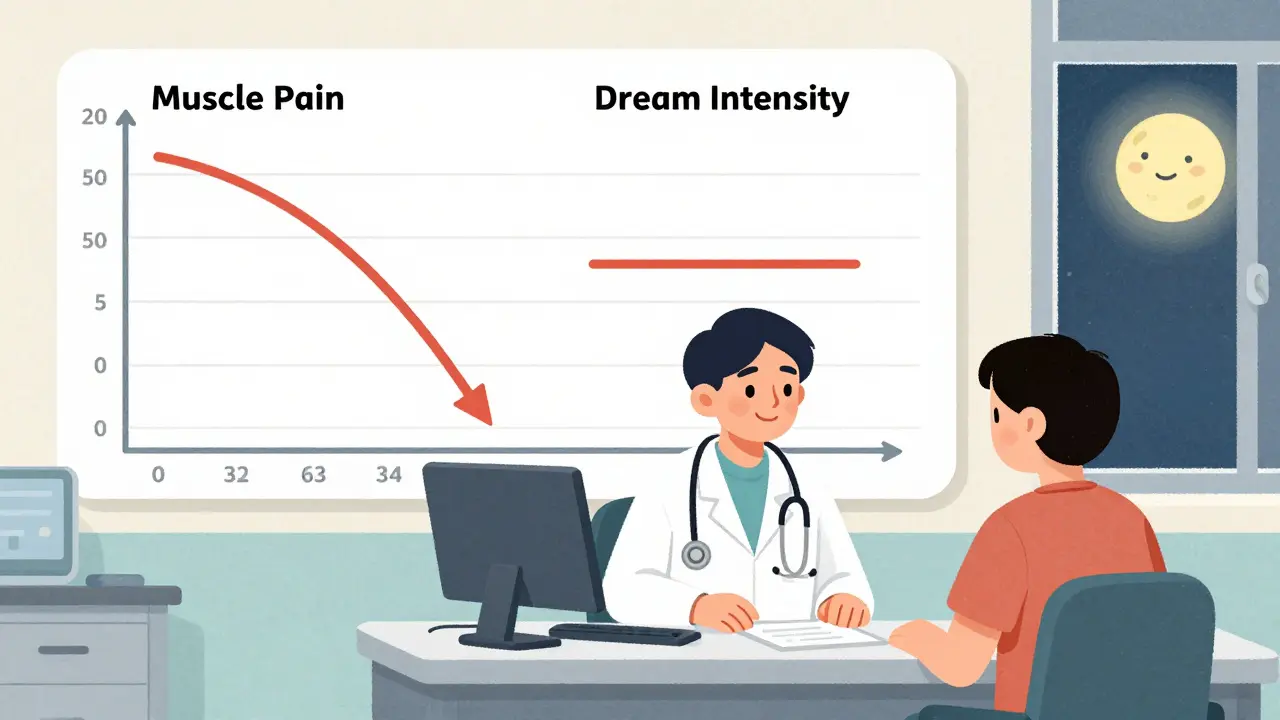
There’s another layer: muscle pain. A lot of people who take statins develop muscle aches - a condition called SAMS (statin-associated muscle symptoms). And guess what? Muscle pain at night makes it harder to fall asleep. It also causes more nighttime awakenings. So when someone says, “I can’t sleep because of my statin,” is it the drug messing with their brain… or their legs? Dr. L. Graves’ 2024 research found that when patients stopped statins due to muscle pain, their sleep quality improved - not because their dreams vanished, but because their pain did. Their sleep efficiency went up. They woke up less. Their daytime fatigue dropped. That’s huge.
What Does This Mean for You?
If you’re on a statin and having sleep trouble, don’t panic - but don’t ignore it either. Here’s what to consider:
- Which statin are you on? Simvastatin and lovastatin are the most likely to cause sleep issues. Atorvastatin? Less clear. Pravastatin and rosuvastatin? Much lower risk.
- When did the problem start? If your sleep changed within 2-4 weeks of starting the drug, it’s worth investigating.
- Are you also having muscle pain? If yes, your sleep issues might be secondary. Try addressing the pain first.
- Have you told your doctor? Many doctors assume sleep problems are stress-related. But if you mention it, they might test a switch.
Some people swear by switching statins. One Reddit user wrote: “Switched from atorvastatin to pravastatin. Crazy dreams stopped in 3 days.” Another said: “I’ve been on simvastatin for 5 years. No dreams. No problems.” Individual reactions vary wildly. Genetics, lifestyle, other medications - they all play a part.
What Can You Do?
Here’s a practical roadmap if sleep issues are bothering you:
- Track your sleep. Use a simple journal: note when you go to bed, wake up, dream intensity, and how rested you feel. Do this for 2 weeks.
- Don’t stop the statin on your own. Stopping without medical advice increases heart risk. Statins reduce major vascular events by 22% per 1 mmol/L drop in LDL.
- Ask your doctor about switching. If you’re on simvastatin or lovastatin, ask about switching to pravastatin or pitavastatin. Many patients report improvement.
- Try timing. Some people find taking their statin in the morning (instead of at night) helps - even though statins work best at night. It’s worth a trial.
- Consider CBT for insomnia. If your sleep is still off after switching statins, cognitive behavioral therapy (CBT-I) is proven to help. It’s not about pills - it’s about rewiring sleep habits.
The Bottom Line
Statins are life-saving. For most people, they don’t cause sleep problems. But for a subset - especially those on lipophilic statins like simvastatin - sleep disturbances are real. They’re not imaginary. They’re not just “in your head.” But they’re also not inevitable. The good news? If sleep issues are statin-related, they often go away within weeks of switching to a different statin or adjusting timing. And if muscle pain is the real culprit, fixing that often fixes sleep too.
The science isn’t settled. More research is coming. But right now, the clearest advice is this: if your sleep is suffering, talk to your doctor. Don’t suffer in silence. And don’t assume you have to choose between heart health and good sleep - you might not have to.
Can statins cause insomnia?
Yes, some statins - particularly lipophilic ones like simvastatin and lovastatin - have been linked to insomnia in certain individuals. Studies show these statins can cross the blood-brain barrier and potentially interfere with sleep-regulating chemicals. However, hydrophilic statins like pravastatin and rosuvastatin show little to no association with insomnia. Large trials also suggest that for many people, sleep issues are not caused by statins at all, but may be due to the nocebo effect or unrelated factors like stress.
Why do statins cause vivid dreams?
Vivid dreams may occur because certain statins increase REM sleep, the stage where most dreaming happens. Lipophilic statins like simvastatin can enter the brain and possibly alter serotonin or melatonin pathways involved in sleep cycles. Some people report dreams becoming more intense within weeks of starting the medication. However, not everyone experiences this - and many people on statins report no change in dream intensity. The effect seems to depend on the specific statin, dosage, and individual biology.
Which statin is least likely to affect sleep?
Pravastatin and pitavastatin are the least likely to affect sleep. Both are hydrophilic, meaning they don’t easily cross the blood-brain barrier. Studies show pravastatin has no significant difference in sleep quality compared to placebo. Pitavastatin also shows minimal association with sleep disturbances in adverse event reports. Atorvastatin, while moderately lipophilic, has conflicting data - some studies show no effect, others show slight risk. Simvastatin and lovastatin carry the highest risk.
Should I stop taking statins if I have sleep problems?
No - do not stop statins without talking to your doctor. Statins reduce your risk of heart attack and stroke by up to 22% for every 1 mmol/L drop in LDL cholesterol. Instead, discuss switching to a different statin, like pravastatin or rosuvastatin. In many cases, simply changing the medication resolves sleep issues without losing cardiovascular protection. Your doctor may also suggest adjusting the time you take the pill or ruling out other causes like stress or sleep apnea.
How long does it take for sleep to improve after switching statins?
Most people notice improvement in sleep quality within 2 to 4 weeks after switching to a different statin. Some report changes in dream intensity or sleep onset as early as 5-7 days. If muscle pain was contributing to poor sleep, improvements in pain often coincide with better sleep. However, if sleep problems persist beyond 4 weeks after switching, other causes should be explored - such as anxiety, caffeine use, or underlying sleep disorders like insomnia or sleep apnea.


Martin Halpin
27 Feb 2026 at 17:25Look, I get that the article tries to sound scientific, but let's be real - statins are just another Big Pharma scam wrapped in a lab coat. I was on simvastatin for three years and my dreams were so intense I started keeping a dream journal just to prove to myself I wasn't losing my mind. One night I dreamed I was a penguin in a corporate boardroom. That's not normal. And don't give me that 'nocebo effect' nonsense - if it were all in my head, why did it vanish the second I switched to pravastatin? Coincidence? Nah. They're poisoning our REM cycles and nobody wants to admit it because statins make too much money. The FDA database doesn't lie - simvastatin has double the reports. That's not a fluke. That's a pattern. And now they're pushing rosuvastatin like it's holy water? Same chemical family. Same blood-brain barrier penetration. Just a rebrand. Wake up.